Researchers from the University of Washington have found that changes in acidity at the site of infection can dramatically increase the resistance of the bacterium Klebsiella pneumoniae to antibiotics. The results of the work are published in the scientific journal mBio.
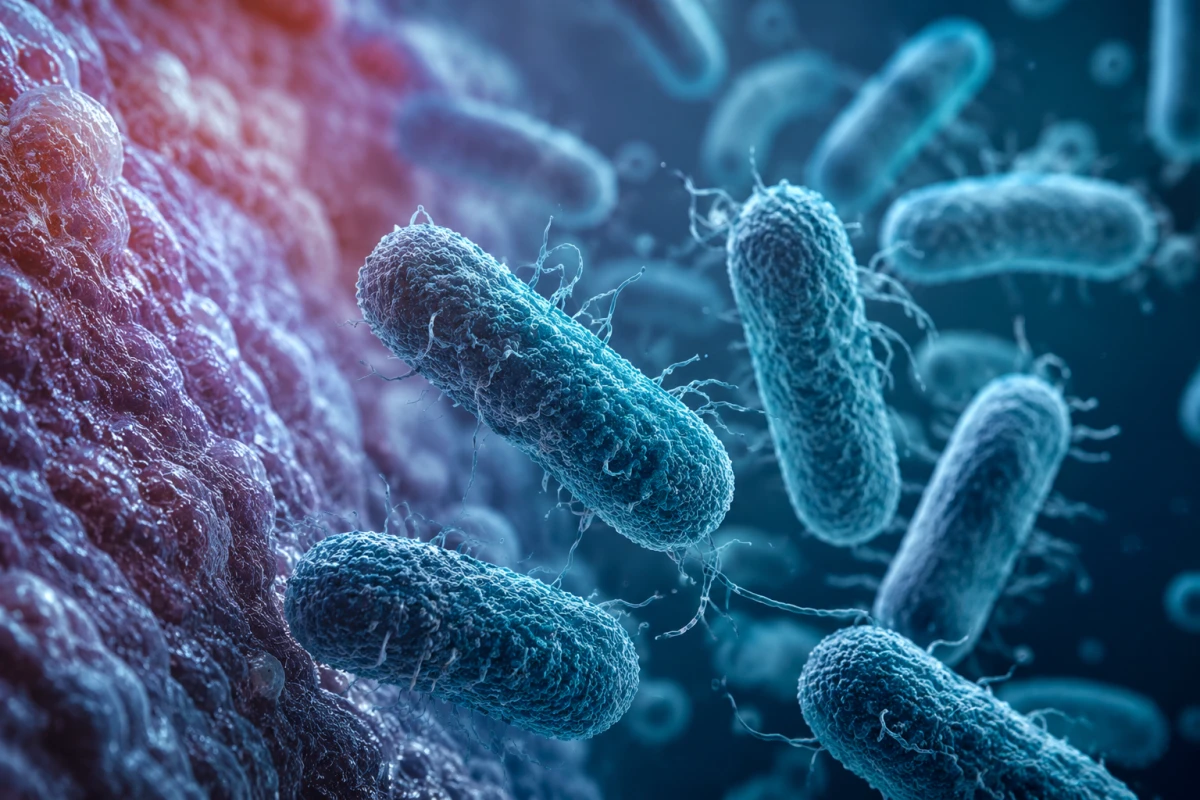
When the effectiveness of an antibiotic is tested in a laboratory, it is done under controlled conditions. But when an infection develops in a human body, things are not so smooth. A new study from Levin's laboratory at the University of Washington has shown that even a slight change in acidity can alter the response of bacteria to treatment. The results are published in mBio. The study focuses on the bacterium Klebsiella pneumoniae — one of the leading causes of fatal infections and one of the most antibiotic-resistant pathogens in the world.
The aim of the study is to determine what happens to antibiotic resistance when Klebsiella pneumoniae grows in a mildly acidic environment, as in some parts of the human body during an active infection. It was found that at pH 5, the bacterium becomes 64 times more resistant to beta-lactam antibiotics — the most common treatment for infections.
Beta-lactams inhibit the activity of proteins involved in building the bacterial cell wall, known as cell wall proteins. Without them, the bacterium cannot properly form its cell wall or divide, ultimately leading to its death. However, in addition to the cell wall proteins produced at neutral pH, K. pneumoniae apparently has a backup group of proteins ready to take over when pH decreases.
Moreover, another redundant cell wall synthesis protein, PBP1b, was found, whose activity appears to be important for the response to stress during growth at low pH levels. These results suggest that redundant proteins help bacteria survive antibiotic treatment in acidic environments.
In the future, Levin's laboratory plans to expand the range of conditions under which they conduct antibiotic susceptibility screening, not limited to changes in pH. The ultimate goal is to find compounds or therapeutic agents that can be used alongside current antibiotics to more effectively combat infections in conditions that mimic natural environments.
The study shows that bacterial resistance to antibiotics depends not only on the drugs themselves but also on the conditions within the human body. The discovery of the "backup defense" mechanism in Klebsiella pneumoniae could be an important step in the fight against infections that are increasingly resistant to traditional treatments.