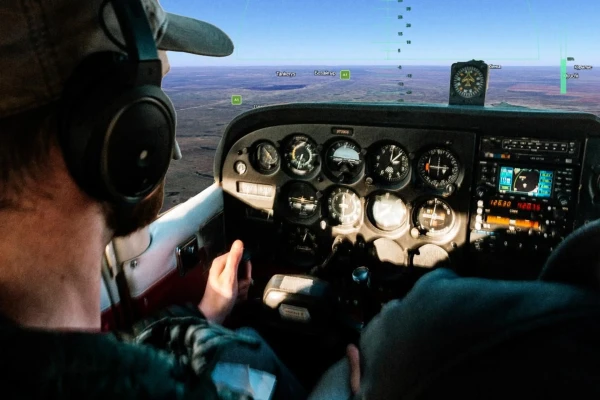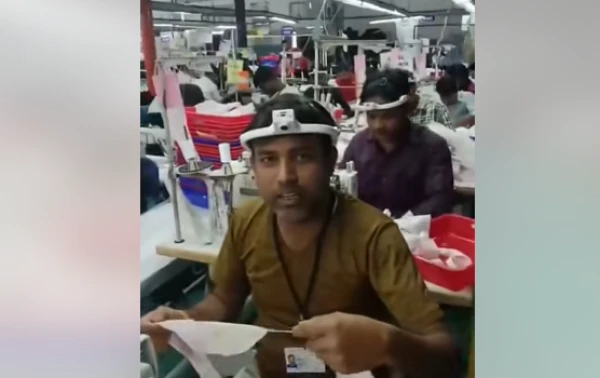
An astonishing and alarming picture is unfolding in Indian garment factories: thousands of workers, with cameras attached to their heads, methodically record their movements. This footage becomes training data for humanoid robots, sparking heated discussions about the future of labor and the paradox of self-replacement.
In recent weeks, social media has literally exploded with videos coming from the Indian garment factories of Tiruppur and Bangalore. The footage shows rows of workers toiling over their machines, with miniature cameras attached to their foreheads. These videos, demonstrating the clothing manufacturing process, have rapidly gone viral.
Posts accompanied by the hashtag "they're training their own replacement" have garnered millions of views on X and Instagram since April 12. The footage is intended to form datasets used in training humanoid robots. This is no longer just a futuristic fantasy but part of a multibillion-dollar market.
Robots Learn from Humans
The robot training market is actively developing thanks to giants like Tesla, Figure AI, and Agility Robotics. Behind this large-scale business are numerous intermediaries. The largest player in this field is the startup Micro1 from Palo Alto.
As of April, Micro1 has hired about 4,000 "robot generalists" in 71 countries around the world. These specialists provide over 160,000 hours of video footage monthly.
Workers use iPhones with LiDAR, attaching them to their heads. They record about 10 hours of video each week, capturing their everyday activities. The footage includes processes like cooking, washing dishes, doing laundry, or caring for plants. Similar services are provided by Micro1's competitors, such as Scale AI, Remotasks, and Objectways.
The Cost of Labor and the Replacement Paradox
Payment for this unique labor varies significantly depending on the region. In the U.S., workers earn about $15 per hour, while in Vietnam and India, this amount is significantly lower—approximately three times less. In Indian textile hubs, according to the Free Press Journal, workers earn $230–250 per full shift per month, which is about 19,000–21,000 rupees.
Discussing this situation, users on X often mention the economic irony. One commenter aptly noted, "They are digging their own graves." Another expressed even more bluntly: "It's like asking for instructions for someone who will replace you."
Insatiable Demand for Data
Arian Sadeghi, Vice President of Robotics Data at Micro1, explained the necessity of such data in an interview with CNN Business. He emphasized that they will be needed "literally for every environment"—from factory floors to nursing homes, as movements are unique and diverse everywhere. The main question in this scheme remains privacy.
Micro1 asks its workers not to show their faces or mention names on camera. The videos are then processed through AI filters and reviewed by human reviewers. However, even with such precautions, interiors of homes, personal belongings, and even relatives often appear in the footage.
For instance, one of the subjects in the MIT Technology Review material, Indian Arjun, has his two-year-old daughter constantly trying to get into the frame. Professor Yasmin Kotturi from the University of Maryland expresses concern that workers do not always understand to whom their data is being transferred. Micro1 cites privacy, not disclosing specific clients or their purposes.
The Future of Labor and Ethical Dilemmas
Sadeghi acknowledges that the collected data is currently catastrophically insufficient, and "billions of hours are probably needed." This insatiability of the market turns local stories into a systemic narrative of global scale. Analysts estimate that the data collection and labeling segment grows by about 30% annually.
By 2030, this market is expected to reach at least $10 billion, with significant growth anticipated in Asia. Against this backdrop, the first ideas about the so-called "data dividend" are already emerging. Economists propose paying workers royalties every time a robot performs actions based on their movements.
In India, alongside the development of this industry, a serious legal gap is emerging. The biometrics of movements and facial expressions are still not regulated by local legislation. The situation is such that a country that has clothed the world for decades is now supplying data for robots that may one day completely close these garment factories.