
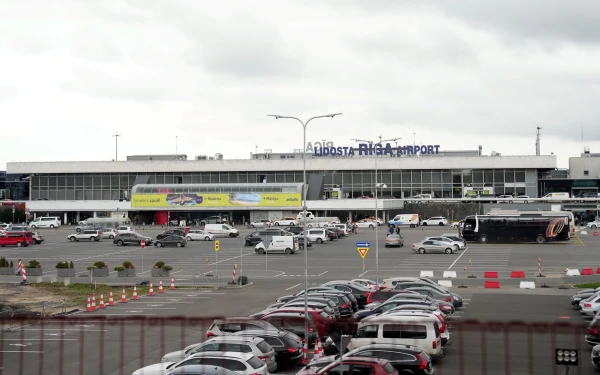
Strategic jet fuel reserves in Europe may prove insufficient to support flights during the height of summer in several regions, Corriere della Sera reports, citing sources among jet fuel suppliers and airlines in the European Union.
Five Tons per Plane
The article notes that the situation with kerosene is more critical than previously reported. Currently, only two countries have emergency kerosene reserves for 90 days, while most will not be able to withstand a crisis lasting more than 30 days, and some have reserves for only 8–10 days.
The publication was able to review correspondence between suppliers and airlines: some airports are discussing limiting the maximum offloading to 5 tons per plane, as well as the inability to refuel private jets in favor of prioritizing deliveries for regular flights.
Europe imports 43% of its aviation fuel through the Persian Gulf. Due to the ban on oil tanker passage in the region, the continent is facing a sharp reduction in volumes ahead of the peak travel season.
All Hope on the USA
Corriere reports that the situation is further complicated by the fact that refineries in Europe are already operating at full capacity and the continent has no ability to increase production quotas. Sources from the publication fear that if vessels do not start arriving from the Persian Gulf in May, the first step may be to draw fuel from strategic reserves, followed by a halt in kerosene supplies at airports in some countries.
Currently, the Middle East is unable to supply Europe with kerosene, and Asia, despite its vast refining capacities, is keeping production within its own countries. In this case, the only alternative for Europe is the USA. "But we need to find out at what price and under what conditions," sources from Corriere emphasize.
On April 8, the head of the International Energy Agency (IEA), Fatih Birol, stated that the global energy crisis will have long-term consequences. "The crisis caused by the blockade of the Strait of Hormuz is larger than all three previous crises (the oil crises of 1973, 1979, and 2022) combined," he said.













Leave a comment