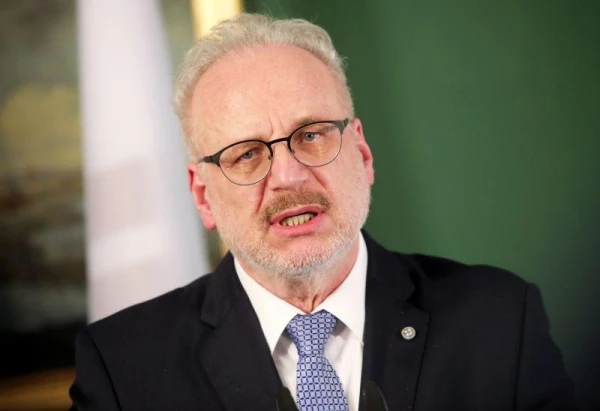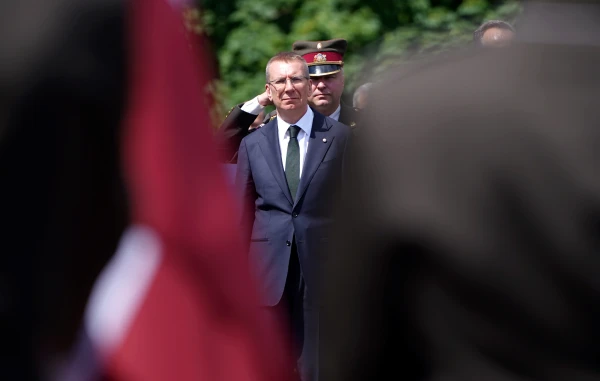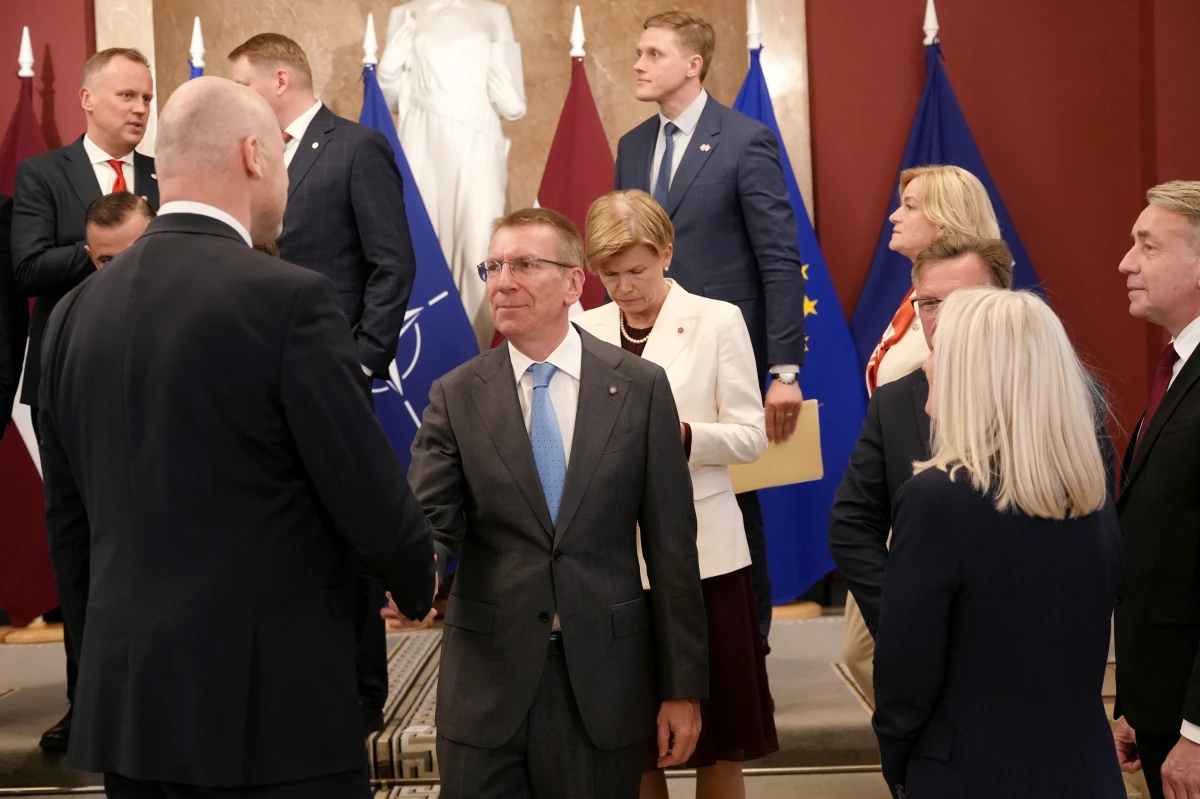
The new government led by Andris Kulbergs will have to work in the context of an election campaign, where reaching an agreement among four parties will be particularly difficult. This was stated by the President of Latvia, Edgars Rinkevics, warning that quick solutions should not be expected.
The President of Latvia, Edgars Rinkevics, believes that the work of the new ruling coalition will be accompanied by active discussions and disagreements. According to him, the pre-election period traditionally complicates the search for compromises among the political forces within the government.
In an interview with Latvian Television, the head of state noted that he does not rule out a large number of disputes within the coalition formed by four parties under the leadership of the new Prime Minister Andris Kulbergs.
Explaining his decision to support Kulbergs' candidacy for the head of government, the president emphasized that he considered it important to entrust the responsibility for leading the country to a party that had previously been in opposition.
According to Rinkevics, he sees in Kulbergs the qualities necessary for such work—energy and high productivity.
The president separately commented on the situation surrounding the Ministry of Agriculture, which is retained by the Union of Greens and Farmers. Rinkevics did not provide a political assessment of the fact that the party continues to lead the agency after the start of the so-called "lumberjack case." In his opinion, political responsibility in such cases is determined by voters, while legal assessments should be made by law enforcement agencies and investigations.
One of the key tasks of the new government, the president named security issues. At the same time, he indicated that achieving quick solutions in many areas will be challenging due to the need to coordinate positions within the coalition.
What is important to understand is that the new government begins its work during the election preparation period, when each party seeks to emphasize its own position. This may make the decision-making process slower and more conflictual.
Speaking about external threats, Rinkevics emphasized that Latvia must remain prepared for possible provocations, sabotage, and other hostile actions from Russia. At the same time, the president noted that at the moment there are no signs that Russia is preparing for a full-scale invasion of any other country.
Thus, the main challenges for the new government in the coming months will be finding compromises within the coalition and making decisions on security issues in a complex international environment.