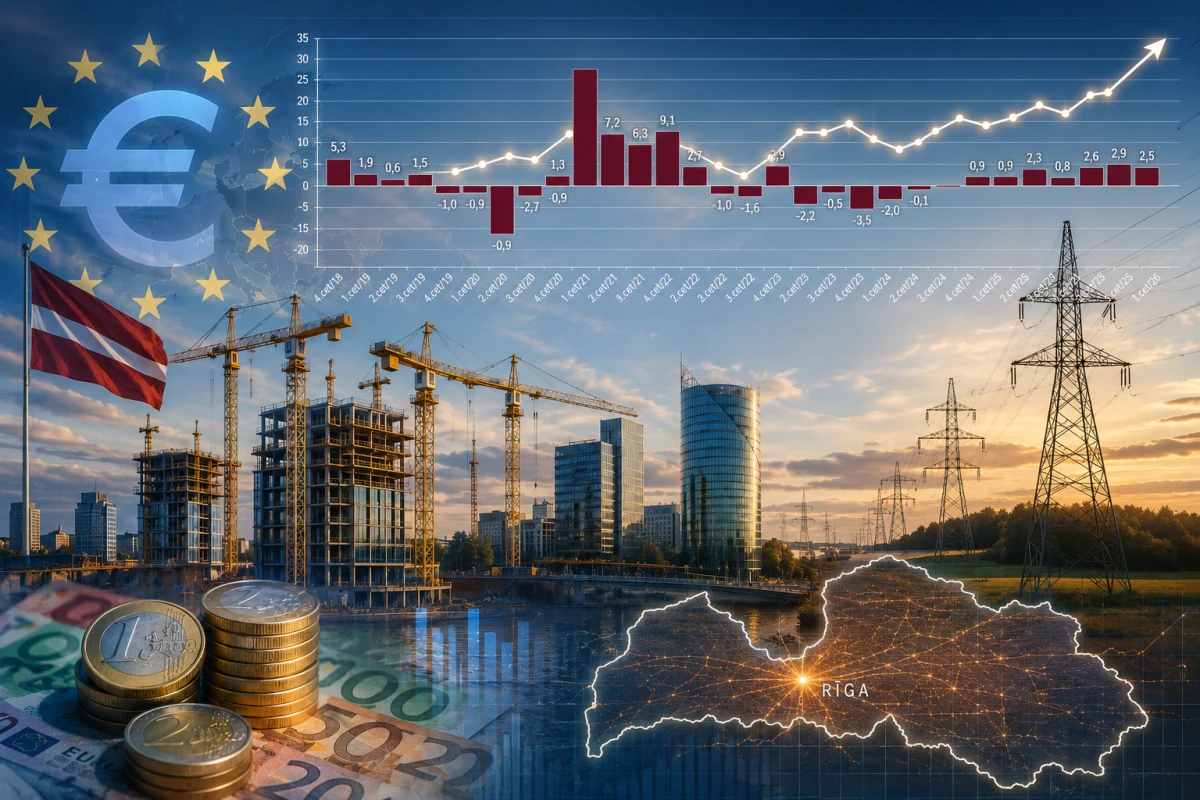
Latvia's economy showed confident growth at the beginning of 2026. The country's GDP increased by 2.5%, with the main sources of growth being energy, trade, construction, and investment. However, not all sectors are performing equally well — transport, forestry, and part of the service sector continue to lose ground.
In the first quarter of 2026, Latvia's gross domestic product grew by 2.5% compared to the same period last year. This is evidenced by data from the Central Statistical Bureau.
Compared to the last quarter of 2025, the economy also demonstrated growth — by 0.6%. In monetary terms, the GDP volume reached nearly 9.9 billion euros.
One of the main drivers of growth was the energy sector. The added value in the electricity, gas, and heat supply sector increased by as much as 41.6%. Such an impressive result is largely related to the colder winter, which increased demand for heating and energy resources in January and February.
Other sectors also showed good results. In construction, growth was 2.8%, while in trade it was even higher. Retail trade grew by 6.6%, and wholesale by 6%.
Investment growth continued. Capital investments increased by 3.2%, with businesses investing more in both construction and equipment.
Positive dynamics were also observed in the labor market. The total wage fund grew by 5.5%, and wages increased by 5.7%. Salaries grew particularly quickly in the financial sector, construction, and professional services.
What is important to know: the current economic growth is based not on one sector, but on several areas — consumption, investment, and exports. This makes the structure of growth more sustainable compared to periods when the economy depended on individual sectors.
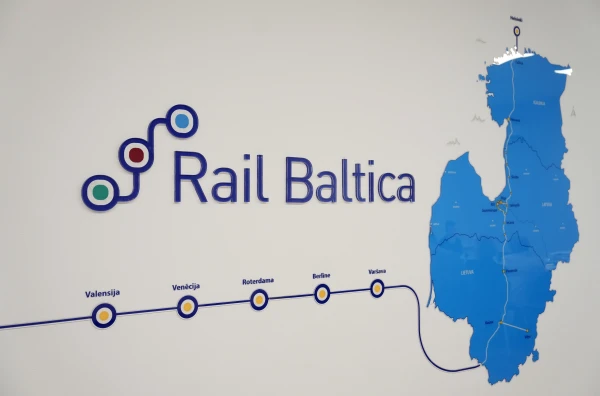
At the same time, part of the economy continues to face difficulties. One of the weak links remains the transport sector. The added value in transport and warehousing has decreased, continuing the trend of recent years.
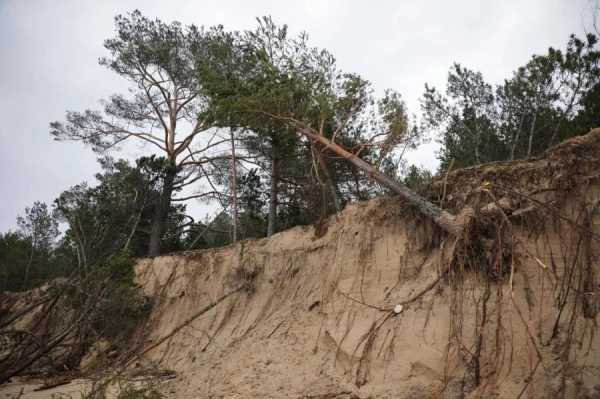
Negative dynamics are also present in forestry. The added value in logging decreased by 4.5%, and the production of wood and wood products fell by 2.5%.
A significant decline was also recorded in beverage production — by as much as 32.8%. Among the service sectors, the indicators for the hospitality industry and catering, as well as the information and communication sector, have decreased.
On the demand side, the main source of growth remains the residents of the country. Household expenditures increased by 2%, with particularly noticeable increases in spending on transport, housing, heating, and utilities.
Exports of goods and services also continued to grow, although the pace was moderate — 1.4%. At the same time, imports increased faster than exports, reflecting sustained domestic demand from businesses and households.
Economists traditionally consider GDP growth above 2% as an indicator of sufficiently confident economic development. After several years of instability and weak growth, the data from the first quarter may indicate a gradual recovery of business activity in the country.
However, further dynamics will depend on the situation in export markets, the cost of energy resources, and the overall economic situation in Europe.