
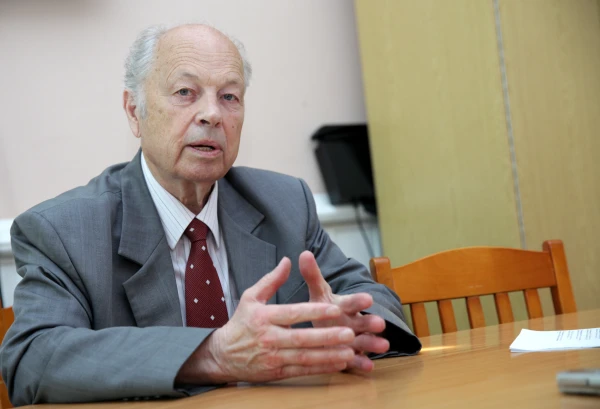
Many journalists and political observers were quick to note that Alexey Roslikov became the first sitting deputy to flee the country, fearing arrest, and, under certain circumstances, may apparently seek political asylum in Belarus.
It should be noted that in recent history, Latvian deputies, even those from local governments, have not emigrated. So, in this sense, the former leader of "Stability!" has already inscribed his name in history.
Wanted
However, if Roslikov were to return and end up in prison (let's recall that the court changed his preventive measure from a travel ban to detention), he would not create a precedent, as current public servants have repeatedly found themselves behind bars.
Contrary to the common belief that politicians here are almost untouchable.
Elected Straight from Prison
If we look back to the early 90s, the most notorious case of a public servant being sent to prison is associated with Alfred Rubiks. He ended up in a penal facility while still being a deputy of the Supreme Council, and he was elected to the 5th Saeima during the time he was in custody. Subsequently, after the sentence came into effect, he was stripped of his deputy mandate.
Almost 20 years ago, in 2007, Juris Hlevickis, a deputy of the Jūrmala City Council, was convicted by the court of the second instance and immediately taken into custody. He was accused of attempting to bribe another deputy to elect him, Hlevickis, as the mayor of the resort city.
Interestingly, before this corruption scandal, which occurred immediately after the elections in the summer of 2005, Hlevickis was the mayor of Jūrmala.
From the Saeima to the Cell
In the previous Saeima, the detention of sitting parliamentarian Janis Adamsons on suspicion of collaborating with Russian intelligence services, i.e., treason, became a sensation. The parliament, of course, voted to strip him of his parliamentary immunity.
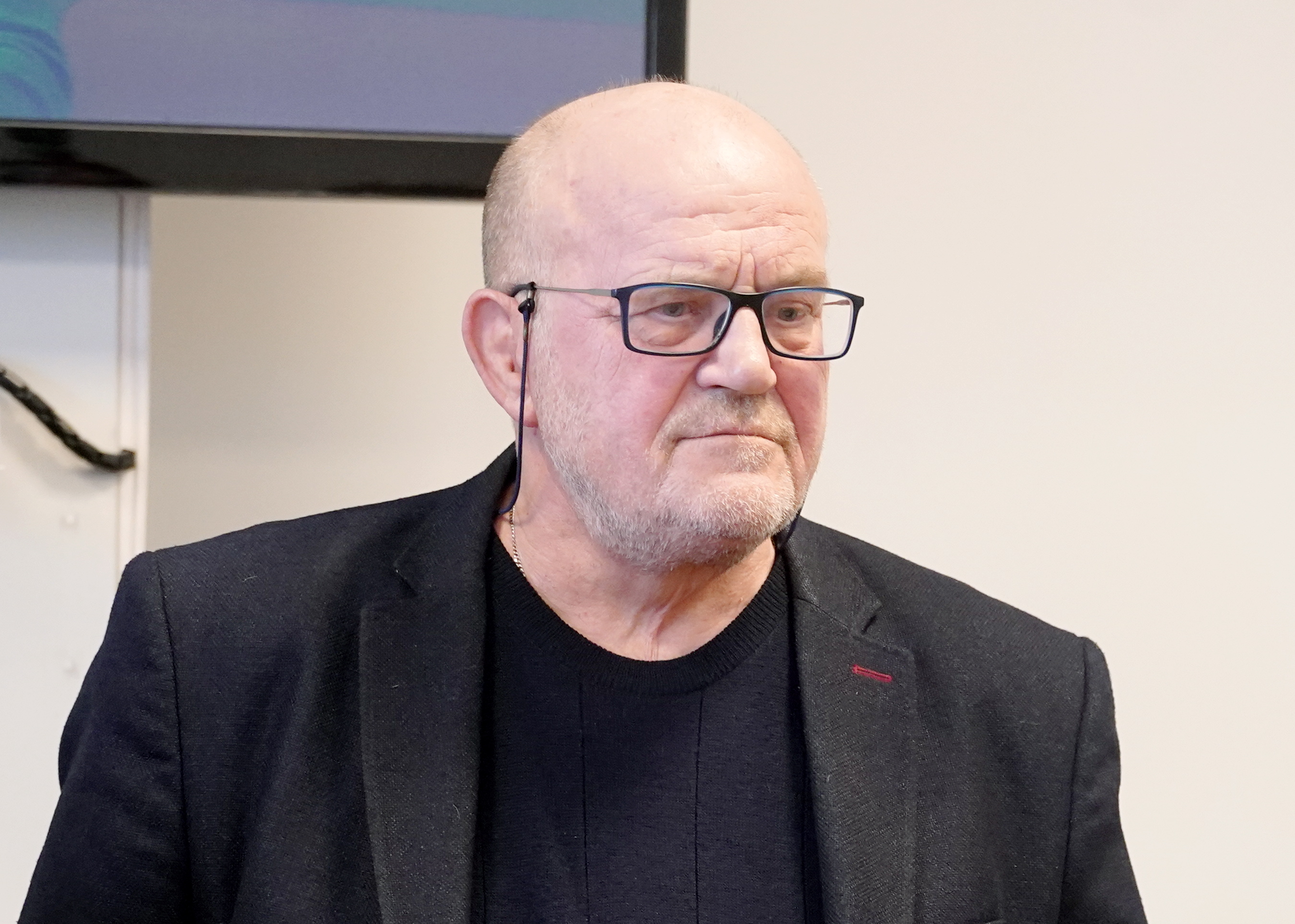
Janis Adamsons.
In recent Latvian history, there have also been episodes when public servants were arrested for a short period and then had their preventive measures changed. For instance, in June 2018, Artuss Kaimiņš was arrested right after leaving the plenary session hall — prior to that, the Saeima voted to grant law enforcement the right to all necessary procedural actions concerning Kaimiņš. At that time, KNAB suspected him of organizing illegal financing for the party he led. Ultimately, it all boiled down to a criminal case regarding accounting violations.
Formerly in Hiding
Returning to the issue of escapes, it is worth recalling that two well-known former politicians — Andrei Mamykins and Ruslan Pankratov — fled to Russia already as former politicians: the ex-MEP and the ex-deputy of the Riga City Council, respectively.
Another former deputy of the capital's municipality, Igor Kuzmuk, was placed in custody right in the Riga District Court — he is currently awaiting his fate from the Senate of the Supreme Court. He is accused under the article on supporting terrorism — he ran a Telegram channel where he republished various news about the war in Ukraine.
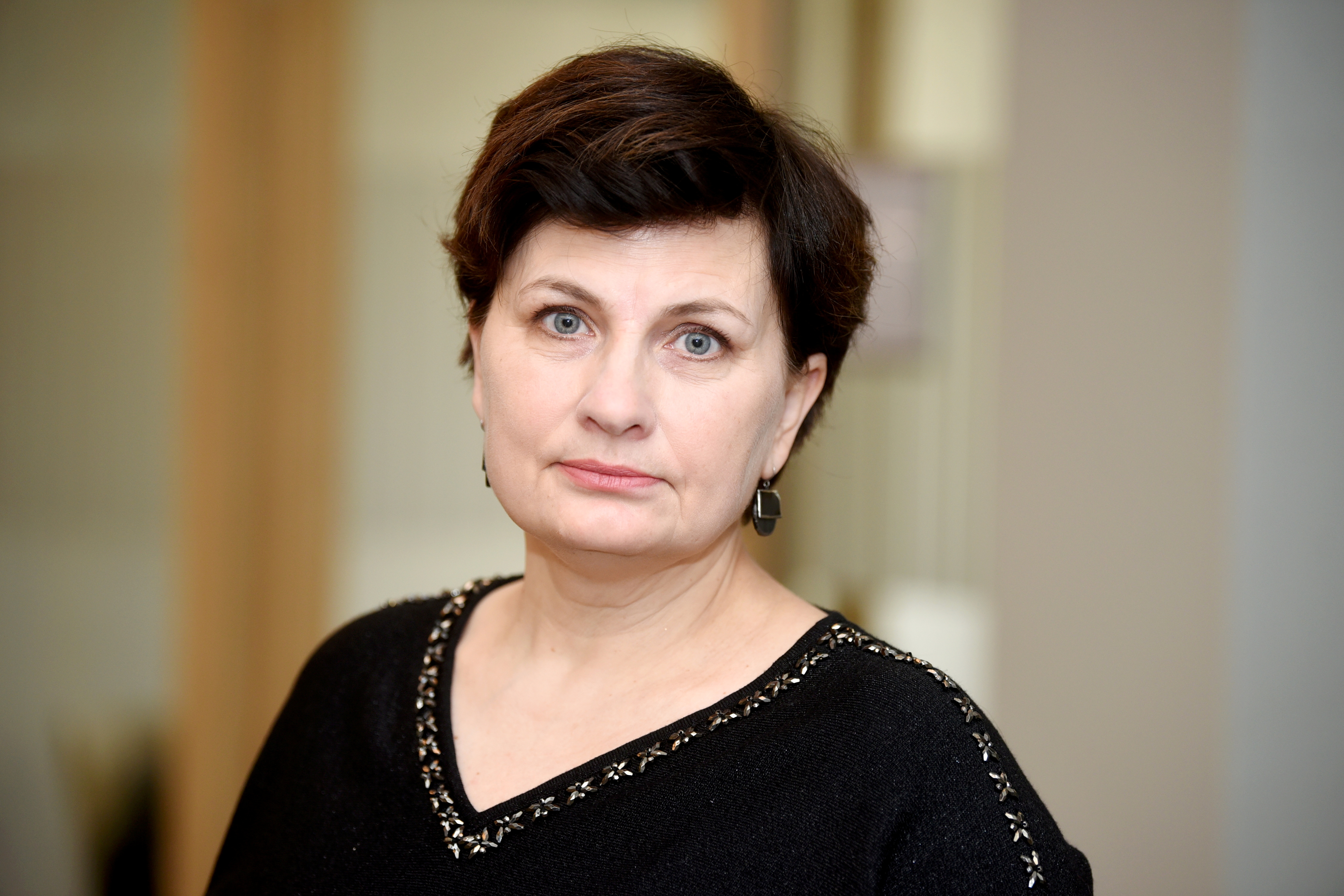
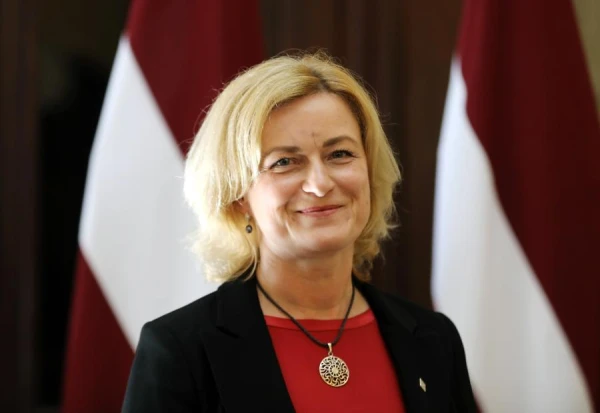
Ilze Vinkele.
Convicted and Stripped of Mandate
It should be noted that most often deputies are not sent to prison before a trial, or they manage to get away with a fine and a suspended sentence.
Thus, in this Saeima, Gloria Grevcova lost her mandate after the sentence came into effect — the prosecution managed to prove that she provided false information about herself. The investigation into the case of denying the occupation is still ongoing, by the way.
Also, in the 12th Saeima, in 2018, without waiting for a court verdict, deputy Askolds Kļaviņš resigned his deputy mandate and announced his departure from politics after being accused of illegally receiving transportation compensation. Prior to this, the Saeima approved a search of Kļaviņš's home, office, and car.
It should be noted that even if a Saeima or local government deputy is under investigation and the court or prosecutor's office has not prohibited him from performing his duties, he can continue to serve as a public servant — of course, unless he is under arrest. A deputy loses his parliamentary powers if a guilty verdict comes into effect.
If a deputy, for example, from a local government ends up behind bars even before the verdict comes into effect, he may be stripped of his parliamentary powers earlier — in the case of not attending three consecutive council meetings.
Returning to the fate of Alexey Roslikov, it can be assumed that since the mayor's decision prohibits him from participating in meetings remotely, it can be assumed that if the preventive measure — arrest — is not changed, then somewhere in June, the Minister of Smart Administration and Regional Development, at the initiative of the Riga City Council, may strip Roslikov of his mandate.
Can They Return?
Can politicians with a criminal record eventually return to the political scene and run for deputy?
Yes, but on the condition that the conviction has been expunged (removed), or the convicted politician has been pardoned. However, even with an expunged conviction, one cannot run for office if the person was convicted of particularly serious crimes against humanity, war crimes, genocide, or against the state, as well as crimes related to terrorism.
Individuals who were members of the Interfront, were activists of the campaign, or worked in the KGB and other Soviet intelligence services as of January 1991 are also barred from running for the Saeima, local governments, and the European Parliament.
Fully Acquitted
In recent history, there is also the case of the former minister Ilze Vinkele being brought to criminal responsibility. She was accused of failing to fulfill her official duties during the pandemic — vaccines were not ordered in time. But she was ultimately acquitted by all judicial instances.
The courts also fully acquitted MEP Nils Ušakovs, who was allegedly accused of illegally installing a listening device during his tenure as the mayor of Riga — in the mayor's office.
The criminal proceedings on various charges continue against two former MEPs — Tatjana Ždanoka and Andris Ameriks.
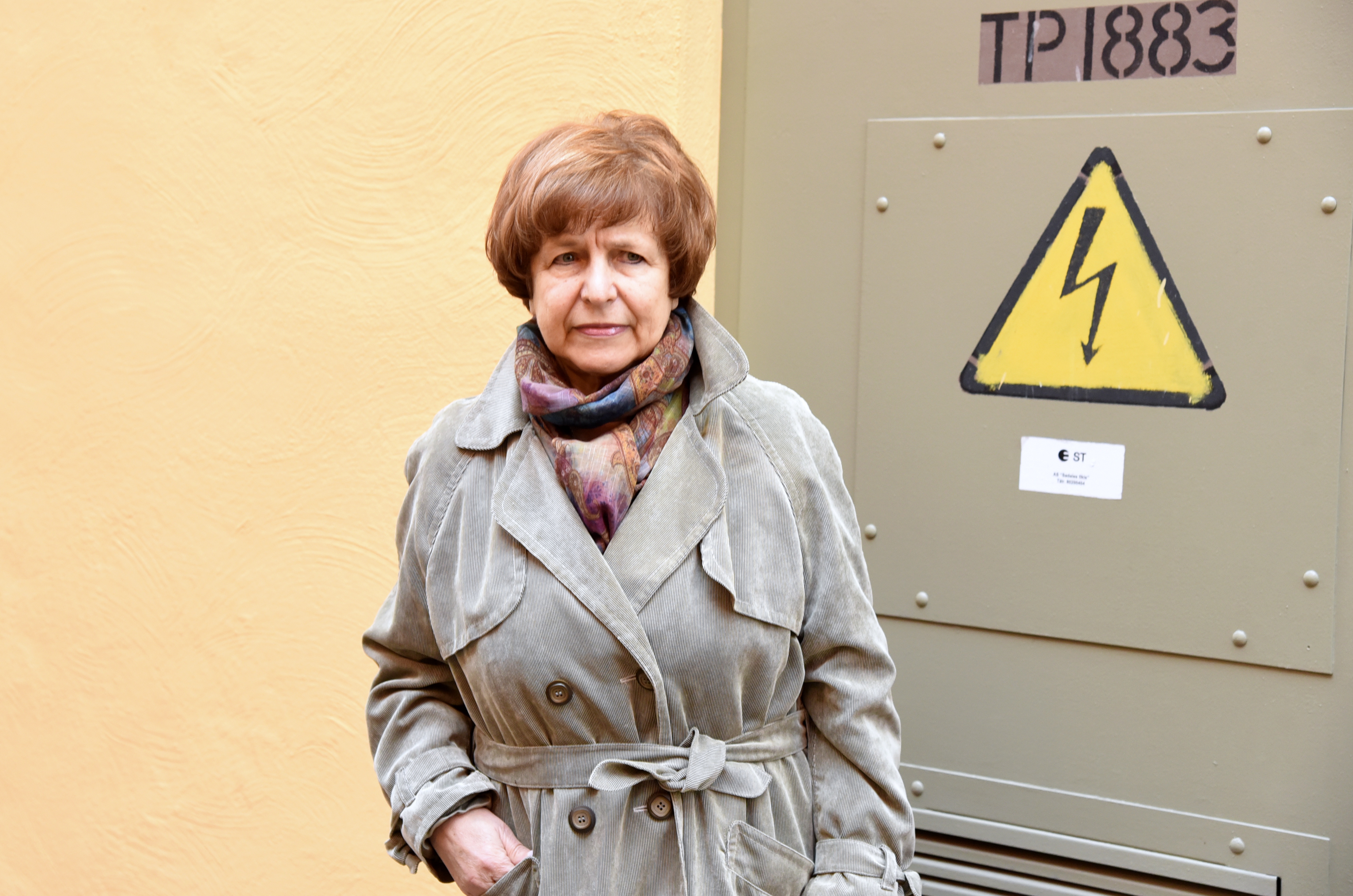
Tatjana Ždanoka.









Leave a comment