
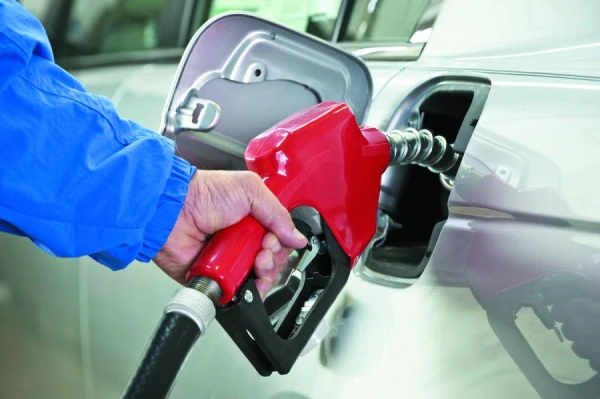
Reducing the value-added tax (VAT) rate on fuel would contradict the rules of the European Union (EU), the Ministry of Finance told the LETA agency.
The ministry believes that discussions about reducing the VAT rate on fuel are currently more akin to political rhetoric, as in practice Latvia will not be able to take such a step without contradicting EU rules.
The Ministry of Finance explained that VAT is a harmonized tax in the EU and its application is regulated by the VAT Directive, which does not provide for the possibility of reducing the VAT rate on fuel. This means that Latvia's ability to curb fuel price increases in this way does not solely depend on a political decision by the government or the Saeima.
The VAT Directive requires member states to apply a standard VAT rate to all goods and services. Reduced VAT rates can only be applied to certain clearly defined categories of goods and services. These include, for example, food, medicines, passenger transport, books, and, in certain cases, some types of energy carriers. However, fuel for vehicles is not included in this list, which means that member states have no legal grounds to apply a reduced VAT rate to gasoline, diesel fuel, or other types of transport fuel.
The Ministry of Finance notes that Poland and Spain have temporarily introduced a reduced VAT rate on fuel in response to a sharp rise in prices; however, the European Commission has already publicly indicated that such decisions do not comply with the existing directive.
Economy Minister Viktor Valainis stated that the Ministry of Economy is actively working in close cooperation with other ministries and industry representatives to mitigate the impact of the Middle Eastern conflict on the Latvian economy. The goal is to respond promptly to fluctuations in energy prices and market uncertainty while providing support to the population and maintaining the competitiveness of enterprises.













Leave a comment