"New" nationalists have begun to introduce their election program to the public.
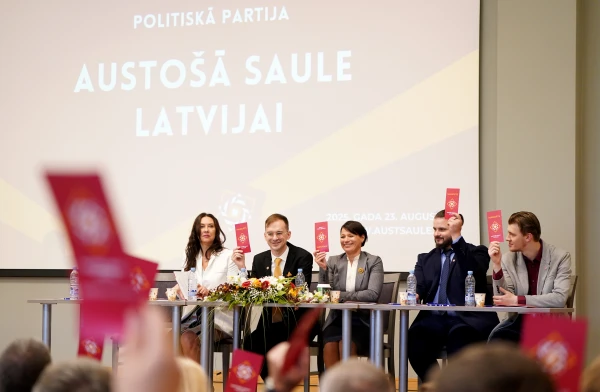
The newly established party Austošā saule ("Rising Sun"), which is vying for a portion of the National Union's electorate, has unveiled its election program. Competition on the far-right flank is quite fierce, so a newcomer to the political scene needs to propose even more radical measures than its competitors. And in this sense, Austošā saule has indeed "completed the task"! Judge for yourself.
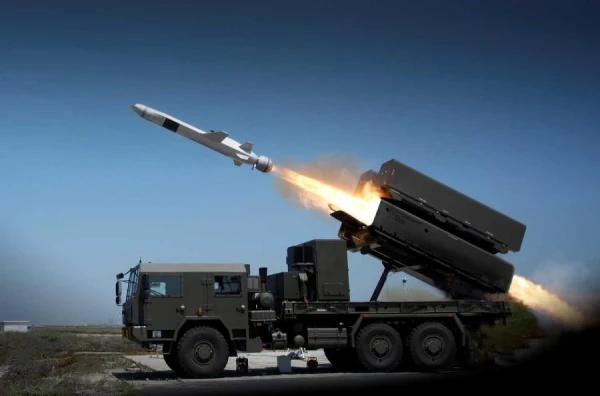
"The most immediate threat to the existence of Latvia and the Latvian people remains Russian imperialism," the founders of the new party state, promising that, if they come to power, they will seriously prepare for possible aggression from Russia.
Thus, the party advocates for the establishment of a "joint defense line for the Baltic states on the eastern border, including anti-tank ditches and minefields that ensure the slowing down and delay of the enemy's movement."
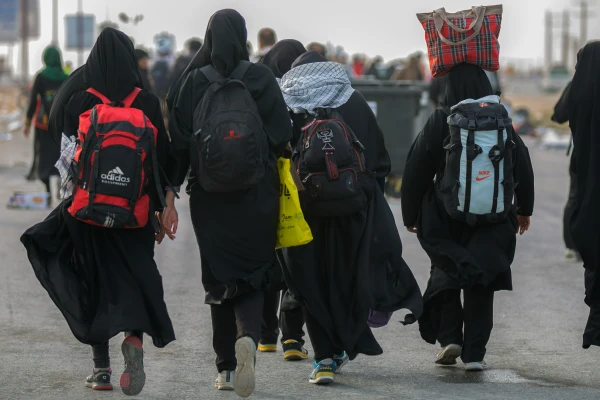
But, of course, special attention in the program is given to the Russian-speaking population.
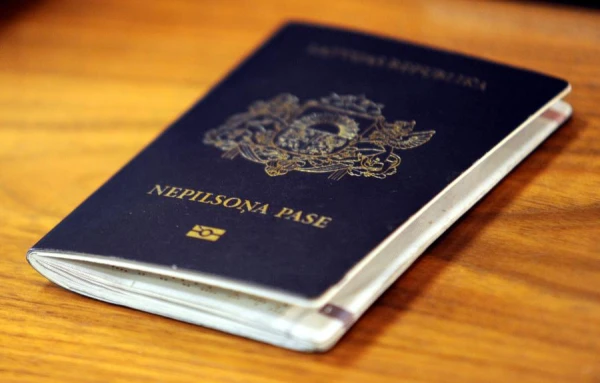
Thus, the nationalists promise to "set a deadline for the cessation of non-citizen status in Latvia, while simultaneously assessing the possibilities of applying the 1949 Geneva Conventions in the context of de-occupation, and facilitating the repatriation of disloyal immigrants of Soviet origin to Russia." In translation, this means that those who do not undergo the naturalization process by a certain deadline, passing exams, may be asked to leave with their belongings.
In addition, Austošā saule wants to demand "reparations from Russia for the consequences of the occupation, applying, in case of refusal, a reparations tax on enterprises in Latvia owned by citizens of Russia."
The party threatens to "cease issuing residence permits to citizens of Russia and Belarus, as well as to stop granting Latvian citizenship to these individuals."
And to ensure that democracy finally prevails in Latvia, the nationalists intend to introduce criminal liability for "diminishing the significance of the Latvian language in the public space."