
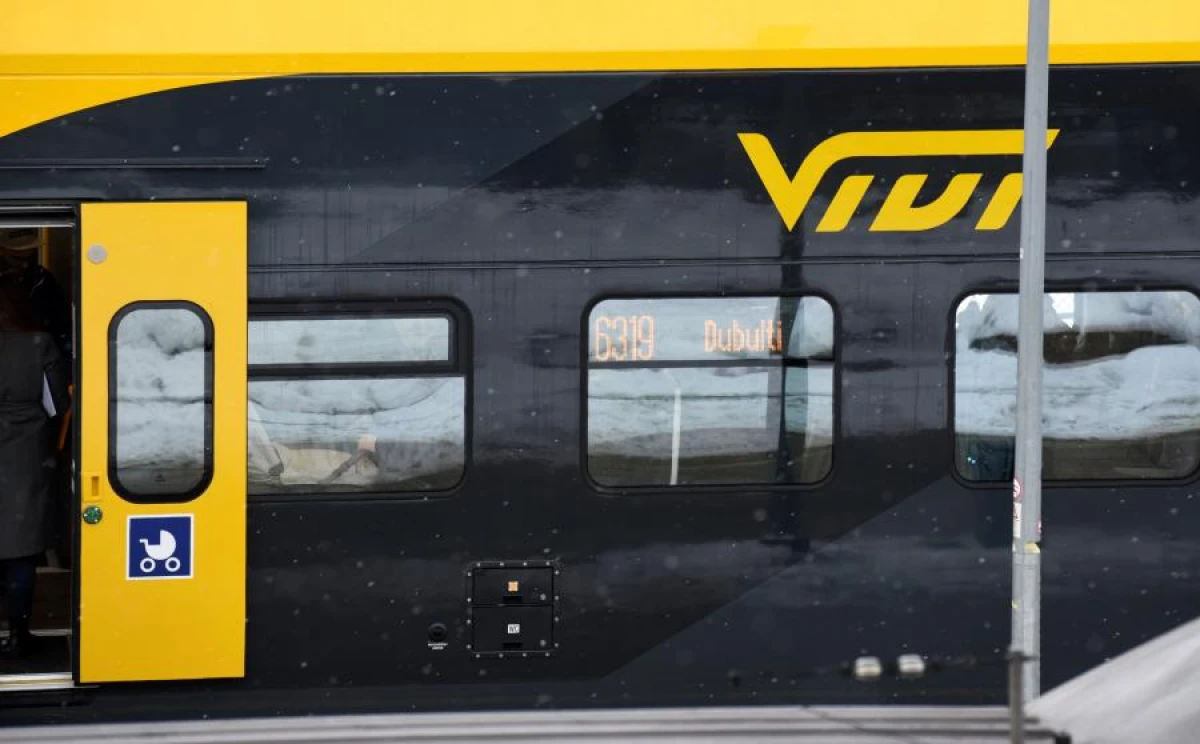
JSC "Pasažieru vilciens" (PV) will impose a penalty of 5.7 million euros on the Czech company "Škoda Vagonka" due to delays in the delivery of electric trains and defects that were not rectified within the established deadlines, confirmed PV Chairman of the Board Raitis Nešpors.
He explained that several external circumstances influenced the execution of the contract for the project, including the Covid-19 pandemic and the consequences of the war in Ukraine, which "Škoda Vagonka" also referred to in its explanations. "The impact of these circumstances during the project was taken into account by extending the deadline for the execution of the contract, which, unfortunately, was violated," said Nešpors.
He reported that PV assessed the explanations and documents presented by "Škoda Vagonka", as well as the conclusions of independent consultants - the auditing company "PricewaterhouseCoopers" and the law firm "BERG".
Based on this assessment, no legal grounds were found to waive the contractual consequences for delays in delivery and for other contractual cases where penalties are stipulated.
Thus, it was decided to apply the stipulated penalty of 5.7 million euros, which includes both the penalty for delays in the delivery of electric trains and the penalty for defects that were not rectified within the established deadlines and for non-fulfillment of other contractual obligations.
At the same time, he emphasized that this decision does not diminish PV's assessment of the significance of the project in the development of passenger transport in Latvia and the contribution of "Škoda Vagonka" to its implementation.
Nešpors noted that despite various challenges during the execution of the contract, all 32 electric trains were delivered.
He pointed out that the new trains significantly contributed to the development of passenger transport. Before the introduction of electric trains into operation in 2023, 17.1 million passengers were transported, and in 2024, the number of passengers reached 21.3 million, which is 25% more than in 2023. "At the same time, train punctuality reaches 98.4%, which is one of the highest rates in Europe," emphasized Nešpors.














Leave a comment