
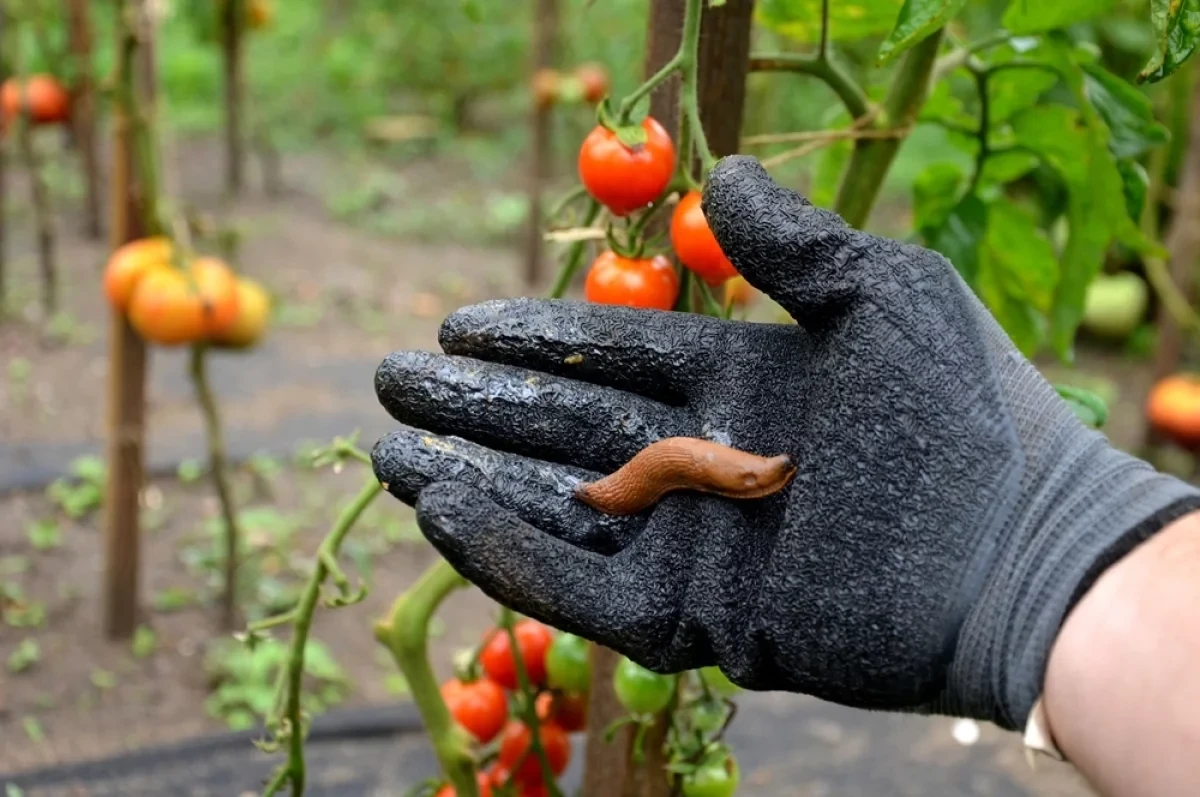
Orange Spanish slugs the size of a good sausage are thriving in the beds of Vidzeme and Kurzeme. Gardeners wonder where these 20-centimeter invaders came from, while the pests themselves could be pleased with such hospitality.
They have no natural enemies here, but there are people who, unknowingly, create "five-star resorts" for slugs with free food.
Biologist Dmitry Safonov explained what familiar gardening rituals need to be urgently canceled so that the gluttonous giants crawl out of sight.
Mistake No. 1. Evening Watering
Most gardeners are used to watering their gardens at sunset so that the sun doesn’t scorch the leaves and the moisture nourishes the roots overnight. For the Spanish slug, this is the best gift. They hate the daytime heat, but as soon as the hose is turned on and twilight thickens, their perfect time begins. You are literally laying a wet carpet for them to the juiciest beds.
"Evening watering is the main trigger. The activity of the slugs depends on humidity. Anyone who has encountered them has seen how they noticeably move in cloudy, rainy weather. Evening watering is a key factor. We know that slugs need a moist surface to move, to secrete slime, and not to dry out. And evening watering undoubtedly creates the perfect moist environment," says biologist Dmitry Safonov.
How to do it right: Move watering to early morning. During the day, the top layer of soil will dry out, making it much harder for the night walkers to move across dry ground — their delicate skin doesn’t like that.
"You need to water the plants in the morning or in the first half of the day so that by evening the top layer of soil dries out, thus removing this trigger," comments the expert.
Mistake No. 2. Storing Mulch
Mulching beds with mowed grass is a great technique, but not during a slug invasion. If you lay a thick layer of fresh green grass under zucchini or strawberries, a fermentation process will begin inside it, creating the perfect microclimate: dark, damp, warm, and very tasty. In such grass, the giants will not only hide from the sun but also joyfully lay their eggs.
"I would say that mulch is a real incubator. It is both a shelter from the sun and a home and food. During the day, slugs hide in it from the heat, and at night they come out to feed. Fresh grass is especially dangerous; it rots quickly and thus attracts them," says the biologist.
How to do it right: Replace the juicy green mulch with dry pine needles, coarse sawdust, or straw. Firstly, they do not retain as much moisture, and secondly, the pricks of the slug's delicate belly from the stiff needles are a dubious pleasure for it.
Mistake No. 3. Overgrown Grass Along the Fence
"I don’t have time to mow" — a classic story for the far corners of the plot and sections along the fence. Tall, dense grass at the border with neighbors is a ready transit corridor. It is from there, from the shadows of the weeds, that new hordes of Spanish slugs crawl onto your well-kept beds.
"It is obvious that this is the coolest and dampest refuge. There, slugs wait out the daytime heat, and early in the morning or with the onset of darkness, they head to the beds where useful crops are grown," comments the expert.
How to do it right: Mow a "sanitary zone" one meter wide around the entire perimeter of the plot. Deprived of shelter, slugs will be afraid to crawl across open dry spaces.
Mistake No. 4. Dumps of 'Useful Junk'
Pieces of roofing felt, old boards, sheets of plywood, or black film left directly on the ground are ready sleeping bags for Spanish invaders. During the day, they hide under these items by the hundreds, escaping the heat, and at night they come out to hunt.
"Under the debris on the plot, it is cool, damp, and dark. If you add some plant residues, such as mowed grass, vegetable tops, or fallen leaves, it will all turn into a five-star hotel for slugs with 'all-inclusive.' They can live and reproduce there for years," summarizes biologist Safonov.
How to do it right: Lift all the junk off the ground or take it outside the plot. If you cannot remove the boards, turn them into traps: deliberately place one piece of plywood on moist ground, and during the day, flip it over and collect all the pests hiding there at once.
Remember, it is not allowed to destroy the collected giants mechanically, for example, with a shovel right on the bed, as others will come running. Slugs are cannibals by nature and can sense the smell of dead relatives. Throwing them into a bucket with a strong salt solution, vinegar, or boiling water is the most reliable and hygienic method.













Leave a comment