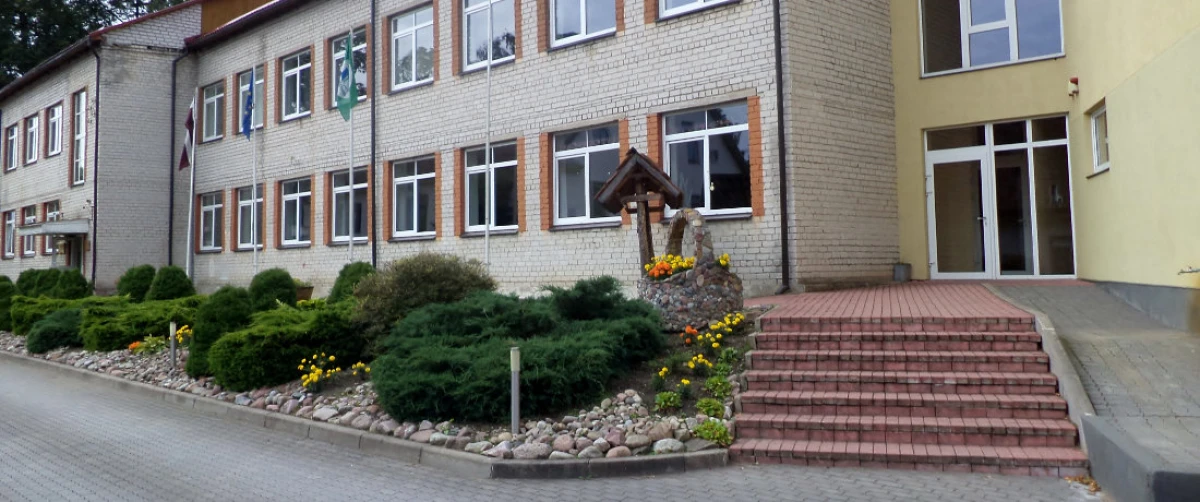
From August 1, the Edole Primary School and the Z. A. Meierovics Primary School in Kabile will cease operations in the Kuldīga region. The decision to close was made after the educational institutions failed to meet state requirements for the minimum number of students.
The school network reform continues in the Kuldīga region. From the new school year, two primary schools will cease operations — the Edole Primary School and the Z. A. Meierovics Primary School in Kabile.
The decision will come into effect on August 1 and is based on a resolution passed by the regional council last autumn. At that time, schools were given additional time and funding to maintain their operations, but by the deadline, they were unable to gather the required number of students.
As of the end of May, there were 38 children enrolled in the Kabile school, including preschoolers. However, there was only one student in the eighth grade.
The Edole Primary School had 45 students, nearly half of whom were preschool-aged children. Additionally, this school year, it was not possible to form first and third grades at all.
In addition to demographic issues, financial calculations also influenced the decision. According to the local government’s assessment, to keep both schools operating, the municipality would need to allocate an additional 281,000 euros annually for teachers' and other staff salaries.
It is important to note that most families have already chosen new schools for their children, so a mass transfer of students at the last moment is not expected.
The majority of students from Edole will continue their education at the Alsunga School of Arts, while students from Kabile will transfer to the Varma School. Education department specialists are continuing individual work with families that have not yet made a final decision.
The local government emphasizes that the school closures are related not only to the local situation but also to general demographic trends in the country. According to forecasts from the Ministry of Education and Science, the number of schoolchildren in Latvia may decrease by almost half by 2040.
The reduction in the number of children particularly affects small rural schools. At the same time, the education system is facing a shortage of teachers, making the maintenance of small schools even more challenging.
Most teachers from the closing schools will be able to continue working in other educational institutions in the region. Some educators plan to retire.
After the schools close, the local government intends to look for options for the future use of the historic school buildings. Authorities promise to inform residents about future plans separately.
Thus, the Kuldīga region will join the list of municipalities where, due to demographic decline and new requirements for student numbers, the network of educational institutions must be reduced.