Emergency departments and emergency departments in all hospitals will ensure continuous on-call service of one or two doctors around the clock - this was reported by the Ministry of Health last week.
Will everyone be treated?
The Latvian State Audit Office recently discovered critical issues in the Latvian hospital system: €700 million is spent inefficiently each year.
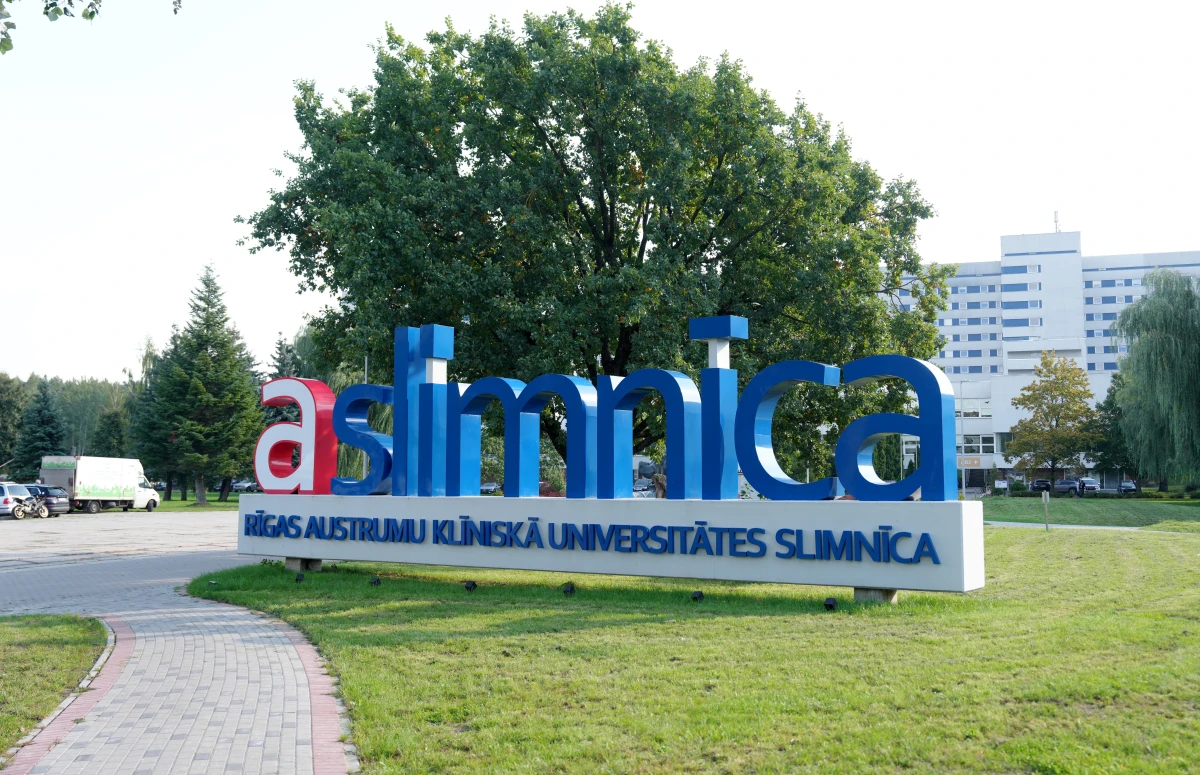
According to the auditors, the current system is particularly unfair to two top-level hospitals that receive 40% of patients and provide complex services - the Riga Eastern Clinical University Hospital and the Pauls Stradins Clinical University Hospital. Their funding was cut this year.
Meanwhile, smaller hospitals - with very low patient flow - receive fixed funding for their emergency departments, ensuring stable income.
The audit found that hospitals at all levels together cannot provide more than half of the specialists needed in emergency departments.
New order from the new year
The Ministry of Health intends to revise the funding for emergency medical care and emergency departments in hospitals. Part of the money is planned to be directed towards ensuring on-call doctors, observation services, improving access to outpatient care, and revising inpatient service tariffs.
At the same time, some specialists from emergency departments are planned to be transferred to work as on-call doctors.
The new order - revised levels of hospitals and criteria for the operation of emergency medical care departments - may come into effect as early as January 1, 2027.
"Without money, problems cannot be solved"
In turn, representatives of hospitals expressed concerns about the Ministry of Health's decisions.
The Latvian Hospital Association still believes that existing problems cannot be solved without additional funding, while the Ministry of Health is trying to present the reform of the hospital network as changes that can be made within the existing funding.
Hospital representatives again called on the Ministry of Health - before submitting the reform project for consideration by the Cabinet of Ministers - to show how the planned changes will address issues of hospital funding, personnel availability, and the burden on emergency departments.
The Latvian Hospital Association is waiting for the Ministry of Health to present a complete reform project to the industry.
Nuances of the upcoming reform
At the beginning of the year, the Ministry of Health announced significant changes for Latvian hospitals: a transition to a three-level model (instead of the current five) - multidisciplinary hospitals, regional, and local hospitals.
Specialized hospitals are planned to be separated into a distinct network.
It is in the first group of hospitals that round-the-clock emergency medical care will be provided - both a specialist in internal medicine (therapy) and a surgeon. In addition, these hospitals will provide planned services for internal medicine, including therapy and care for chronic patients, as well as further treatment and rehabilitation for patients after more complex or severe treatments in higher-level hospitals.
The category of multidisciplinary hospitals will include:
• Riga Eastern Clinical University Hospital;
• Pauls Stradins Clinical University Hospital;
• Children's Clinical University Hospital;
• Liepaja Regional Hospital;
• Daugavpils Regional Hospital;
• North Kurzeme Regional Hospital;
• Rezekne Hospital;
• Vidzeme Hospital.
The category of regional hospitals includes:
• Jelgava City Hospital;
• Jekabpils Regional Hospital;
• Jurmala Hospital;
• Kuldiga Hospital;
• Cesis Clinic;
• Madona Hospital;
• Ogre District Hospital.
The local hospitals are:
• Tukums Hospital;
• Kraslava Hospital;
• Balvi and Gulbene Hospital Union;
• Aluksne Hospital;
• Sigulda Hospital;
• Preili Hospital;
• Ludza Medical Center;
• Limbazi Hospital;
• Dobele and District Hospital;
• Bauska Hospital.