The disaster medicine system in Latvia is developing but remains fragmented — this may slow the response to real emergencies, writes Diena.
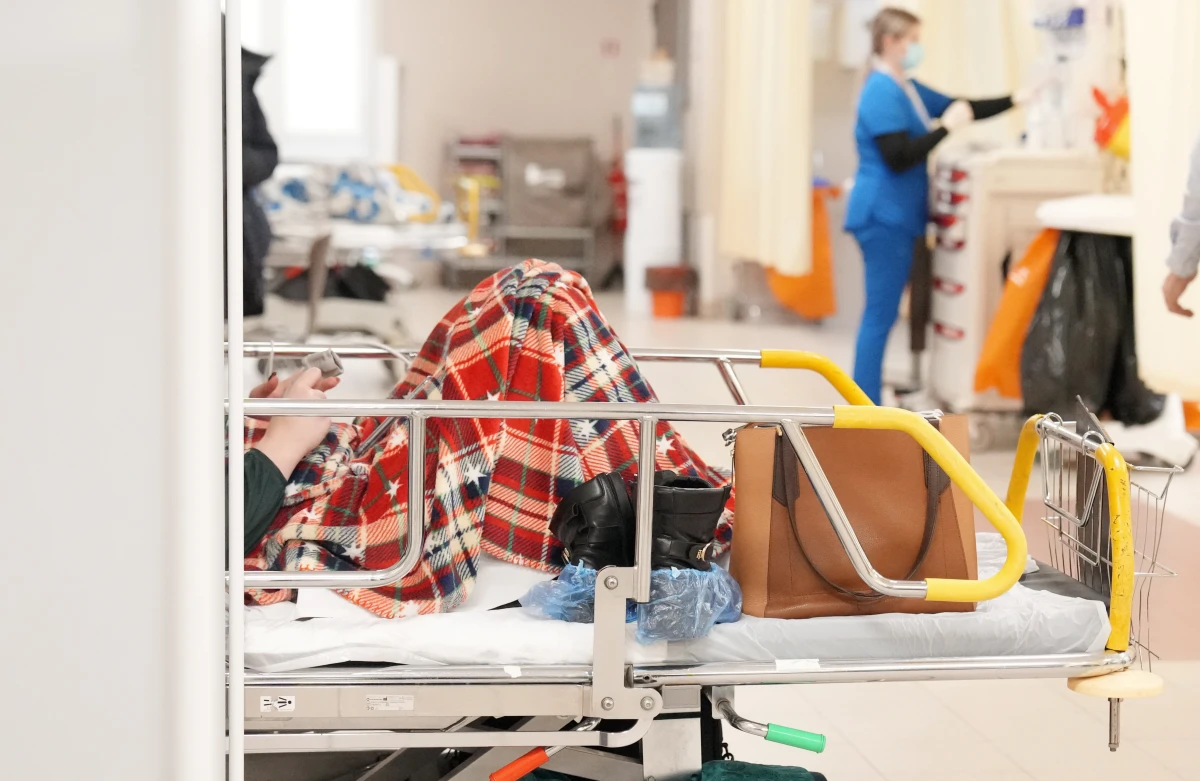
The readiness of the healthcare system for crises is gradually improving: plans have been developed, responsible institutions have been identified, and drills and surveys are being conducted. However, the medical professionals themselves acknowledge that this work is being carried out in a fragmented manner and without a unified clear system.
At the state level, basic issues remain unresolved. Among them are the creation of drug stockpiles, the distribution of roles between family doctors, hospitals, and local pharmaceutical enterprises. As a result, in the event of a crisis, not all participants in the system have a clear algorithm of actions and a defined area of responsibility.
The Ministry of Health indicates that it regularly updates the state disaster medicine plan. This document includes a main plan and 28 appendices outlining the actions of various institutions in emergency situations. Coordination in such situations is carried out by the State Operational Medical Commission, which can involve specialists from different institutions.
At the same time, the responsibility for specific actions at critical moments lies with the heads of medical institutions. Currently, such plans have been developed in 32 hospitals — they cover the provision of continuous operation, including management, resources, and the functioning of critical infrastructure.
To assess actual readiness, the Ministry of Health, together with the Ministry of Defense and major hospitals, conducted a pilot evaluation of two institutions. Based on its results, recommendations have been prepared, and all hospitals have been instructed to conduct a self-assessment within a month. A special questionnaire has been developed for this purpose, which is planned to be included in the state plan as a self-monitoring tool.
A separate problem is drug stockpiles. Theoretically, they should be formed at several levels: from home medicine cabinets to state reserves. Hospitals should have supplies for a period of one to three months, and state reserves are used in case of resource shortages. However, in practice, outpatient stockpiles have not been created, and their procurement has not even been announced.
In the event of a serious crisis, Latvia can rely on international assistance, but its receipt is not guaranteed, making internal readiness critically important.
The system is developing, but without a clear distribution of roles and real stockpiles, its readiness for a crisis remains in question.