Six severely ill patients facing life-threatening conditions have already received positive decisions for the urgent medications they need under the new system. The government introduced it in July of last year as an additional mechanism — known as the council of three university hospitals. So far, ten patient cases have been reviewed. Most often, these are cases of rare diseases.
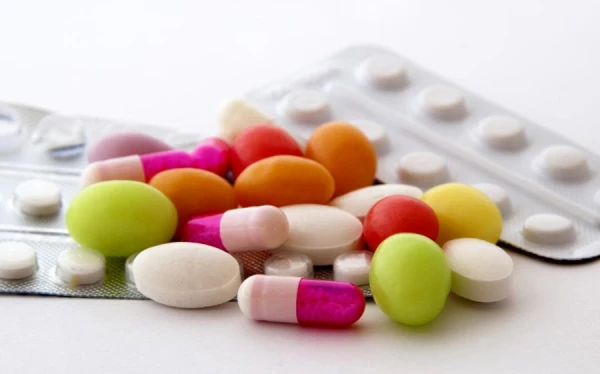
In Latvia, the government provides medications for severely ill patients in three ways: there is a list of reimbursable drugs, individual compensation, and a new — third mechanism. In emergency, life-threatening situations, a council of three university hospitals makes decisions about treatment in accordance with international guidelines.
"These amendments to the law and additional funding for patients in life-threatening situations are critically important. They provide a real opportunity to receive treatment that would otherwise be unavailable," emphasized the director of medical care development at Stradins Hospital, Jineta Heinrichsone.
The council includes specialists from the Children’s Clinical University Hospital, Stradins Clinical University Hospital, and Riga East Clinical University Hospital.
Ten Cases Reviewed
The new medication compensation mechanism was introduced in July of last year. According to the Cabinet of Ministers' rules, it applies to patients in urgent, life-threatening situations, and the course of treatment does not exceed 12 months. According to Heinrichsone, there were no further detailed clarifications.
"That is, we as doctors had to decide which cases fall under this mechanism, to which diagnoses we would relate it, but we did not establish any restrictions on diagnoses," she said.
At that time, a working group of hospital representatives developed criteria. In total, the council reviewed ten patient cases — all this year. Positive decisions were made for six of them.
Different Diagnoses
The head of the internal medicine clinic at Riga East Hospital, Petra Krike, stated that the patients have different diagnoses. They were referred to the council by their treating physicians — the patients' conditions had sharply deteriorated, but now they received medications.
"For patients who were assessed and needed treatment, the diagnoses mainly include an autoinflammatory component, an autoimmune component, and in one case — primary immunodeficiency. The available treatment methods did not provide these patients with a good clinical solution, and the patients' lives were at risk," Krike explained.
These are rare diseases, although there may be others.
The doctor added that patients with rare diseases often face unresolved clinical situations: their path to medications and to the evidence base of their effectiveness is longer and more complicated.
"We have quite a few diseases with such autoimmune mechanisms, for the control of which, for example, biological drugs are necessary — relatively expensive. If the disease is rare, the existing compensation mechanisms for such patients often do not cover them," noted Krike.
Quick and Effective Solutions
The new mechanism allows for very quick and effective decisions, explained internist Valdis Gibiētis from Stradins Hospital.
"Without this medication, the patient faces imminent death or very severe functional impairments and so on.
Although this is not explicitly stated, from the doctor's words, it follows that after taking the medications, one can speak of quite favorable prognoses. Namely, of sufficiently significant clinical improvements.
Other representatives of the council surveyed also emphasized: it cannot be expected that with the help of this council we will be able to address the unmet needs of cancer patients for palliative care, which includes palliative chemotherapy, at the state level. This would require more funding. Within the framework of this mechanism, one million euros is available per year.
The National Health Service reported that a total of two million euros has been allocated for this year — plus one million from last year, since there had been no council decisions since the system was launched in July of last year. Currently, about 420,000 euros are reserved for six patients.