Winter, but unusually warm weather in December awakens even those who should be in winter hibernation. What does this mean for mosquitoes and ticks – will they survive better or, on the contrary, perish? How do climate whims affect the population of dangerous insects, and should we expect more or fewer of them in spring? About mosquitoes and ticks, whose life news TV3.
Usually, cold, stable winters with persistent frosts help regulate their population. Frost destroys some larvae and adult individuals, while snow cover acts as insulation for those hibernating in the soil or fallen leaves.
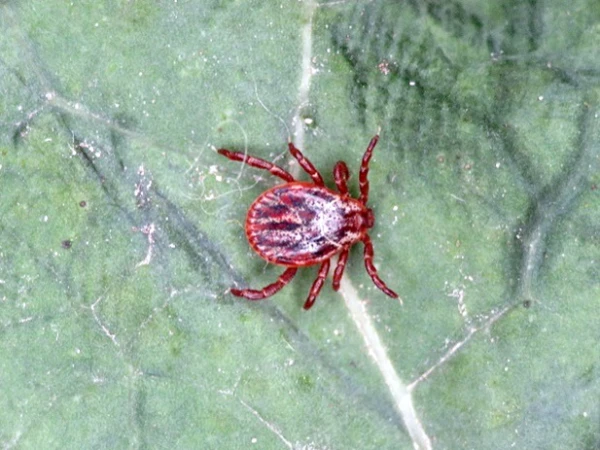
Ticks are carriers of dangerous diseases – encephalitis and Lyme disease, while mosquitoes carry viruses and parasites. Although in Latvia they rarely cause serious illnesses so far, climate change may also affect this situation.
However, in recent years, winters in Latvia have increasingly been observed with temperatures around zero or even positive. This is not to the liking of insects – a warmer and unstable winter may lead to a reduction in the number of ticks and mosquitoes next summer.
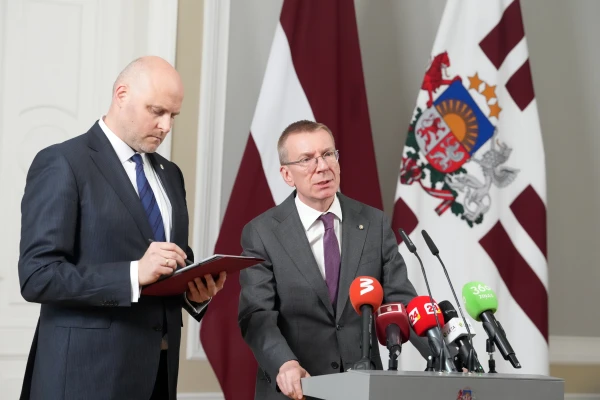
"What they don’t like is ice, severe frosts, -15, -20, and the absence of snow cover. There is no snow, but it is warm. They feel good. However, too warm weather is also not beneficial for them. It prevents them from hibernating; some do not manage to go into hibernation or wake up, these fluctuations are very unfavorable for them. If there are constant alternations between positive and negative temperatures, hibernation may fail – many may die, spending extra energy on waking up," explains Uģis Piterāns, senior entomologist at the Latvian National Museum of Nature.
Meteorologists note that relatively warm winters have now become the norm. This December is also warmer than average. In the second week of the month, 56 temperature records were broken in Latvia, including national records on December 10 and 11, according to data from the Latvian Environment, Geology and Meteorology Centre (LEGMC). In Riga, the temperature even rose to +10 degrees!
Climate change is a reality, and tales of snowy and harsh winters remain in the past. We are facing relatively warm and unstable weather, meteorologists conclude.
"Air temperatures are climatically rising, and Decembers are more often warm. Although the overall trend is towards warming, there are also opposite deviations when temperatures are below normal. In the remaining part of December, not much precipitation is expected, during the day – positive temperatures, locally wet snow, by Christmas – a thin layer of snow in the east, but nothing stable is forecasted until January," says LEGMC meteorologist Karina Rožkova.
Meteorologists' forecasts promise a mild winter without severe frosts and storms, but with climate warming, natural whims may bring unexpected surprises.