
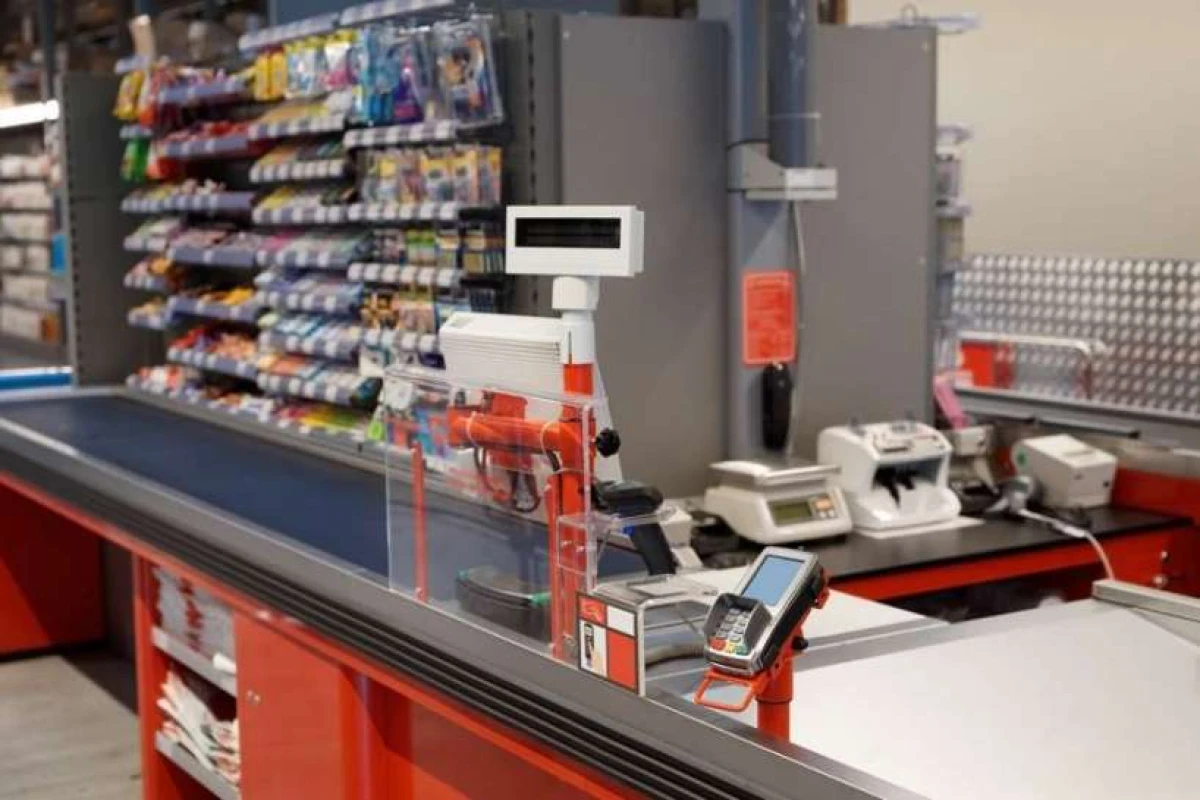
Self-service is more suitable for introverts: just a screen, minimal contact.
People refuse to go to self-service checkouts in stores and are willing to stand in a physical line not only due to a reluctance to master new technologies. There are other reasons why this is more convenient for them.
Who are these people who do not wish to use self-service checkouts and stand in line? They are not necessarily technophobes or elderly individuals who find it difficult to adapt to technology. Very often, these are people with a specific set of traits, says psychologist Evgenia Zayeva.
1. Need for Live Contact
"First of all, these are extroverts," says the psychologist. "Self-service is more suitable for introverts: just a screen, minimal contact. Extroverts are structured differently. Research shows that they actively seek social interaction because it is very important to them. A short dialogue with the cashier energizes them. They will not save thirty seconds at the expense of live contact."
2. Orientation on Routine
Those who know all the cashiers in the nearby store by name choose the live checkout.
"Routine for them is not boredom, but a ritual. And a ritual provides predictability and calm. Why change what works and does not cause stress? A new interface, unfamiliar sounds, the need to relearn—all of this is exhausting in our technological age," explains Evgenia Zayeva.
3. Absence of 'Vanity of Vanities'
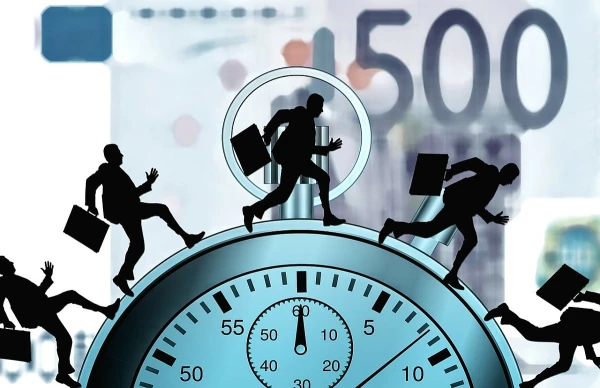
Often, these are people who are not in a hurry. They have escaped the clutches of vanity—this endless race for efficiency and productivity.
"They do not need to save two minutes because it is not crucial for them what to spend those two minutes on later. On social media? On a series? Or maybe on a long walk? Why speed up life if you are not running away from it? A live cashier for them is a permission to slow down without guilt," continues the expert.
4. Reluctance to Control
These people know how to let go of control. The modern world is an endless noise, notifications, deadlines, and to-do lists, and self-service checkouts are yet another additional task—weighting, finding the barcode, placing items, not making mistakes, watching the screen, waiting for the operator.
"In line with a live cashier, a person lets go of control. They place the products on the conveyor and for thirty seconds simply wait, controlling the process only a little," says the psychologist.
5. Need to Calm Anxiety
Often, people passing by self-service checkouts are anxious. It sounds like a paradox: seemingly, an anxious person should avoid unnecessary communication. But anxious individuals worry not so much about contact as about responsibility.
"In self-service, they are responsible for everything themselves: what if the scales break? What if someone thinks I am stealing? What if I can't find the code and there is an impatient person behind me? A live cashier takes the responsibility on themselves. And an anxious person chooses less stress," explains Evgenia Zayeva.











Leave a comment