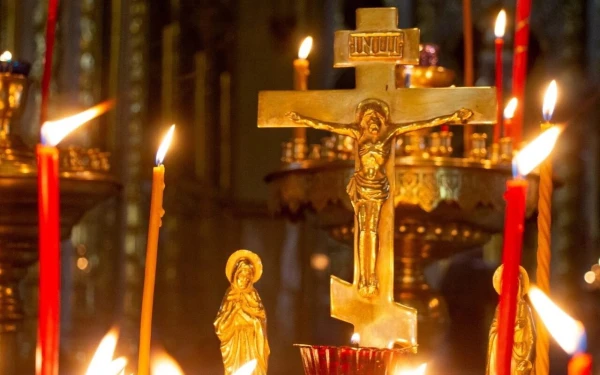
Radonitsa is not just a day of mourning, but a remarkable time when the bright sorrow for those who are no longer with us intertwines with the sincere joy of the Resurrection. This special day reminds us that death is merely a threshold, not an end, and faith gives hope for new life.
In fact, the most important thing we can give to the deceased is our fervent prayer, sincere participation in church services, and performing good deeds in their memory. Leaving treats at graves or organizing noisy feasts has no genuine spiritual significance. It is much wiser and more merciful to help those in need and ask them to offer prayers for your loved ones.
What is Radonitsa?
Radonitsa occupies a unique place in our church calendar. Although it seems that this day is dedicated to the memory of the departed and evokes sadness, its name surprisingly comes from the word "joy." This is not by chance, as the radiance of Christ's Resurrection illuminates even those who have already left this earthly world.
During Holy Week and Bright Week, common memorial services in churches are not held. During these holy days, the Church is fully immersed in the remembrance of the Savior's sufferings and the jubilant joy of Easter. However, the commemoration of the deceased never ceases: every day during the Liturgy, priests pray for both the living and those who have passed away. For before the Lord, all souls are alive, and true love does not fade even beyond death.
The common commemoration of the deceased occurs after Bright Week, on Tuesday, the day of Radonitsa. When visiting the cemetery, it is important not only to remember your relatives but also to mentally address them with a joyful Easter greeting: "Christ is Risen!"
What to Do on Radonitsa?
The Kiev-Pechersk Patericon contains a remarkable tradition. Once, a hieromonk was performing incense in the caves where the venerable fathers found peace. When he said, "Holy fathers and brothers, today Christ is Risen!", a response echoed from all sides: "Truly He is Risen!" This vivid testimony shows that the spiritual world is remarkably close to us, and our sincere prayer truly reaches those for whom we pray.
Unfortunately, in popular customs, the true meaning of this day is sometimes distorted. Many organize noisy feasts right at the cemeteries or leave food on the graves. However, the deceased do not need this at all, as the Kingdom of God is not connected to worldly, material things. What is far more important for them is fervent prayer, bright memory, and performing good deeds. It is much better to share treats with those in need, asking them in return to pray for your loved ones.
There are also modern stories that confirm the incredible power of prayer. For example, a man named Sergey had a difficult relationship with his father, who once left the family. But towards the end of his life, the father returned, and the former wife showed remarkable mercy by taking care of him. Before his passing, he managed to reconcile with God. After his death, his son Sergey tirelessly prayed for him and ordered memorial services. And one day, in a dream or vision, he saw his father alive. He simply thanked him for the prayers and disappeared. For Sergey, this became a profound sign: prayer truly reaches those for whom we sincerely ask.
Prayer for the deceased has a completely special power. It is selfless, as those for whom we pray can no longer repay us. That is why such prayer holds the greatest value before God.
Radonitsa serves as a powerful reminder to each of us: death is not the end. It is merely a transition to another state, to eternity. And the Church, whether heavenly or earthly, remains one and indivisible. Therefore, with deep faith and sincere love, we turn to each other and to those who have already departed to the other world: Christ is Risen! Truly He is Risen!