
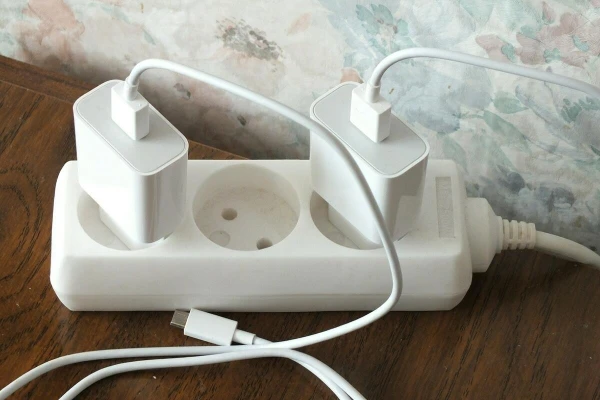
Many do not pay attention to the habit of leaving the charger plugged in, considering it safe. However, even without a connected smartphone, the adapter continues to work and may wear out faster over time than it seems.
The Charger Works Even Without a Phone
Even if no gadget is connected to the adapter, it remains powered. The internal components continue to function in the background, albeit with minimal load. This means that the device is effectively not "resting" and is constantly in operation.
Why This Accelerates Wear
The main reason is the constant exposure to electricity and slight heating. Even a small amount of heat gradually affects the internal elements, especially the capacitors, which are responsible for voltage stability. Over time, they lose their properties, causing the charger to start functioning erratically or to fail.
This Also Means Extra Costs
Most adapters are not repairable, so when they break, they are simply replaced. This is particularly noticeable when it comes to expensive original or fast chargers.
Where the Real Danger Lies
The greatest risks are associated with cheap and uncertified chargers. Such devices are more likely to overheat, break down faster, and in some cases, can lead to short circuits. The longer they are plugged in, the greater the likelihood of such problems.
Everyday Inconveniences
A charger that is constantly plugged into the outlet can be a nuisance in daily life. It can be easily bumped, damaged, or pulled out along with the outlet, especially in tight spaces.
What’s Better to Do
The simplest solution is to unplug the charger after use. This reduces the load on the device and extends its lifespan. Alternatively, power strips with a switch or smart plugs that allow you to cut off power to the adapter without extra actions can be used.















Leave a comment