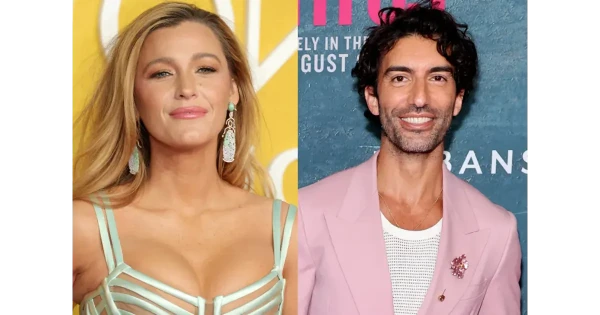
Blake Lively's high-profile defeat in the harassment lawsuit against director Justin Baldoni has resulted in a wave of sarcasm and criticism, putting her reputation at risk.
A federal court in New York ruled against actress Blake Lively, dismissing her main lawsuit against director Justin Baldoni. The scandalous case involved allegations of harassment during the filming of the movie "It Ends With Us." According to the BBC, the judge found insufficient legal grounds for Lively's accusations. One of the key reasons was that the actress participated in the project as an independent partner, not as an employee. The court emphasized that the harassment protection laws cited by Lively are designed to protect subordinates from superiors, but do not extend to equal business partners. Another sticking point was a jurisdictional error: Lively filed the lawsuit based on strict California laws, even though the filming and the alleged incidents took place in New Jersey. The court's ruling also noted that some of Baldoni's actions, such as improvising in intimate scenes or discussing sensitive topics, could have been part of his creative process. The court concluded that the film industry needs to maintain freedom for artistic experimentation within the script, as long as it does not exceed reasonable bounds.
Despite the fact that Lively's defeat was due more to "technical nuances" rather than a complete exoneration of Baldoni, the court's decision sparked a wave of sarcasm and harsh criticism directed at the actress. On social media and in comments, users actively discuss the "reputational suicide" of the star and her resounding failure in the "court of public opinion." Opinions such as, "Lively has ruined her entire career and reputation for nothing!" and "She shouldn't have filed this complaint at all," are quoted by users of the Daily Mail.
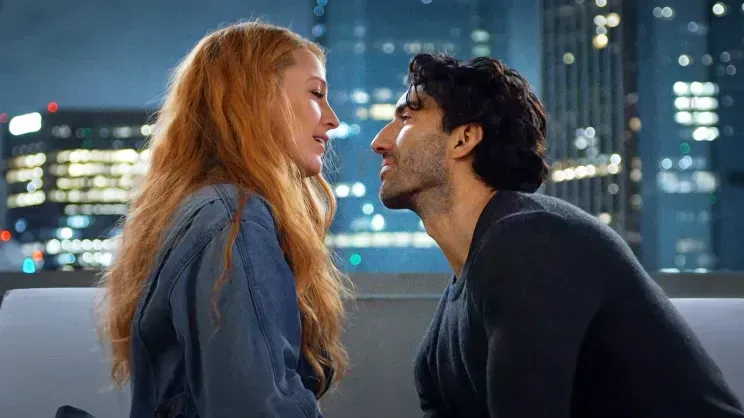
Actress's Allegations
Blake Lively's lawsuit against Justin Baldoni was filed in late 2024. The actress's main complaints concerned his behavior as a director and her co-star. Lively claimed that Baldoni "held her in his embrace" longer than the script allowed and made inappropriate touches during the rehearsals of intimate scenes, which, according to her, created an "atmosphere of sexual tension." The actress, who had already become a mother for the fourth time at that point, perceived the director's question about her weight before he was supposed to lift her as public "fat-shaming." Lively also stated that in one scene, Baldoni continued to kiss her even after the command "Cut!", which she considered a blatant violation of personal boundaries.
Escalation of the Conflict
The legal dispute between Lively and Baldoni quickly escalated into a real "dirty" legal war. To prove their client's innocence, Baldoni's lawyers presented the court with video recordings from the set and fragments of Lively's personal correspondence with colleagues. In one such message, Blake ironically characterized Baldoni as "too sensitive of a boy who doesn't understand how business is done." These leaked correspondences seriously undermined Blake's position as a "victim of harassment," portraying her more as a domineering leader who could have initiated conflicts herself.

Counterattack and New Twists
The director, in turn, filed a counterclaim, accusing Blake Lively and her husband Ryan Reynolds of colluding to undermine his career. Baldoni claimed that the couple deliberately spread rumors about his "toxicity" to justify his removal from the film project. In this tangled story, the name of Lively's famous friend — singer Taylor Swift — also surfaced. It turned out that in her personal correspondence, Lively compared herself to Daenerys Targaryen from "Game of Thrones," hinting that the media power of her "dragon" Swift would help her in her fight. After these revelations, Taylor quickly distanced herself publicly from Lively.
At the last court hearing, 10 out of 13 of Lively's claims were dismissed. However, the actress still has the option to file a lawsuit against Baldoni's company, Wayfarer Studios, on three counts: breach of contract, revenge, and aiding and abetting revenge. It is worth noting that back in June 2025, the court also dismissed Baldoni's counterclaim against Lively and Reynolds for a substantial amount of $400 million, filed for defamation and an attempt to "take over" the film.