
The law summarized all previous censorship practices and was adopted in April 2003.
The German control system is one of the most convoluted in the world. It is based on "two pillars": voluntary self-regulation (FSK) and state protection of youth (BPjM). The central instrument of censorship is the Bundesprüfstelle für jugendgefährdende Medien (abbreviated BPjM), also known as the Federal Bureau for the Protection of Minors in the Media. It is important to mention the Jugendschutzgesetz (abbreviated JuSchG) — the Youth Protection Act, which establishes strict legal liability for the sale and display of content to minors without appropriate age ratings. It empowers the state to "index" and effectively hide from society any films or games deemed excessively violent or glorifying violence.
The law summarized all previous censorship practices and was adopted in April 2003 as a somewhat illogical reaction to the tragedy that occurred a year earlier in the city of Erfurt, when 19-year-old Robert Steinhäuser opened fire at the Gutenberg Gymnasium (at that time, it seemed that all monstrous school shootings had to be blamed on pop culture). In fact, the implementation of the law is the responsibility of the Federal Bureau for the Protection of Minors in the Media. It maintains a list — the "Index" — where films recognized as excessively violent or "glorifying violence" are placed. If a film is indexed, it is prohibited to advertise, display in store windows, and sell to minors. It cannot even be written about in a positive light in the press. It continues to exist "under the counter," but effectively disappears for the mass consumer.
But the harshest measure is "Confiscation" (Beschlagnahme) based on the Criminal Code (Article 131). If a court decides that a film violates the law, it is declared illegal. In this case, the police have the right to seize copies from stores, and distribution can lead to imprisonment. Because of this paragraph, many global hits have been released in Germany in a "censored" version for decades: publishers cut 10–15 minutes of screen time to avoid legal prosecution.
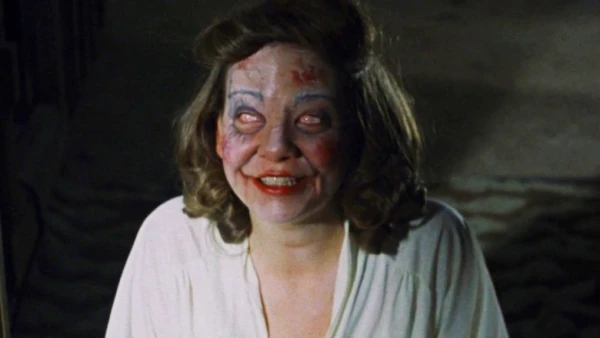
One of the most famous cases is the story of Sam Raimi's "The Evil Dead." The film was confiscated by the court and was banned for over 30 years. Any attempts to release it officially were thwarted until 2016, when lawyers managed to prove that modern audiences perceive this violence as grotesque and comic, rather than a real threat. A similar fate befell George Romero's "Dawn of the Dead" and "Friday the 13th": German viewers watched versions where almost all key scenes were cut.
Today, German censorship is undergoing a digital transformation: the physical confiscation of tapes has been replaced by the obligation for streaming and gaming platforms to implement state age verification systems that automatically hide "adult" content.
At the same time, a large-scale "amnesty" for horror classics is taking place in the country — many films that had been under judicial arrest for decades are recognized as normal works of art (see the case of "The Evil Dead") and are returning to store shelves. Instead of fighting with severed heads on screen, modern censors have focused on protecting teenagers from online threats: gambling mechanisms in video games (loot boxes) and cyber grooming on social media. Cinema is no longer as interesting to German censors.













Leave a comment