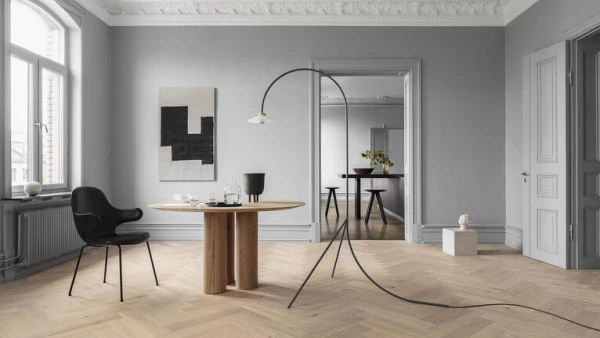
A person really doesn't need many things.
Five years ago, the global fascination with minimalist living reached its peak. It was then that "tidying guru" Marie Kondo and her like-minded individuals turned decluttering into a philosophy of happiness. It seemed that people were able to overcome their urge to consume and conserve the planet's resources.
The "father" of minimalism is American Frank Stella, the creator of the series of works titled "Black Paintings." In 1959, the 23-year-old artist presented several black rectangular canvases on a massive frame at an exhibition in New York. Stella believed that a painting is simply a surface with paint, devoid of unnecessary meanings.
Half a century later, the idea of rejecting excess was picked up in the USA and Japan, and then this consumer trend found supporters in other countries. In the States, it all started with 28-year-old Joshua Milburn, an executive director at a large retail company, and his friend Ryan Nicodemus, the head of sales and marketing. Both were well-paid. In 2009, Joshua's mother passed away. The young man traveled to Florida intending to hire a truck and move his late mother's belongings to his place. While sorting through the house, Milburn was struck by two circumstances: the enormous amount of unnecessary junk and four sealed boxes under the bed. Inside were his childhood drawings, report cards, and school notebooks. Judging by the dates, the boxes had not been opened for 20 years. Joshua decided to give away the items and photograph the important ones. Later, he realized that his apartment was also a "dump of memories" and began to declutter.
Observing his friend, Ryan came up with a kind of performance — a "packing evening." He packed clothes and household items into boxes as if he were moving and took them out as needed. After three weeks, 80% of the items remained untouched.
The friends decided to popularize minimalist ideas: they quit their jobs and started a blog. Then Joshua and Ryan wrote their first book and went on a tour across the USA.
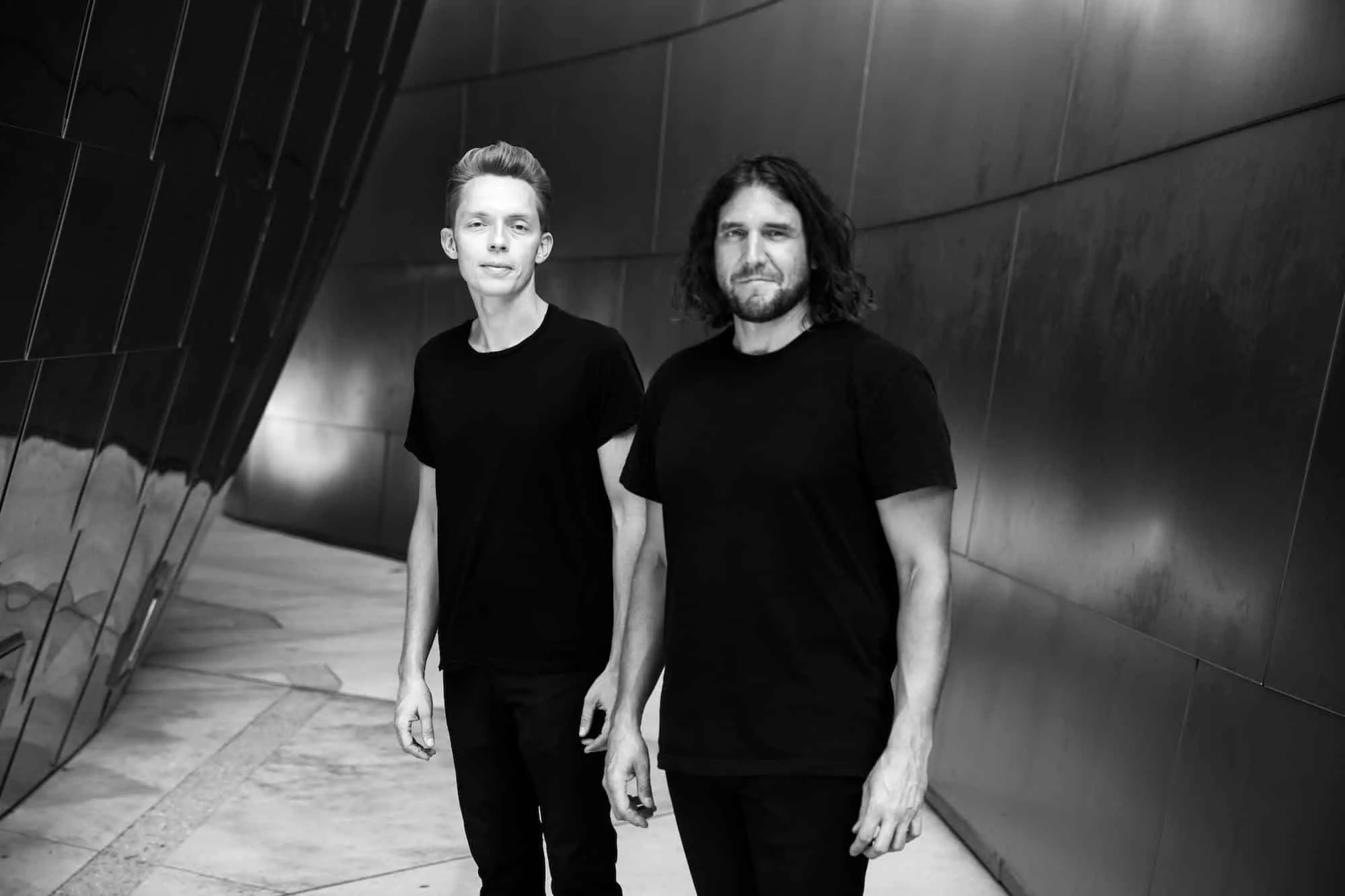
In 2016, together with director Matt D'Avella, they created the film "Minimalism: A Documentary About the Important Things." The film was shown at environmental festivals and among minimalism followers. It could have remained within this narrow audience, but it was acquired by the largest streaming service, Netflix. The film instantly became a hit. In 2021, Netflix released the documentary miniseries "Minimalism: Less Is Now." "Minimalism is not a path and certainly not a destination. It’s a tool to clear the way," Milburn explained his idea in an interview with Forbes in 2017.
The second pillar of rejecting the unnecessary can be attributed to Japanese Marie Kondo. Cleaning has always been her passion, and she even dedicated her thesis to the connection between tidying up and gender. Typically, Marie would declutter her home by throwing away excess items. This was a long and painful process until one day she shifted her focus, deciding to keep only what was necessary. For most Japanese living in small, cramped apartments, Kondo's ideas were relevant. Her first book was published in 2011, shortly after a major earthquake in the country. Many Japanese experienced loss of property and reassessed the importance of material things. Kondo offered therapy: how to surround oneself only with what is truly precious. In 2014, her book was translated into English, and the Japanese woman became a star, making it to Time's list of the 100 most influential people.
In January 2019, Netflix launched the reality show "Tidying Up with Marie Kondo." This happened after the New Year holidays when people typically declutter, so the project's success was almost guaranteed. The show had an unexpected side effect: thrift stores saw lines of people wanting to donate items. In 2021, Netflix produced another project featuring Kondo.

Ultimately, over ten years, modern minimalists gained millions of followers. Joshua and Ryan seem to have successfully monetized their popularity. The friends moved from Ohio to California, where they built a professional studio for content creation. Now, the authors of the concept talk less about how to throw away junk and more about how to deal with "digital noise," reduce working hours, and build deep relationships in a world overloaded with social media. Marie Kondo has also changed. She is no longer the "cleaning guru" but an advocate of the "Kurashi" concept — the "ideal lifestyle" in a broad sense. Her priorities transformed after the birth of her third child in 2021. "Now there is chaos in the house," Kondo admits.
"Most often, people choose minimalism out of a desire to reduce clutter and lessen the burden associated with spending time and money on buying, cleaning, repairing, and maintaining things. This is compounded by environmental motives, a desire for greater freedom in travel, and an aversion to consumer culture," says Rebecca Blackburn, a researcher from the Australian National University. Minimalism reduces anxiety and cognitive load, resulting in a feeling of happiness. A person also gains other moral bonuses: a sense of responsibility and socially approved environmental identity.
"Minimalism can be integrated into communication strategies in the field of sustainable development to promote conscious consumption, especially in emerging economies," stated two Turkish scholars in the article "Exploring the Impact of Minimalism on Consumer Ethics."
However, this opinion has many opponents who believe that such a rejection of things is useless for sustainable development. Researcher Kyle Chayka, in his book "The Search for Minimalism," emphasizes the differences between the deep philosophy of the artistic movement and the commercialization of the lifestyle. It seems that the life experiences of Joshua, Ryan, and Kondo helped them overcome personal difficulties but did not rid the world of overconsumption.
For many people, minimalism has become a temporary trial — a challenge. Numerous videos, streams, and social media posts come out under headlines like "How I Got Rid of 100 Things," "My Wardrobe — 30 Items," "I Live Without Plastic for Seven Days." Finnish sociologists studied nearly 16,000 tweets on Twitter (now X, blocked in Russia) on the topic of responsible consumption in 2022-2023. It turned out that the authors of 70% of the posts focus on individual aesthetics and self-presentation, and the results of users' actions do not concern them.
<iframe width="560" height="315" src="https://www.youtube.com/embed/DLitltv_LrA?si=I4eXGtMWoXM4B7ub" title="YouTube video player" frameborder="0" allow="accelerometer; autoplay; clipboard-write; encrypted-media; gyroscope; picture-in-picture; web-share" referrerpolicy="strict-origin-when-cross-origin" allowfullscreen></iframe>