About 60 lawsuits are underway in the U.S. where creators and rights holders are suing companies developing artificial intelligence technologies.
About 800 artists have signed an open letter accusing technology companies of "theft" of copyrighted works to train their artificial intelligence models.
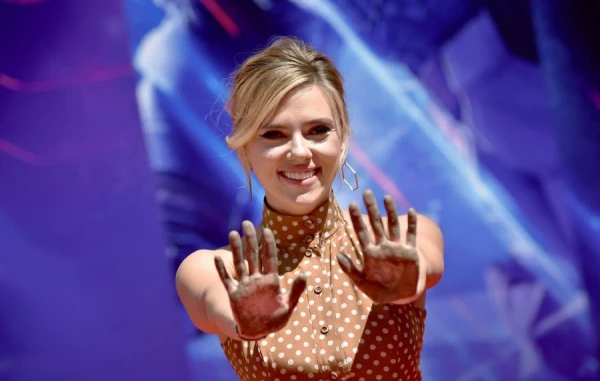
Among the signatories are writers, musicians, and actors, including Scarlett Johansson, Cate Blanchett, the band R.E.M., and the creator of the series "Breaking Bad," Vince Gilligan. The letter was published by the Stealing Isn't Innovation movement of the Human Artistry Campaign.
The letter demands that companies move towards "ethical" partnerships instead of "theft."
Companies working with AI are facing numerous copyright infringement lawsuits due to the unauthorized use of protected works to train models; the outcomes of these cases have been mixed so far.
"The American creative community is the envy of the world and creates jobs, drives economic growth, and exports," the open letter states.
"But instead of respecting and protecting this valuable asset, some of the largest technology companies, many of which are funded by private equity firms and other investors, are using the works of American authors to create AI platforms without permission and in violation of copyright law."
Currently, about 60 lawsuits are being considered in the U.S., where creators and rights holders are suing companies in the AI sector. Similar cases are also ongoing in Europe.
Companies train their models by uploading vast amounts of data into their systems, including texts, images, music, and videos. These models extract patterns from this data to generate new content.
However, a significant portion of such materials is collected en masse from the internet without the permission of rights holders, including books, articles, artworks, photographs, and music. Companies argue that this falls under "fair use," while artists insist that it constitutes unauthorized copying that undermines their income and intellectual property rights.
In 2024, OpenAI faced criticism from Scarlett Johansson after the Advanced Voice feature sounded similar to her voice from the 2013 film "Her." Johansson's legal representatives sent letters to OpenAI asserting that the company had no right to use a voice resembling hers. Subsequently, OpenAI suspended the "Sky" voice.