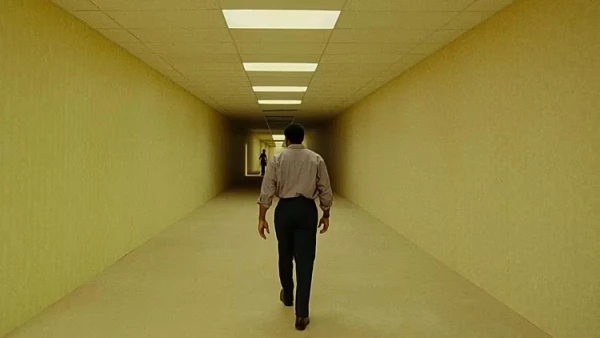
Crises in relationships are not random quarrels or a sign of having the "wrong" person beside you. Psychologists view them as inevitable stages of the couple's development that arise at certain periods of shared life. Changes in roles, responsibilities, life priorities, and levels of intimacy create tension that cannot be avoided.
Psychologist and psychotherapist Natalia Garina explains the types of crises that occur at different stages of relationships and how to navigate them without panic and consequences.
1–2 Years of Marriage — Adaptation Crisis
The period of idealization ends, and spouses face real domestic life, finances, and family scenarios. Conflicts may seem minor, but they form their own rules of life. It is important to negotiate rather than try to re-educate the partner.
3–4 Years — Crisis of Roles and Power
Questions of responsibility, career priorities, and decision-making arise. Silence on these topics breeds control or passive aggression. The solution is open negotiations about boundaries and responsibilities.
5–6 Years — Overload Crisis
The birth of children or accumulated fatigue can reduce intimacy. The couple needs time alone together: this is not a luxury, but a necessity for maintaining the relationship.
7–8 Years — Routine Crisis
Stability without development creates a sense of emptiness. The solution is new shared goals and projects, not radical changes.
10–12 Years — Emotional Exhaustion Crisis
Life can turn into a set of functions. If emotional contact is not restored, the couple begins to exist like neighbors in a house.
15–20 Years and Beyond — Re-evaluation and Meaning Crisis
Partners change, children grow up, and the union requires a new format of intimacy.
According to Garina, crises do not destroy the family by themselves. Destruction occurs due to the unwillingness to acknowledge changes and revise agreements. The ability to jointly navigate these stages and adapt to the new reality distinguishes a mature couple from a fragile one.