Sometimes the 'Game of Thrones' universe does not need another apocalypse. It craves not epic battles and great houses, but roads, dust underfoot, and a hero who moves forward not because he is chosen by fate, but simply because he does not know how to do otherwise. This is exactly what the series 'Knight of the Seven Kingdoms' turns out to be — an intimate and unexpectedly human return to George Martin's world.
Several episodes have been released so far, but it is already clear: this is not an attempt to replicate the success of 'Game of Thrones' and not a competition with 'House of the Dragon'. This is a story of smaller scale — calm, grounded, and almost cozy by Westeros standards. And this is its main virtue.
A Story Without Crowns and Great Intrigues
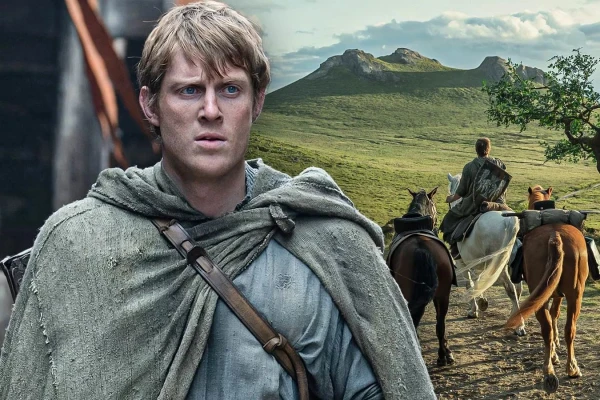
At the center of the plot is Ser Duncan the Tall, a wandering knight of no noble birth, loud name, or clear plan for life. Together with his young squire, he travels through Westeros, trying to earn a living, maintain his dignity, and not lose himself in a world where honor often costs less than a bag of silver.
The starting point is the desire to attend a tournament — a simple and almost naive goal. But, as is customary in this world, even the most grounded plans quickly become entangled in consequences. There are no multi-step political maneuvers or struggles for the throne here. This is a view from below — from the perspective of ordinary people who bargain, make mistakes, quarrel, and survive as best they can.
Violence in the series is not presented as a spectacular attraction. It arises suddenly and mundanely — as a result of a wrong choice or a random mistake. This is why what happens feels alive and truly unsettling.
Less Epic — More Life
Visually, the series is pleasantly surprising. The sets and costumes look lived-in rather than polished: dirt, worn armor, the creaking of leather and metal create a sense of real medieval life. Westeros here is not grand but everyday — and that makes it much more convincing.
The tone of the series is noticeably softer than its predecessors. There is unexpectedly a lot of humor — calm, domestic, without grotesque. It does not destroy the atmosphere but makes the characters closer and more alive.
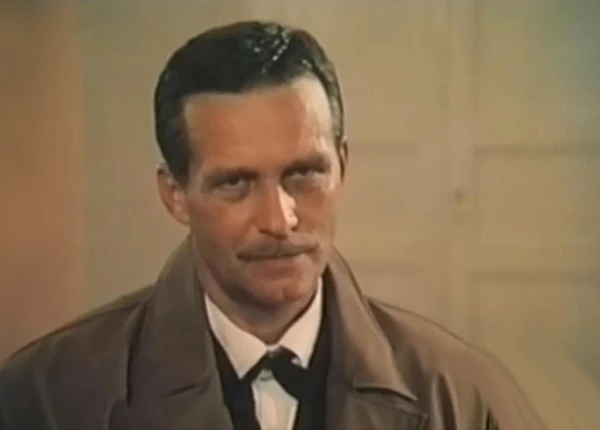
Particular mention should be made of the lead actor. His Duncan is big, awkward, sometimes simple-minded, but sincere. This is a rare hero in this universe without cynicism and cold calculation. It is easy to believe in him and one wants to follow his journey.
At the same time, the series is not without its weak points. In certain scenes, it seems to remember that it is in the 'Game of Thrones' universe and tries to shock the viewer with harshness or brutality. These moments disrupt the overall rhythm and feel unnecessary — without them, the story would appear more cohesive.
A Quiet Story Within a Large Universe
It is important to understand right away: 'Knight of the Seven Kingdoms' is not a grand epic. Compared to the flagship projects of the franchise, it lacks scale. Moreover, there is a feeling that without the connection to the well-known universe, the series could easily be overlooked.
But therein lies the paradox. Its intimacy works to its advantage. At some point, you catch yourself thinking that the fate of one simple knight walking down dusty roads is more interesting than endless court intrigues.
This is a quiet, almost intimate tale of choice, responsibility, and honor — without guarantees of reward. The series does not try to shout, surprise with scale, or outdo its predecessors. It simply tells a story.
If you are expecting intrigues at the level of King’s Landing — this project is not for you. But if you want to feel Westeros again — its roads, people, and harsh reality — 'Knight of the Seven Kingdoms' may turn out to be that rare and honest return.