In Germany, the possibility of banning the breeding of dogs with 'skeletal anomalies' is being discussed. The corresponding bill was prepared by the Federal Ministry of Agriculture.
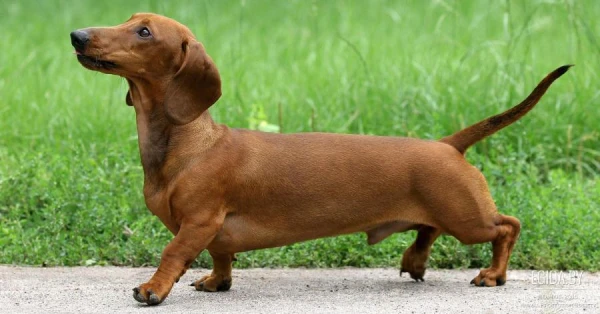
If the bill is passed, breeding dachshunds will be prohibited, as these dogs can experience back problems due to their short legs and long bodies.
The German Dog Breeders Club (VDH) has opposed this bill.
“Some of the proposed changes, such as regulating online animal trading and measures against illegal puppy trading, do make sense. However, the bill contains requirements that could lead to the extinction of many healthy dog breeds in Germany,” the petition published by the organization states.
Dog breeders note that the wording of the bill is vague and can be interpreted in various ways. For instance, “bone system anomalies” could be interpreted as a direct ban on breeding any breed that differs from the wolf skeleton—the ancestor of dogs.
“This term, for example, could relate to the length of legs in dachshunds or other small breeds,” the club's petition, referenced by the Daily Mail, points out. “If the bill is passed, it could make breeding dachshunds in Germany impossible,” club representatives fear.
Dachshunds have short legs due to chondrodysplasia, a genetic condition related to dwarfism. These dogs were bred with such proportions so that they could easily navigate through underbrush and burrow into the ground to hunt badgers.
The German Ministry of Agriculture commented that their goal is to “prevent the mutilation of dogs to the extent that they suffer.”
A common problem for dachshunds is intervertebral disc displacement, which can occur due to the disproportion between short legs and a relatively long spine, leading to lameness. Last year, the animal protection organization Peta urged people to refrain from purchasing dachshunds due to potential health issues.
Nevertheless, in Germany, this breed currently ranks second in popularity after the American Alsatian.