In the mid-20th century, its population sharply declined due to excessive hunting.
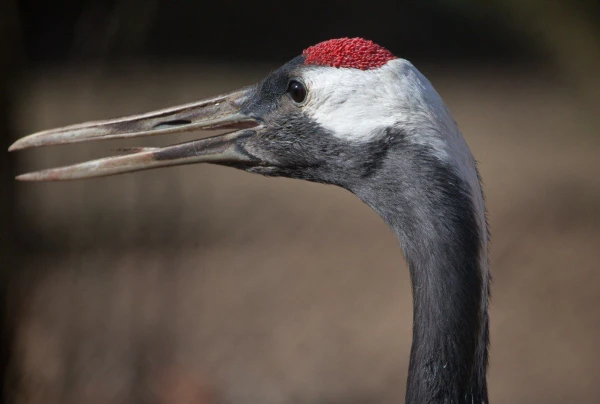
The Japanese crane, also known as the red-crowned crane, is no longer considered endangered. This was reported by The Japan Times, citing Japan's Ministry of the Environment.
In the national classification, its status has been downgraded from 'endangered' to 'Near-Threatened,' indicating a low risk of extinction for the species.
The Japanese crane inhabits Hokkaido Island. In the mid-20th century, its population sharply declined due to excessive hunting: in 1952, only 33 birds remained in the wild. Later, the situation improved thanks to many years of conservation measures, and now about 1,200 adult cranes live in the wild.
At the same time, the ministry reviewed the status of another rare species – the crested ibis. It was moved from the most critical category - 'critically endangered' to 'endangered' after the program to return the birds to the wild began to develop successfully on Sado Island.
Japan has been publishing a national list of rare and endangered species since 1991. It is usually revised approximately every five years.
Meanwhile, the total number of threatened species in the new edition of the list has increased: there are now 204. This is 22 more than before. Among the new species included in the list is the migratory bird, the black-bellied plover.