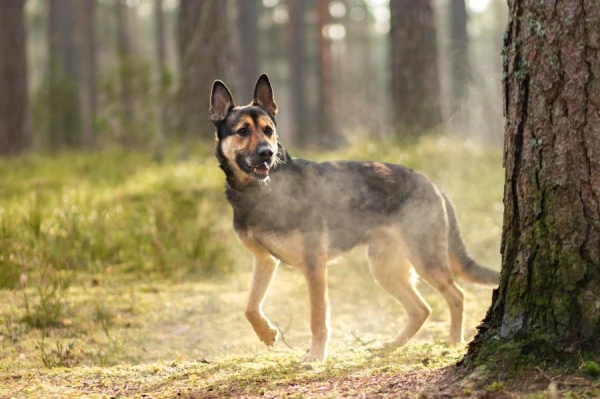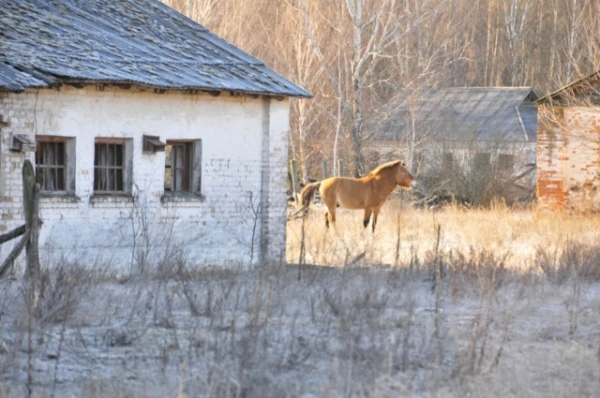
The Chernobyl exclusion zone, where people disappeared after the 1986 disaster and cities turned into ghost towns with abandoned cars and books on shelves, has become a unique natural experiment. Wolves here have not only survived despite the radiation — they have thrived. Their population is seven times higher than in neighboring Belarusian reserves.
Genetic analysis has shown that Chernobyl wolves are experiencing accelerated evolution in genome regions associated with anti-tumor immunity. They have not become immune to cancer, but they cope better with its consequences: natural selection has filtered out individuals unable to handle radiation exposure. The key factor in their success is not so much genetics as the absence of humans. Hunting, disturbance, and habitat fragmentation have disappeared along with the residents.
For wolves, the absence of humans has proven to be more important than the risk of oncological diseases. Scientists are now studying their genome in search of new therapeutic targets for cancer treatment in humans. Thus, Chernobyl, a symbol of technological disaster, has become a laboratory for evolution under pressure and an unexpected source of hope.