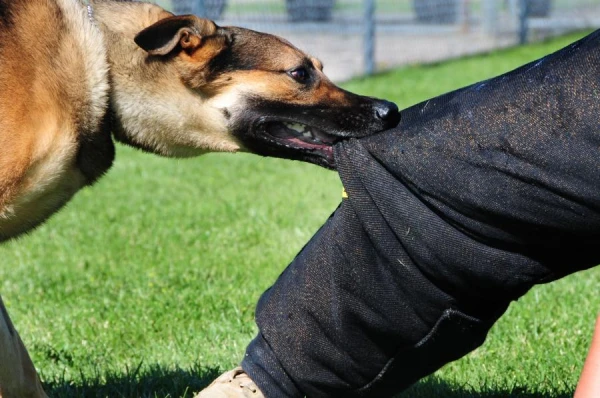
Although the dog is considered man's best friend, many people experience fear of these animals. This is not unfounded, as not all dogs show friendliness to strangers and can sometimes be aggressive. How can you tell if a dog is about to bite you?
Reasons for Dog Bites
Dog bites are often a signal that they are experiencing discomfort, stress, or feel threatened. It is important to be able to "read" warning signs and find appropriate solutions for each situation.
For example, you should not touch a sleeping dog, as it may become frightened and show aggression. A dog may also bite if you accidentally touch a painful area of its body. Older or sick dogs require more personal space, especially in new environments. However, in most cases, a dog bites only in extreme situations.
Here are some signs that indicate a dog may bite you.
The Dog is Growling
Growling is a sign of discomfort or a threat to the dog. Sometimes it may indicate an injury. If you notice that your pet has started to growl more often, it may be worth consulting a veterinarian. In any case, this is a signal that the dog is ready to bite!
What to do: assess the situation and try to understand what is causing the dog discomfort. If it is growling over a toy or guarding its food, do not attempt to take those things away from it. Make sure the dog is not in close contact with you. Gradually back away and give it time to calm down.
The Dog is Wagging its Tail to the Left
Many do not know that dogs wag their tails in different directions. This can be a sign of both joy and anxiety. It is important to observe the dog's tail closely. If it is stiff, held high, or tucked between its legs, and moving back and forth, this indicates anxiety. A relaxed dog holds its tail in a calm position, while wagging to the right indicates relaxation, and to the left indicates tension.
What to do: watch how the dog wags its tail. If it is happy, its movements resemble a dance. If the tail is still, it is better to give the dog more space.
The Body is Tense
A happy dog has a relaxed body and wags its tail, while an aggressive dog has the opposite body language. It is tense, with its tail down and tucked between its legs. If a dog is very angry, it may crouch slightly to protect its throat from a possible attack.
What to do: in this situation, it is better to exercise caution. Step back and give the dog space.
The Dog is Licking its Lips
When dogs experience discomfort, anxiety, or a threat, they may turn away, drool, or lick their lips. This is a clear sign that the dog may bite.
What to do: do not approach the dog, be cautious, and allow it to move away from you without pursuing it.