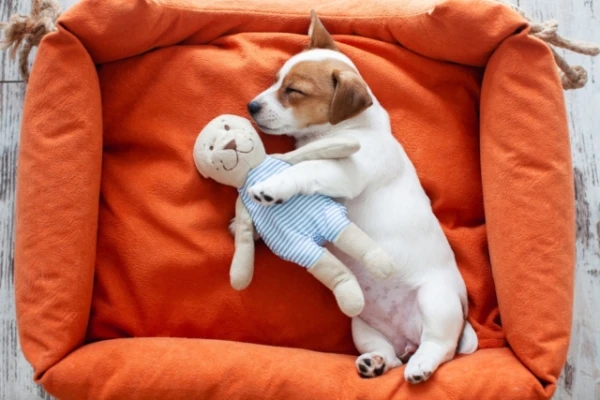
Dog toys should not only entertain the animal but also meet its natural needs and positively influence its behavior and well-being. This was stated by dog trainer V. Golubev.
According to the specialist, all dog toys can be conditionally divided into several main categories: chew toys, developmental toys, toys for chasing, and tugging toys. Each of them serves its purpose and is suitable for different situations.
Chew toys help satisfy a dog's need to gnaw on something. The expert recommends preferring products made from molded rubber or deer antlers. Such items can keep a pet occupied for a long time, reduce anxiety levels, and also contribute to gum massage and the removal of plaque.
Developmental, or "smart," toys are aimed at intellectual stimulation. Their principle is based on the fact that a treat is hidden inside, which the dog must retrieve on its own. According to the dog trainer, such products stimulate the animal's interest and help maintain mental activity.
Chasing toys allow dogs to preserve their hunting instincts. Suitable options include fuzz-free balls, flying discs, or tug toys. At the same time, the specialist noted that tug toys are not suitable for all dogs: they can be given to puppies, but it is important to ensure that the animal does not swallow the filler.
A separate group consists of tugging toys. They help develop physical fitness, skills, and grip strength. Most often, ropes with knots or balls are used for such games. However, during joint activities, Golubev emphasized the need to strictly follow safety rules.
To prevent the pet from getting bored with games, the dog trainer advises periodically removing some toys and replacing them with others. Each item should serve a specific function rather than just being a source of entertainment.