About what actions and how often should be taken to ensure cleanliness in your home and keep your health safe.
Time to Act
Dust
It is recommended to dust daily, as its particles can contribute to the development of allergic diseases. It is sufficient to wipe surfaces with a damp cloth. If it is not possible to do this as often, then it is advisable to perform wet cleaning every two to three days.
Chandelier
The chandelier should be cleaned at least once every two months to avoid dust accumulation.
Tip: To reduce the amount of dust and the frequency of wiping, special anti-static agents can be used once a week. They will help not only to remove dust but also fingerprints and other contaminants, as well as polish.
Bathrooms
A thorough cleaning in the bathroom is recommended at least once every one to two weeks. The areas that are used most often — the sink, toilet, and bathtub — should be cleaned at least once a week.
The laundry basket should be disinfected once a week. It collects dirt and small debris, creating ideal conditions for bacteria to breed and unpleasant odors to appear.
Appliances
The microwave and oven should be cleaned inside at least once a week. Outside — as dust accumulates or once a week. The kettle should be descaled every month.
Kitchen
Once every one to two weeks, it is advisable to take out dishes and cutlery from the drawers to wipe the shelves inside. It is recommended to clean the extractor hood, kitchen cabinet doors, and drawers once a week to avoid grease buildup. Food stains should be cleaned immediately after they appear.
Floor
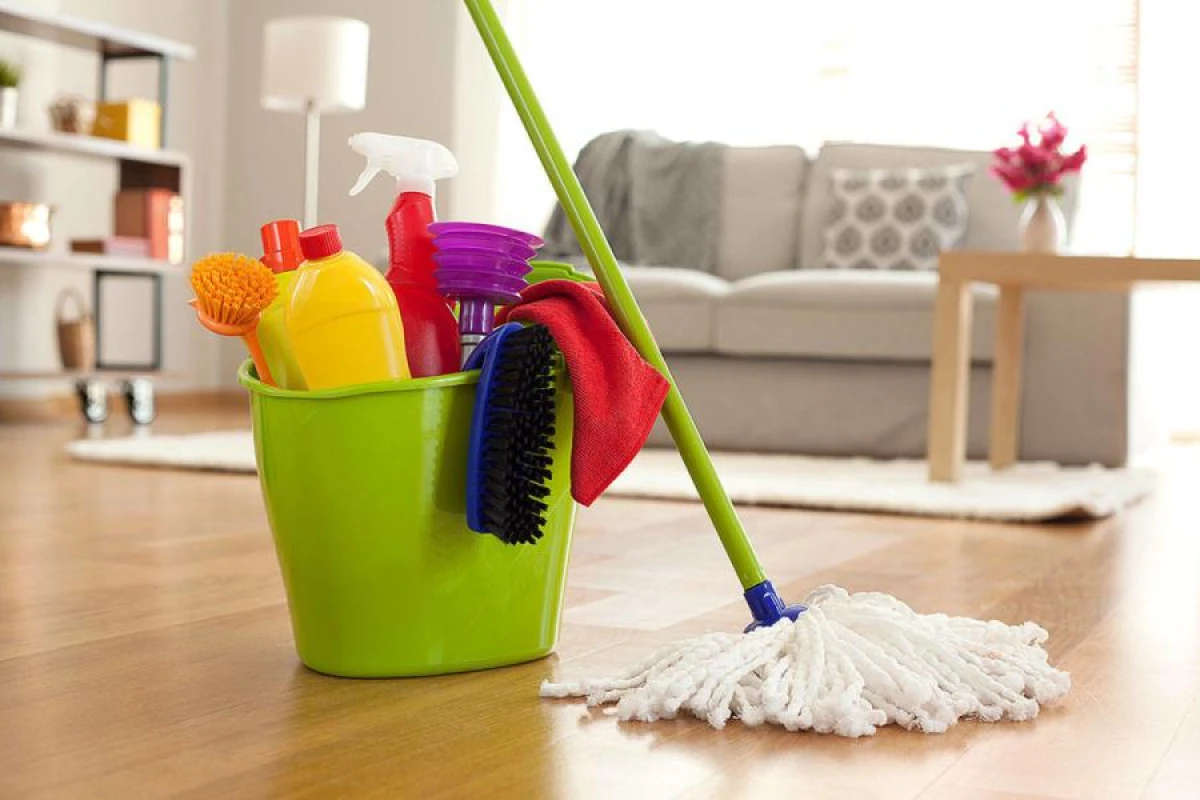
Vacuuming and mopping the floors should be done at least once a week. Carpets should be vacuumed once a week and washed once every two to three months.
Furniture
Cleaning upholstered furniture and mattresses should ideally be done at least once every six months (it is recommended to contact professionals with specialized equipment). In the presence of visible stains — as they appear.
“Uninvited Guests”
Unfortunately, insects can appear even in homes where cleaning is done regularly. Most uninvited “neighbors” can be seen with the naked eye and the problem can be quickly resolved. However, dust mites are difficult to notice...
They Don’t Bite or Attack
— The sizes of these mites range from 0.1 to 0.5 mm, — explains entomologist Natalia LYUTSKO. — Usually, the search for these “tenants” begins after the onset of allergies caused by sensitivity to household dust.
Dust is a complex of allergens, including library dust, fragments of feathers, pet hair, human epidermis, and much more. All of this can cause allergic diseases, but the main household allergens are indeed dust mites. They do not attack humans, do not bite, and do not drink blood.
Prefer Warmth and Moisture
The optimal temperature for dust mites is 20–25°C, and humidity should exceed 60%. When the humidity drops to 50–40%, the entire population dies within 5–10 days. Thus, combating high humidity in the home is the first condition for fighting dust mites. In this regard, regular dry vacuuming and no more than once a week wet cleaning is preferable.
Dust mites inhabit upholstered furniture, sofas, mattresses, and carpets. They feed on flakes of human epidermis, which accumulate in large quantities on bedding. Therefore, frequent changing of bed linen (once a week), ironing bedding with a hot iron, and prolonged exposure to frost or direct sunlight — all contribute to the destruction of mites and disrupt their habitat.
Be Careful with “Chemicals”
Special chemical agents for combating mites that inhabit household dust are unnecessary expenses. Even dead mites, let alone their waste products left in the bed, continue to be allergens. Moreover, many modern chemical insect and mite control products are unsafe for human health, especially for allergy sufferers.