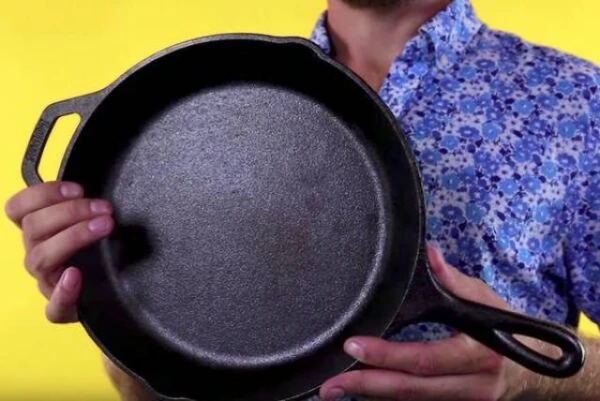
Cast iron cookware is not just a grandmother's legacy, but one of the smartest purchases. It heats up well and retains heat for a long time. Cast iron is virtually indestructible, but there are five mistakes that can lead to unpleasant consequences.
Cast iron is a metal that heats slowly and retains heat for a long time. It is perfect for frying, stewing, and slow cooking. Dishes such as casseroles, roasts, and porridge turn out especially delicious in cast iron cookware. Cast iron is resistant to corrosion and temperature fluctuations, and the iron it leaches into food can be beneficial for anemia. A cast iron skillet can last you a lifetime if you use it correctly. Check if you are making these mistakes.
Not Preparing the Skillet Before Use
Preparing a cast iron skillet is key to its non-stick properties. However, maintaining them requires effort. How to do this? Prepare the skillet for the next use immediately after finishing the previous one.
After you carefully wash it with soap and thoroughly dry it, wipe the surface with a paper towel soaked in half a teaspoon of oil (such as avocado oil, rice bran oil, grape seed oil, or sunflower oil). Then place the skillet on the stove over high heat. Continue heating until smoke appears, after which wipe it down again and let it cool. Before the next cooking session, allow the skillet to heat on the stove for 10 minutes before adding ingredients.
Cleaning Cast Iron with Soap
You have probably heard that you should not wash a cast iron skillet with soap, or you will wash away all the oils! This is only partially true. Yes, excessive cleaning or soaking of cast iron is a common mistake. However, it is important to remember that the oil on a cast iron skillet is not just oil. It is a layer of polymerized fat that has adhered to the surface, and a few drops of dish soap will not be able to remove it.
If you never wash the skillet with soap, bacteria can proliferate on it. A little washing with a soft sponge is fine. But do not scrub burnt food; instead, use a gentle abrasive, such as coarse salt or a non-metal brush.
Soaking Cast Iron in Water
Cast iron cookware should not be allowed to sit in water. Even after washing, try to minimize contact with water and thoroughly wipe it down with a paper towel after washing. After drying, coat it with a small amount of vegetable oil and repeat this every time.
Cooking Acidic Foods
You have probably heard that cooking with acidic ingredients is harmful to cast iron, as it can spoil the taste of the food. This is partly true. But, as with washing, cast iron is actually more resilient than we think. The only thing your food should interact with is the polymerized oil on the skillet's surface.
If you have properly prepared the skillet, it is fine to cook acidic dishes carefully. However, the general recommendation is to avoid slowly simmering Bolognese sauce or adding lemon juice or a bit of wine if you are not confident in the proper preparation of the cast iron cookware.
Misconception About Even Heating of Cast Iron
Cast iron retains heat well, but it is a misconception that it heats evenly. Unlike stainless steel cookware with aluminum coating or anodized aluminum with a non-stick layer, cast iron heats extremely unevenly.
Avoid using cast iron when cooking anything delicate, such as fatty fish. To heat cast iron more evenly, move the skillet around on the cooktop to warm the entire surface more quickly.