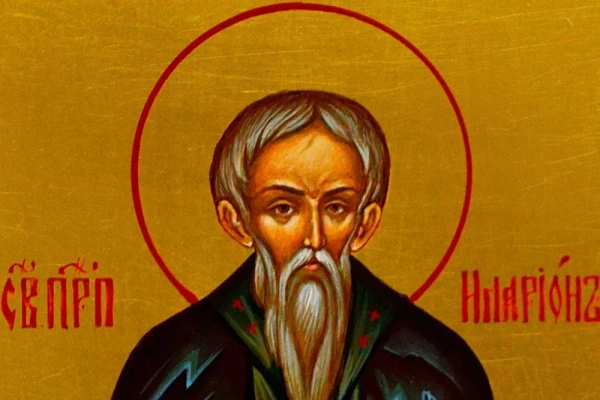
On February 17, the Orthodox Church commemorates the memory of the Venerable Abbot Nikolai Studite, who lived in the 9th century. Possessing the gift of healing, he helped people cope with spiritual and physical ailments. In the folk calendar, this day is known as Nikolai Studenyy. Our ancestors treated anemia, created amulets, and divined about the weather for the coming days.
On February 17, believers gather in churches to honor the memory of Abbot Nikolai Studite, also known as Nikolai the Confessor, who entered the history of Orthodoxy due to his gift of miracles received from Jesus Christ.
The saint, who lived during the reign of the Byzantine Emperor Leo the Armenian, faced persecution for his loyalty to the Orthodox faith. In Constantinople, at the turn of the 8th and 9th centuries, he healed the suffering. His God-given gift did not fade even after his martyrdom.
Folk Calendar: Nikolai Studenyy
In the folk tradition, the holiday dedicated to the abbot of the Studite Monastery was known as both “Nikolai Studenyy” and “Wolf's Suitor,” as well as simply “Nikolai.” On this day, people would go to church to pay tribute to the saint and ask for protection for their families from various troubles, including illness, financial difficulties, and conflicts between spouses.
This day was considered dangerous. At this time, wild animals emerged from the forest, hungry and ready to attack people and domestic animals. Therefore, on Nikolai Studenyy, incantations were read to avoid encounters with wild animals. There was a belief that on this day one could attract money: for this, a wallet with banknotes was placed under the pillow before sleep. Healers treated ailments such as anemia, stomach pains, and general weakness on this day.
What Can Be Done on Nikolai Studenyy
The folk holiday dedicated to Saint Nikolai Studite was to be celebrated at home. People engaged in everyday activities: men checked agricultural tools and cleared snow in the yard, while women took care of the household.
The severe frost that usually accompanied Nikolai Studenyy could harm domestic animals and birds. To prevent illness, they were well-fed. Fearing wolf attacks, people made amulets that were hung in yards, chicken coops, barns, and homes.
Nikolai Studenyy: Folk Omens
The main symbol of Nikolai Studenyy was the omens related to the weather. Peasants knew that if fog appeared on this day, a thaw would soon follow. Mice could also “inform” about the upcoming warming.
If rodents began to run around the yard on Nikolai Studenyy, ancestors sighed with relief, as the frosts had already worked hard on people. The howl of wolves was considered a sign of sharp cooling. If it was heard on the outskirts of settlements, it meant that the frosts were approaching.
Nikolai Studenyy: What Not to Do
One of the main prohibitions was to go on long trips. Due to the frosts, people were afraid to leave their homes. They also did not go into the forest without necessity, and if they did, it was only in company. In ancient times, on Nikolai Studenyy, it was forbidden to:
Go outside after sunset — it leads to great troubles.
Cut hair, wash, trim nails and hair — it can shorten one's life.
Be envious, quarrel, or offend elderly people — it leads to illness.
Approach stray dogs — it can attract dark forces.
Rejoice and make noise without reason — it leads to loss of money.