

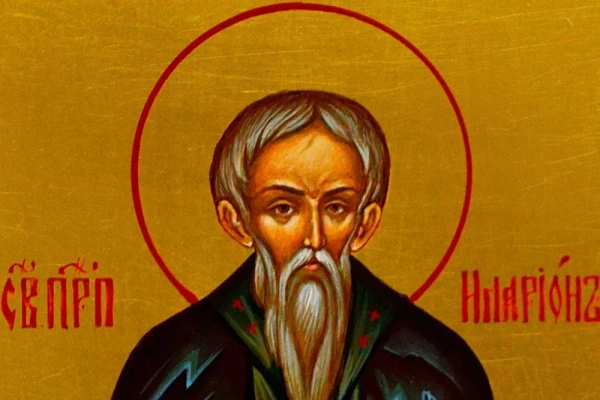
On February 8, Orthodox churches remember St. Theodore the Studite, the abbot of a 9th-century monastery. In the folk calendar, he is called Fedor Studit or Fedor Pominalnik. Our ancestors knew: on this day, it is customary to remember the deceased, cook peas, and watch the windows.
On February 8, Orthodox Christians honor St. Theodore the Studite, a Byzantine monk, ascetic, and church figure. He was born on January 26 (February 8 in the new style) in the year 759 in Constantinople.
Father Theodore was engaged in tax collection for the king, and the family had everything necessary to provide their son with a decent education. In 782, his parents decided to take monastic vows and establish a monastery on their estate. Thus, Theodore became a monk.
His entire life was dedicated to serving the Orthodox faith. As a devoted follower of the Almighty's commandments, he opposed the divorce of Emperor Constantine VI, who decided to enter into a new marriage. For this, he was exiled.
After returning from exile, he headed the Studite Monastery, where his relics now rest. St. Theodore the Studite wrote many useful books and performed numerous miracles, both during his lifetime and after his death, including healing people and extinguishing fires.
Folk Calendar: Fedor Studit
In ancient times, the holiday dedicated to the Byzantine monk was called: “Fedor Studit,” “Fedor Pominalnik,” “Fedor's Day,” or simply — “Fedor.” In some regions, this event is still referred to differently: “Fedor Zastolnik,” “Zametukha,” “Pea Day.” In general, however one pleases.
What to Do on Fedor's Day
Our ancestors knew: on the day of Fedor Pominalnik, the souls of deceased relatives begin to remember their past lives and long for them. Having left the afterlife, they wander the earth in search of their loved ones.
To calm the souls of the departed, ancestors would go to church in the morning, where they would submit memorial notes, light candles, pray for the repose, and prepare a memorial table.
On Fedor's Day, it is customary to visit the cemetery. This can be done not only on Parent Saturdays but also on other established Orthodox dates.
On the feast day of St. Theodore the Studite, the sick and infirm turn to the saint for help, asking for healing. It is believed that the saint helps in the struggle against inner passions and the machinations of dark forces. In prayers, one can ask for assistance in studying sciences and strengthening family ties.
Folk Omens: Fedor Studit
Our ancestors knew: “Fedor Studit the earth.” Usually, it was cold on this day. There was another omen that was considered the most accurate: how this day would be — so would spring be.
To learn the truth about the weather on the day of Fedor Studit, one should cast lots with peas. If dry peas, falling onto a plate, roll with a clatter, it is worth dressing warmly — frosts are ahead. If the peas are silent, quiet snowfalls are expected.
The elders knew: the weather could be foretold by the tits. If they began to cry in the morning — it would be cold. If the firewood crackles and the stove hums — a snowstorm is coming.
Fedor Pominalnik: What Not to Do
The folk holiday has many mystical omens. For example, our ancestors believed that if one looks in the mirror for a long time on Fedor Studit, one might see the otherworld or evil spirits. Few wanted to encounter malevolent spirits, so mirrors were hidden on this day. During this time, it was also forbidden to:
Cook dishes with potatoes — they will negatively affect the stomach. However, pea porridge will be just right.
Rejoice, dance, sing — one will have to cry for a long time afterward.
Quarrel with neighbors — restoring good relations will be difficult.
Let stray cats into the house. Beneath their appearance may hide evil forces.
Start any new ventures — they are unlikely to succeed. Anything related to novelty is better postponed for another time.
Remain alone — it may last for a year.
Open windows — evil spirits may enter the house. If the windows must be opened, thistles were hung, which, according to omens, drive away unclean forces.
By the way, windows were not opened also out of fear that the souls of the deceased might enter the house and disrupt the usual life.
There were other prohibitions as well. For example, the elders believed that on Fedor Studit, girls should not meet young men, no matter how attractive they were. Beneath their appearance may also hide evil spirits.













Leave a comment