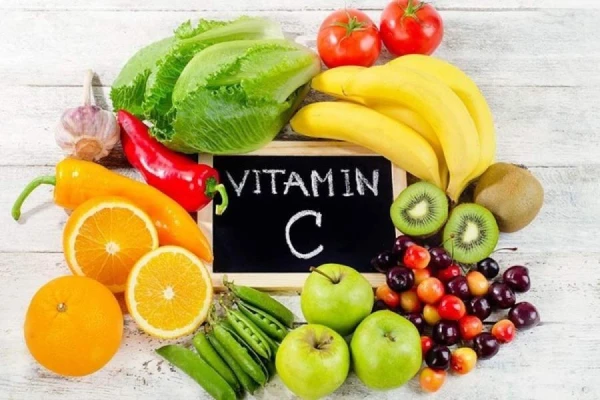
Vitamin C is a powerful antioxidant that helps slow down aging, supports the immune system, as well as heart and vascular health. To avoid its deficiency, it is worth diversifying your diet with certain products. Interestingly, oranges are not on this list.
Vitamin C plays a key role in the human body, regulating numerous biochemical processes. It actively participates in the synthesis of collagen — the main structural protein of connective tissues, which supports the health of the skin, blood vessels, and bones. This vitamin helps slow down aging, improves the healing of damaged tissues, prevents the development of atherosclerosis, as well as strengthens the immune system and enhances performance. Moreover, vitamin C is an important defender of the immune system in the fight against viruses, as reported by Doctorpiter.
“It is quite difficult to determine a vitamin C deficiency through tests. However, there are several specific symptoms that should raise your concern — perhaps your body lacks this vitamin,” notes endocrinologist Dilyara Lebedeva.
The first sign to pay attention to is bleeding gums.
The second symptom is loose teeth and exposure of their necks.
The third alarming sign is the appearance of bruises without an apparent cause.
The fourth sign is slowly healing wounds.
And the fifth alarming signal is frequent colds and ARVI.
Where is the most vitamin C found?
You can replenish your vitamin C levels by changing your diet. There are also special supplements, but they should not be taken without a doctor's prescription — this can lead to undesirable consequences.
According to Dilyara Lebedeva, the highest amounts of vitamin C are found in:
* dried rose hips — 1200 mg per 100 g of product;
* fresh rose hips — 470 mg per 100 g of product;
* sweet pepper (red) — 250 mg per 100 g of product;
* black currants — 200 mg per 100 g of product;
* sea buckthorn — 200 mg per 100 g of product;
* fresh parsley — 150 mg per 100 g of product.
“I want to warn you that all ascorbic acid and vitamin C sold in pharmacies are supplements that you need to a lesser extent. If the packaging does not specify the form of the vitamin and its source, it is likely a low-quality product,” emphasizes the endocrinologist.
What amount of vitamin C is necessary for an adult per day? There is no single answer here, as it all depends on individual needs. According to scientists, the norms can vary.
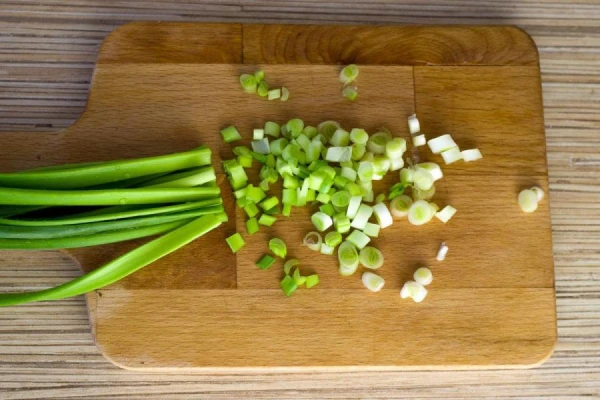
By the way, vitamin C is also abundant in dill, sea buckthorn, Brussels sprouts, white cabbage, cauliflower, potatoes, tomatoes, apples, pineapples, and citrus fruits.
How to preserve vitamin C in foods during cooking
To preserve the beneficial properties of foods, follow these recommendations:
1. When cooking, cover the pot and pan with a lid. When exposed to oxygen, foods lose vitamin C twice as fast.
2. Add foods to already boiling water. The longer they cook, the more vitamin is lost.
3. When boiling, add a little vinegar. In an alkaline environment, vitamin C breaks down faster than in an acidic one.
4. Do not use iron or copper cookware, spoons, or ladles for cooking: the metal surface of utensils contributes to the destruction of the vitamin.