
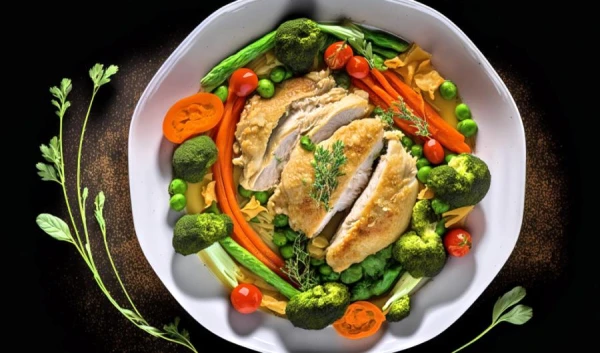
Experts discuss how much protein should be consumed daily and how to properly calculate its amount.
Balanced nutrition contributes not only to maintaining physical shape but also ensures vigor throughout the day. Proper distribution of macronutrients—proteins, fats, and carbohydrates—is the key to a successful day. How to calculate the necessary amount of protein to maintain activity was determined by the kiz portal with the help of nutritionists. In fact, it is not that difficult.
Why it is important to get enough protein
Protein is the main building material for the body, necessary for the normal functioning of all organ systems.
According to nutritionist and Doctor of Medical Sciences Cynthia Sass, protein plays a key role in maintaining hormonal balance, the functioning of enzymes, immune system cells, as well as in the condition of skin, hair, muscles, and other tissues. Furthermore, Sass emphasizes that this macronutrient is important for recovery after physical exertion, as it "repairs" damaged muscle fibers.
A deficiency of protein can lead to loss of muscle mass, thinning of nails and hair, as well as weakening of the immune system. Nutritionist and Doctor of Medical Sciences Alex Caspero notes that a person needs to get their protein norm. He explains that the body can absorb 15 to 25 grams of protein per meal for muscle nutrition, while the remaining part is broken down into amino acids and used as an energy source.
How much protein is needed per day
Opinions among nutritionists about the exact calculation of the necessary amount of protein vary. According to the U.S. National Institutes of Health, the minimum norm is 0.79 grams of protein per kilogram of body weight.
However, many specialists argue that this amount is insufficient for muscle recovery and growth, as well as for reducing the risk of injuries and prolonged feelings of satiety, explains nutritionist Molly Kimball.
Protein consumption is influenced by various factors such as physical activity level, lifestyle, and age. There are several unwritten rules regarding the calculation of protein norms:
The more active a person is, the more protein they need. With a less active lifestyle, the need for constant muscle fiber recovery decreases.
6 really important facts about protein
As we age, the body begins to experience certain malfunctions. Studies show that older adults require more protein to maintain normal organ and muscle functions. Specialists note that people over 50 who consumed twice the amount of protein established by the National Institutes of Health demonstrated better results in walking and physical activity.
With regular training (both strength and cardio), a person needs more protein. One can calculate their norm based on the goals they set in sports. To build and maintain muscle mass, the optimal norm is 1.65 grams per kilogram of body weight. Sass recommends evenly distributing protein intake throughout the day. When working on glute muscles, nutritionists advise aiming for 1.65 to 2.2 grams of protein per kilogram.
The minimum amount of protein necessary for a person, according to specialists, is 1.1 grams per kilogram of body weight. This amount will ensure the body's vital functions and protection against viruses and other external factors, regardless of lifestyle and activity level.
To evenly distribute protein intake across all meals, specialists recommend including the following dishes in the diet:
* for breakfast — omelet, avocado, Greek yogurt;
* for lunch — salad with chicken or turkey with a side dish;
* for dinner — lean fish, beans, cheese;
* as a snack — cottage cheese.
Healthy recipes for a protein dinner
Chicken with Apples

Ingredients:
4 teaspoons of extra virgin olive oil;
8 chicken thighs, boneless and skinless;
1 teaspoon of salt, divided;
½ teaspoon of freshly ground black pepper;
½ cup of apple cider;
2 teaspoons of Dijon mustard;
3 medium firm sweet apples, cored and sliced;
2 teaspoons of chopped fresh rosemary, plus extra for serving.
How to prepare
Heat two teaspoons of vegetable oil in a large skillet over medium heat. Evenly sprinkle the top of the chicken with ½ teaspoon of salt and ¼ teaspoon of pepper. Once the oil is hot, place the thighs in the skillet skin-side down. Cook for four minutes, then flip and cook until the meat is cooked through (another 3-4 minutes). Transfer to a plate and cover with foil to keep warm.
In a small bowl or large measuring cup, mix the apple cider and mustard. Thoroughly wipe out any excess fat from the skillet with a paper towel. Add two teaspoons of vegetable oil.
Once the oil is hot, add the apple slices, ½ teaspoon of salt, ¼ teaspoon of pepper, and rosemary. Sauté for five minutes until the apples are slightly soft and begin to brown.
Return the chicken to the skillet and pour the cider mixture over the top. Simmer for 4-5 minutes until the liquid is reduced by half. Serve warm, optionally garnished with chopped rosemary.
Crispy Fish with Peas in Cream Sauce
Ingredients:
3 tablespoons of chopped fresh herbs (green onions, mint, basil, dill);
2 tablespoons of Greek yogurt or sour cream;
2 tablespoons of sour cream;
a pinch of salt and ½ teaspoon of salt, divided;
½ teaspoon of ground pepper;
600 g of white sea fish (cod, haddock, pollock), cut into portions;
2 tablespoons of white whole grain flour;
½ kg of green peas or green beans, thawed.
How to prepare
In a small bowl, mix the herbs, yogurt, sour cream, a pinch of salt, and ¼ teaspoon of pepper. Set aside.
Remove excess moisture from the fish with a paper towel and sprinkle with ½ teaspoon of salt and ¼ teaspoon of pepper. Dredge in flour.
Heat a tablespoon of vegetable oil in a large skillet over medium heat. Add the fish and cook, turning occasionally, until lightly browned on all sides and cooked through (about four minutes). Transfer to a plate.
Add another tablespoon of vegetable oil to the same skillet and add the peas or green beans. Cook until bright green and tender. For peas, this will take about 1-2 minutes; for green beans, up to five minutes.
Serve the fish with peas and sauce.
Chicken in Lemon-Garlic Sauce with Green Beans
Ingredients:
½ kg of chicken fillet;
1 teaspoon of salt;
½ teaspoon of ground pepper;
2 tablespoons of extra virgin olive oil;
6 cups of green beans;
4 cloves of garlic, thinly sliced;
1 teaspoon of grated lemon zest;
1 teaspoon of chopped fresh thyme and leaves for garnish;
¼ cup of unsalted chicken broth;
¼ cup of dry white wine;
1 tablespoon of lemon juice;
¼ cup of toasted favorite nuts;
lemon wedges for garnish.
How to prepare
Sprinkle the chicken with ½ teaspoon of salt and ¼ teaspoon of pepper. Heat a tablespoon of vegetable oil in a large skillet over medium heat. Sauté the chicken, turning once, for 3-4 minutes on each side. Transfer to a plate.
Add another tablespoon of vegetable oil and the green beans to the skillet. Sprinkle with ½ teaspoon of salt and ¼ teaspoon of pepper and cook, stirring occasionally, until tender-crisp, about two minutes.
Add the garlic, lemon zest, and thyme. Cook, stirring, for about a minute. Pour in the broth, wine, and lemon juice, and return the chicken to the skillet. Cook, stirring occasionally, until the liquid is reduced by half—about another minute.
Serve, garnished with nuts, thyme, and lemon wedges (if desired).
These recipes can be adapted to your preferences by adding salt and pepper to taste, increasing the amount of vegetables, using full-fat or low-fat cottage cheese, etc.
Enjoy your meal!









Leave a comment