
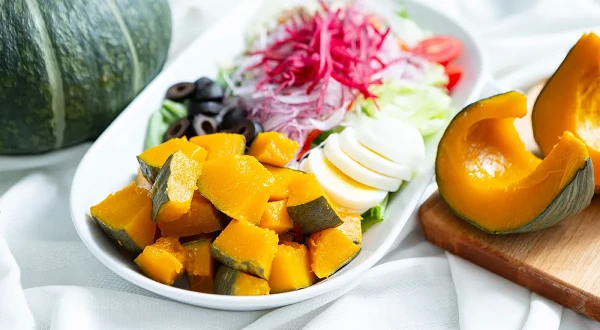
Pumpkin reveals its flavor differently in casseroles, soups, and desserts. But there are dishes where boiled flesh is specifically needed. It may seem that this is simple. However, to preserve the tender texture and emphasize the vegetable's flavor, it is important to know a few culinary tricks.
Like many vegetables, pumpkin can be eaten raw. Sometimes this is even appropriate if it needs to be added to a salad or some appetizer according to a recipe. But this is more of an exception — eating pumpkin raw is not very pleasant. However, in soups, baby purees, and other dishes, boiled pumpkin begins to play a leading role.
Boiling not only softens the tough fibers of the pumpkin, making its texture softer and more tender, but it also enhances the vegetable's flavor. After heat treatment, all grassy notes disappear, and the pumpkin acquires a delicate flavor nuance. Boiled pumpkin is very well absorbed — no wonder that it is recommended in many dietary schemes by nutritionists. It is also hard to imagine baby food without pumpkin puree from boiled pumpkin — the vegetable is rich in beneficial substances, and mothers include it in their diets among the first.
Benefits of Boiled Pumpkin
The flesh of boiled pumpkin is rich in vitamins A and E, B vitamins, as well as potassium, magnesium, iron, and fiber. Regular consumption of boiled pumpkin improves vision, skin condition, and strengthens the nervous system. There is good news for those who are watching their figure: there are only 25–30 kcal in 100 g of boiled pumpkin.
Pumpkin does not irritate the stomach walls; its soft texture and tender fiber make it indispensable for baby and dietary nutrition. Babies will enjoy puree made from sweet varieties of pumpkin just as much as fruit puree.
How to Prepare Pumpkin for Boiling
First of all, you need to choose the "right" pumpkin. For boiling, it is better to use varieties that have a sweet taste and bright orange flesh, such as butternut squash. The pumpkin needs to be peeled, but this is not always easy, especially if it is a large pumpkin from the garden that can be stored all winter — the skin of such a vegetable is very hard.
If the skin is thin, use a vegetable peeler. For peeling a pumpkin with a thick skin, use a large knife, preferably a chef's knife with a wide blade — a small knife can easily cause injury. Cut the pumpkin in half first, and then into quarters. If the skin is very thick, cut the pumpkin into wedges and carefully peel the skin off from them. Remove the fibers and seeds, cut the flesh, and cook according to the recipe.
How to Cut Pumpkin
The shape and size of the cut depend on what you need the boiled pumpkin for. The main thing is to keep the size uniform so that the pieces cook at the same time.
You can cut the flesh of the pumpkin into cubes measuring 2–3 cm — this option is almost universal, suitable for many soups, purees, and side dishes.
Large wedges are suitable if you plan to steam the pumpkin or use it for a salad.
If you are going to boil pumpkin for baby puree, cut it into small cubes or grate it — it will cook faster and retain most of the beneficial substances.
How to Boil Pumpkin in a Pot
Cut the peeled flesh into cubes. Place them in a pot and cover with boiling water so that the water just slightly covers the pieces. Put it on the heat. Bring to a boil, reduce the heat to low, and cook for about 15 minutes.
How to Boil Pumpkin in a Slow Cooker
In this appliance, you can cook fairly large pieces of pumpkin. Place them in the bowl, cover with water or milk (the liquid level should be just slightly above the upper boundary of the vegetables). Select the "stew" or "soup" mode. Cook for 20–25 minutes.
How to Boil Pumpkin in a Steamer
Cooking pumpkin this way means preserving all the benefits of the vegetable. Moreover, after steaming, the pumpkin will have the most intense flavor. Place the pumpkin cubes on the steamer rack, turn on the appliance, and cook the pumpkin for 25–30 minutes.
How to Boil Pumpkin in a Microwave
This method is the simplest and fastest. Cut the pumpkin into cubes, place them in a microwave-safe container with a lid. Add 2–3 tablespoons of water. Cover and cook on maximum power for 7–10 minutes.
Ideas for Dishes with Boiled Pumpkin
Pumpkin cream soup is a true classic. There are many variations of its preparation, and the dish can be improved each time. Boiled vegetables are added to cereals: rice, millet, or oatmeal. Pumpkin will add color and sweetness to them.
Cooks love pumpkin puree as a side dish for meat, fish, or poultry, make sauces based on it, or add the vegetable to salads and appetizers. And if you combine pumpkin with cream and various spices, you will get an excellent homemade dessert.
If you need to add pumpkin to a child's diet, but the child resists, you can successfully "disguise" it in muffins, pies, casseroles, and cheesecakes. Boiled pumpkin retains its benefits and, thanks to its neutral taste, does not change the usual flavor of dishes.
How to Enhance the Flavor of Boiled Pumpkin
If you are boiling pumpkin for sauces, soups, or as a side dish, season it with salt, pepper, garlic, ginger, thyme, and rosemary. If you want to serve it as a side dish, add a little sugar, honey, cinnamon, vanilla, or grated orange zest while boiling.
How Long to Boil Pumpkin
In a pot, pumpkin cooks for 15 minutes after boiling. In a slow cooker on the "stew" or "soup" mode, as well as in a steamer, it takes about 20–25 minutes. The fastest way to boil pumpkin is in the microwave — 7–10 minutes.
How to Determine Pumpkin Readiness
The cooked pumpkin flesh can be easily pierced with a knife or fork. With a light press, a piece can be easily mashed into puree. Try not to overcook the pumpkin, especially if you plan to use it for salads.
How to Remove Thick Skin from Pumpkin
If the skin on the piece of pumpkin is very hard, send it to the microwave for 2–3 minutes. The skin will soften slightly, making it easier to remove.
Why Pumpkin Tastes Bitter After Boiling
Typically, vegetables taste bitter due to a lack of moisture during ripening. Bitterness in pumpkin can be beneficial. It indicates a high content of the organic compound cucurbitacin, which has antimicrobial, antitumor, and anti-inflammatory properties. Usually, during heat treatment, some of the bitterness dissipates.
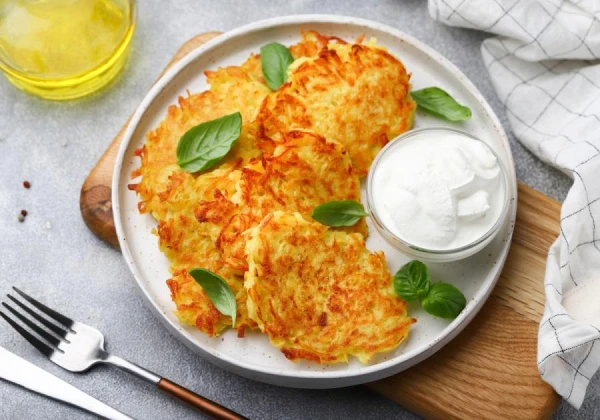
However, if the pumpkin is very bitter, it is better not to boil it but to bake it, sprinkled with grated garlic and aromatic herbs. You can also make pancakes from such pumpkin — the other ingredients will neutralize the unpleasant aftertaste.







Leave a comment