
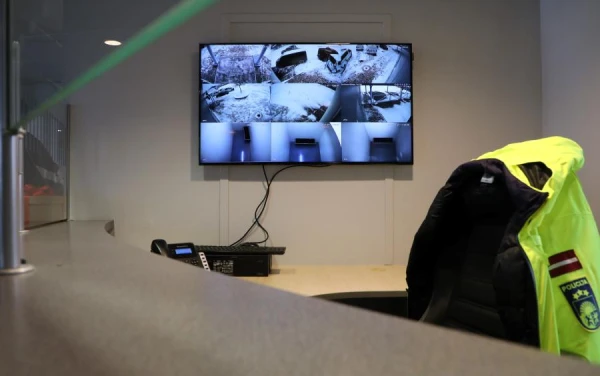
Last year, 43% of all calls to the number 112 were not related to emergency situations, which is a significant increase compared to the previous year when such calls accounted for 27%, said Victoria Griibuste, a representative of the State Fire and Rescue Service (SEMS), to the LETA agency.
Over the past two years, approximately 1.2 million calls have been made to the number 112 annually. Despite the increased recognition of the number among Latvians, data shows that a significant portion of calls are still made in situations that are not considered emergencies, thereby hindering assistance to those who truly need it.
For example, calls were made regarding water leaks in apartments, broken pipes, power outages, or issues with electric meters. People called to order a taxi or to take someone home.
There were also instances where children pressed the 112 combination or the 'Emergency Call' button while playing. This often happened with phones without SIM cards that were given to small children for entertainment.
Some used the number 112 to find out what time it was, what the date was, what rules apply in a specific situation, how to fill out an agreed accident notification, or to inquire about the phone number of an institution.
The number 112 was also used to contact a hospital or clinic — to find out a patient's condition or which hospital they were taken to, as well as to ask for help in opening a door when keys were lost.
There were also calls regarding animals in unusual environments, but without a threat to their lives — for example, seals on the beach, motionless birds on the ice, or a cat in a tree.
In other cases, the functionality of the 'eCall' (eZvans) was checked, or people called to complain, vent emotions, or inquire about the status of their application, including questions about the arrival time of the crew, Griibuste explained.
According to a study commissioned by the State Emergency Medical Service (SEMS), the recognition of the unified emergency number 112 in Latvian society continues to grow. In 2025, 93% of Latvia's residents were able to name 112 as the number to call in emergencies without prompting — this is 2% more than in 2024.
Also, in recent years, understanding of the correct order of providing information has improved: where and what happened. However, this is still not enough — only every second person can clearly and correctly provide the necessary information and answer additional questions from the dispatcher. Among younger respondents, the results are better — two-thirds can name everything in the required order.
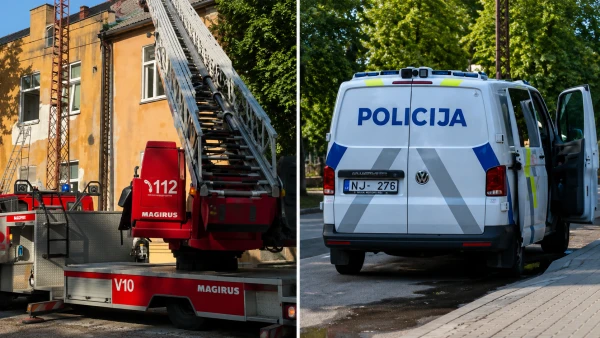
In connection with the Day of the 112 Number, SEMS urges residents to strengthen their knowledge of its significance and use it responsibly. It is important to remember that calls to 112 should only be made in cases where immediate assistance from emergency services — the State Fire and Rescue Service, the State Police, or the Emergency Medical Service — is needed in the event of a threat to life, health, the environment, or property.
Griibuste also reminded that this year marks two years since the launch of the '112 Latvia' app, however, it has been downloaded by just over 140,000 residents of Latvia. The app allows not only to contact the 112 center but also to receive information on actions to take in various threats and the locations of public shelters.
Throughout February, representatives of SEMS will conduct classes in educational institutions and meet with organizations for the elderly to educate them on these issues.



Leave a comment