Political levers have made the country's companies beneficiaries.
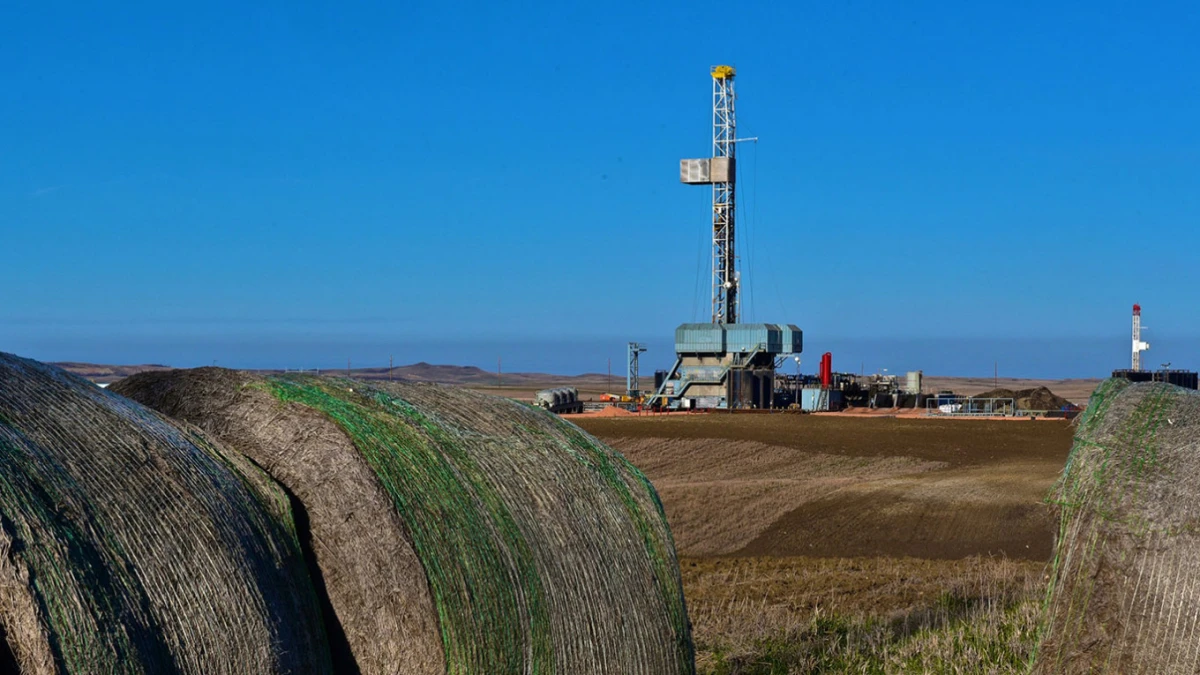
The United States has taken the lead in the world in terms of oil and petroleum product exports, surpassing traditional leaders Saudi Arabia and Russia. According to Reuters, citing data from the Vortexa service, American exports reached approximately 10.5 million barrels per day in May, while Russia supplied about 7 million and Saudi Arabia 5.9 million barrels. Thus, the U.S. has maintained its leadership for the third consecutive month. For comparison, in 2025, Saudi Arabia exported 8.1 million barrels per day, the U.S. 6.6 million, and Russia 5.8 million.
The sharp increase is explained by two factors. First, the U.S. war with Iran has effectively paralyzed the Strait of Hormuz and disrupted Saudi oil supplies. Second, Russian exports are declining under the pressure of Ukrainian attacks and Western sanctions imposed after the invasion of Ukraine. "Washington has gained a new tool, of which they were not even aware before the war with Iran — energy exports," noted Michelle Buchard, head of policy at Kpler.
The U.S. emergence as a leader marks a sharp turnaround for a country that had depended on Middle Eastern oil for decades and suffered significantly from the oil embargo of 1973. The situation began to change after 2010, when production from shale fields surged. In 2015, Washington lifted a 40-year ban on oil exports, and in just a decade, the country transformed into the largest exporter, disproving skeptics' forecasts about the short-term nature of this boom.
The main beneficiaries of the closure of the Strait of Hormuz have been American energy companies, acknowledged Igor Sechin, head of Rosneft and a close associate of Vladimir Putin. European countries, which previously welcomed the increase in American exports as an alternative to Russian and Middle Eastern supplies, are now warning of the risks of excessive dependence on the U.S. amid escalating disagreements with the Donald Trump administration over tariffs and environmental policy.
Asia is also rapidly reorienting towards American oil, the agency notes: in May, this region accounted for about 46% of U.S. exports compared to 37% a year earlier. According to Reuters, the strengthening of Washington's position could weaken OPEC's "price power."
<iframe width="560" height="315" src="https://www.youtube.com/embed/lSELl2JWdXc?si=-UlIsV9Qk1WV_fNh" title="YouTube video player" frameborder="0" allow="accelerometer; autoplay; clipboard-write; encrypted-media; gyroscope; picture-in-picture; web-share" referrerpolicy="strict-origin-when-cross-origin" allowfullscreen></iframe>