
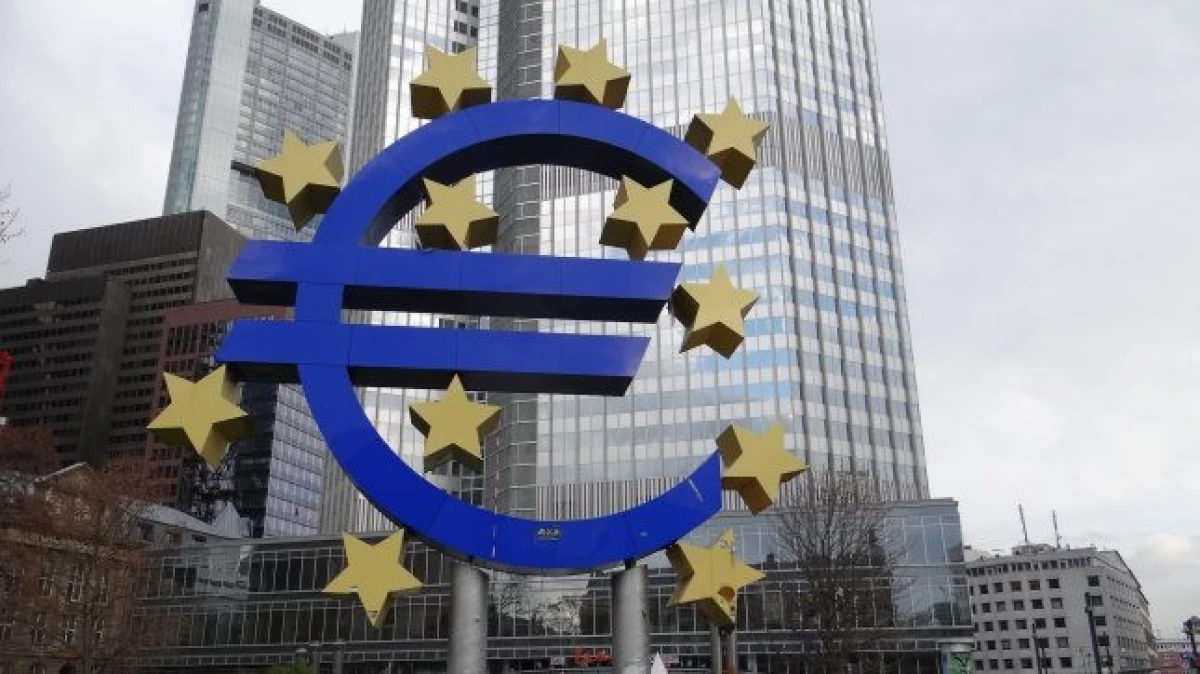
The European Central Bank unexpectedly returned to tightening monetary policy, raising key rates by 0.25 percentage points. The decision was made against the backdrop of accelerating inflation in the eurozone, driven by rising energy prices and the consequences of the conflict surrounding Iran.
Following the meeting in Frankfurt, the European Central Bank raised the base deposit rate from 2.0% to 2.25%. This is the first interest rate hike in nearly three years and the first change after seven consecutive meetings where the cost of money remained unchanged.
Additionally, the ECB raised the rate on main refinancing operations to 2.4%, and the marginal lending rate to 2.65%.
The rate hikes mean that loans for households and businesses may become more expensive. This is a traditional tool to combat inflation, as more expensive borrowing restrains consumer demand and slows price growth. At the same time, bank deposit holders can expect higher returns on their deposits.
One of the main reasons for the ECB's decision was the intensification of inflationary pressure due to the crisis in the Middle East. Military actions around Iran have led to significant disruptions in global energy trade. The situation in the Strait of Hormuz, one of the most important routes for oil and liquefied gas supplies to global markets, is particularly concerning.
In May, inflation in the eurozone reached 3.2%, significantly exceeding the ECB's target of 2%. The regulator's statement notes that the conflict in the Middle East continues to exert pressure on prices, primarily through rising energy costs.
ECB President Christine Lagarde stated that the regulator is prepared to act in conditions of heightened uncertainty.
According to her, the bank is in a good position to overcome the consequences of the crisis and will continue to make decisions based on incoming economic data. Lagarde emphasized that the ECB will closely monitor the situation and assess the need for further steps at each meeting individually.
At the same time, the regulator downgraded its economic forecast for the eurozone. GDP growth is expected to be 0.8% in 2026, down from the previously projected 0.9%. Inflation forecasts have also been raised: ECB analysts now expect consumer price growth to be around 3%, whereas the spring forecast was 2.6%.
The bank warns that economic prospects remain uncertain. The main threats are further acceleration of inflation and a more noticeable slowdown in economic growth.
By raising rates, the ECB is trying to prevent a new wave of inflation caused by the energy crisis and geopolitical instability. However, the fight against rising prices may result in slower economic growth for the eurozone and more expensive loans for businesses and households.











Leave a comment