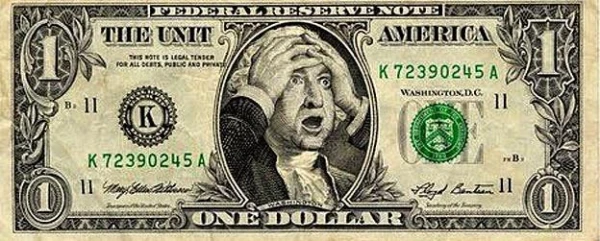
Representatives of the agricultural sector warn that the new EU mechanism for accounting carbon emissions on imports could lead to a noticeable increase in the cost of mineral fertilizers. Farmers estimate that additional expenses could exceed 100 euros per ton, which will increase pressure on an already struggling agriculture.
Latvian farmers are increasingly apprehensive about the European Union's plans to implement a carbon border adjustment mechanism (CBAM). This tool is part of the European Green Deal and involves additional payments for carbon dioxide emissions during the production of certain imported goods. Among the sectors that will be the first to be affected by the new rules are producers of mineral fertilizers.
Rolands Feldmanis, chairman of the Latvian Association of Agricultural Cooperatives, believes that the consequences for the agricultural sector could be quite significant. According to his estimates, the cost of mineral fertilizers could increase by more than 100 euros per ton.
For many farms, this means a noticeable rise in production costs at a time when the profitability of the sector is already under pressure.
Feldmanis believes that the introduction of the mechanism should be postponed. He stated that farmers support environmental goals, but the current economic situation makes additional expenses particularly painful.
It is important to note that the CBAM mechanism is not a special tax for farmers. Its purpose is to level the playing field between European producers and importers of goods from countries with less stringent environmental requirements.
However, industry representatives warn that in practice, the new costs may be passed on to end consumers of products, including agricultural producers.
According to Feldmanis, the problem extends far beyond the rising prices of fertilizers. He does not rule out that in the long term, increased costs could lead to a reduction in certain areas of agricultural production and force farms to seek new business models.
Additional pressure on the sector is also exerted by the situation in the European dairy market. As the head of the association notes, Europe is experiencing a surplus of milk, and the level of purchase prices is largely determined by European exchange trends.
Against the backdrop of high costs and relatively low product prices, many farmers are already cautiously assessing the prospects of the sector.
The CBAM mechanism is expected to become one of the key tools of the EU's climate policy in the coming years. Its supporters believe that it will help reduce global emissions and protect European producers from unfair competition. However, agricultural organizations fear that the transition period may be too painful for many enterprises. Therefore, the discussion on how to reconcile environmental goals with the competitiveness of European agriculture is likely to intensify.