
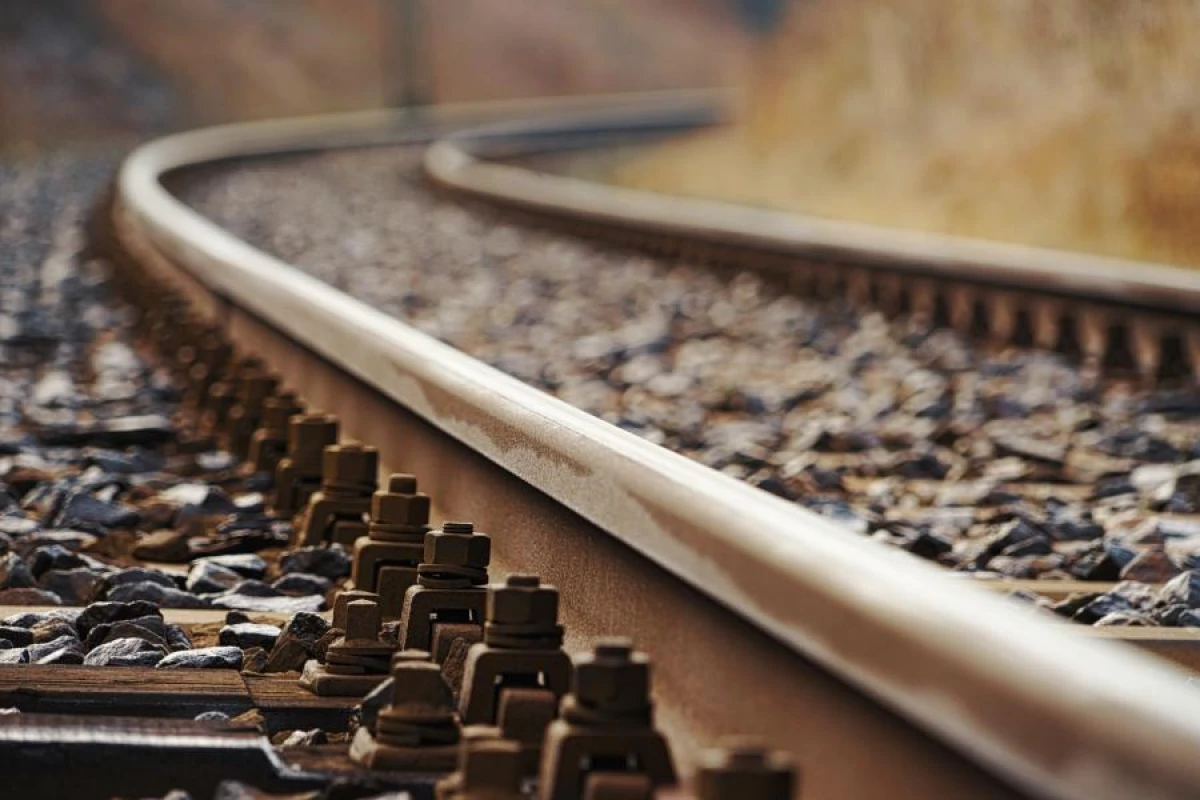
After criticism of the rail purchases for the Rail Baltica project, the joint venture of the Baltic states, RB Rail, stated that comparing this deal to ordinary purchases by Latvijas dzelzceļš is inappropriate. The company claims that this is not just a purchase of metal, but a long-term protection against shortages and price fluctuations.
RB Rail commented on the statements made during the program "Nothing Personal" regarding the claim that the rails for the Rail Baltica project are being purchased at a significantly higher price than similar products on the market.
The joint venture of the Baltic states emphasizes that a direct comparison with the purchases of Latvijas dzelzceļš (LDz) is incorrect, as it involves completely different scales and conditions.
While LDz purchases relatively small batches of rails for specific current needs, Rail Baltica enters into a framework agreement for a period of seven years in advance and for a volume of tens of thousands of tons.
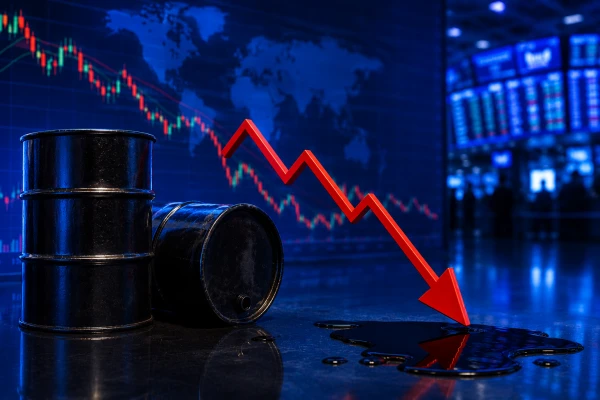
The company explains that this model is intended to ensure stable supplies and predictable prices against the backdrop of an unstable global steel market. In recent years, the cost of metal has fluctuated by more than 50%, and it is precisely from such risks, according to RB Rail, that project participants are trying to protect themselves.
This means that the project effectively "reserves" production capacities and supply conditions for many years in advance. In infrastructure megaprojects, this approach is considered standard practice.
The company also pays special attention to technical differences. For high-speed railways, longer and reinforced rails are used, designed for trains traveling at speeds of up to 249 kilometers per hour.
The longer the rails, the fewer welded joints on the track. This affects not only the level of vibration and maintenance costs but is also directly related to operational safety.
In public discussions, there is particularly active debate about the fact that Lithuania refused to participate in the joint purchase and acquired part of the rails separately — at a lower price. Estonia has not yet made a final decision, while Latvia has already signed the contract.
However, the rails themselves will not be needed until 2028, when construction reaches the next stage. Until that time, the terms of the agreement can still be discussed.
Currently, the issue of the cost of Rail Baltica is becoming increasingly sensitive for society. Initially, the entire project was estimated at about 5.8 billion euros, but now the total cost across the Baltic states could reach nearly 24 billion euros. The Latvian portion alone is already estimated at about six billion euros, taking into account indexing.
Against this backdrop, the authorities are strengthening political control over the project. RB Rail positively assessed the decision of the Saeima to expand project coordination and increase the Prime Minister's role in overseeing its implementation.
The Rail Baltica project involves the construction of a new railway line of European gauge from Tallinn through the Baltic states to Poland. The maximum speed of trains on the new highway is expected to reach 240 kilometers per hour.








Leave a comment