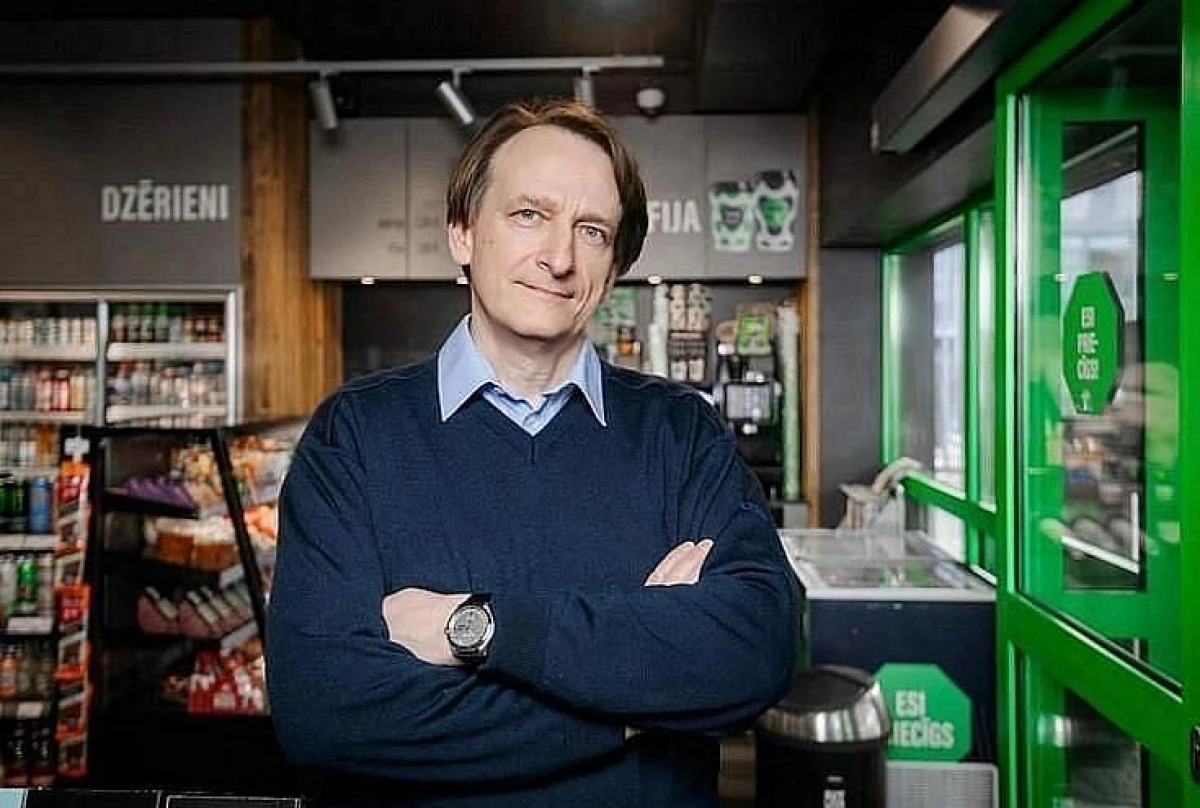
Ideas about introducing a so-called windfall tax or solidarity tax for fuel sellers are increasingly being voiced in the public space. Politically, this is presented as a tool for limiting prices and ensuring additional revenues to the state budget, believes fuel market expert Alexey Shvedov.
However, behind the loud slogans lies a much more complex reality — such a mechanism will not only be unable to stop the rise in prices on global markets, but in the long term, it may harm the very end consumers.
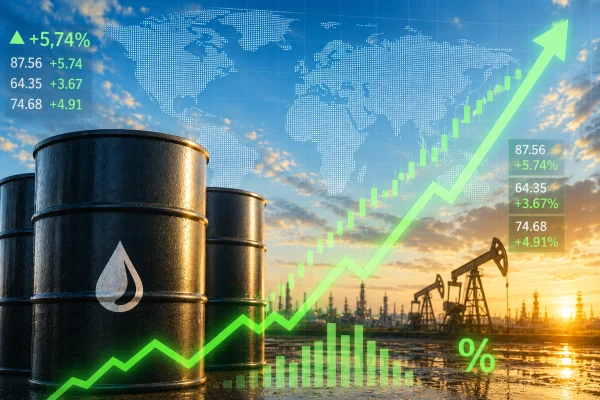
First of all, it should be acknowledged that fuel prices in Latvia are not formed in isolation. They directly depend on global oil and petroleum product markets, especially on the quotes of the physical market, that is, Platts prices. If prices on global markets rise, no local solidarity tax can stop this process.
The introduction of a new tax inevitably means additional administrative costs for companies. In a market economy, such costs are always included in the final price in the long term. In other words, consumers ultimately pay for politically popular experiments, the expert is confident.
The very term "windfall tax" is largely a tool of political communication. The word "windfall" evokes an emotional reaction from society, especially during periods of rising prices and economic pressure on the population. However, in reality, this is not about a classical fiscal tool. Rather, it is a mechanism for regulating the market and limiting profits with elements of confiscation, the practical impact of which on the economy may be much broader than it seems at first glance.
Particular concern is raised by the fact that in discussions about the solidarity payment, the mechanism of the so-called "objectively calculated price" has not yet been clearly defined. In the initial version, such a formula was completely absent from the text of the bill. This raises justified questions — how can regulation be adopted if the main element by which prices and profits will be assessed is unclear?
The formation of fuel prices is a complex process influenced not only by raw material prices but also by logistics, maintaining reserves, currency fluctuations, supply chains, and other factors. The "ceilings" on prices or profits established at the political level cannot objectively reflect such a system. As a result, there is a risk that during certain periods, fuel trading may become unprofitable.
This, in turn, would mean much more serious consequences than just rising prices. Fuel sellers would be forced to cut investments in the development of gas stations, infrastructure, and customer service quality. Opportunities to create new jobs, improve working conditions, and invest in service quality would decrease.
In the long term, a lack of investment leads to market consolidation — weaker participants leave the market, competition decreases, and as a result, prices rise even more. It is competition, not administrative restrictions, that is the main mechanism that helps keep prices at a reasonable level in the long term.
Moreover, one cannot rule out scenarios where, during certain periods, gas stations will be forced to limit or even cease fuel sales if regulation makes it economically unfeasible. Then the issue will not only be about prices but also about the physical availability of fuel for residents and businesses.
Therefore, the solidarity payment is not a solution to the fuel price problem. It is a politically loud but economically risky tool, the consequences of which will be most strongly felt in the long term by those people for whom it is supposedly proposed — the end consumers.