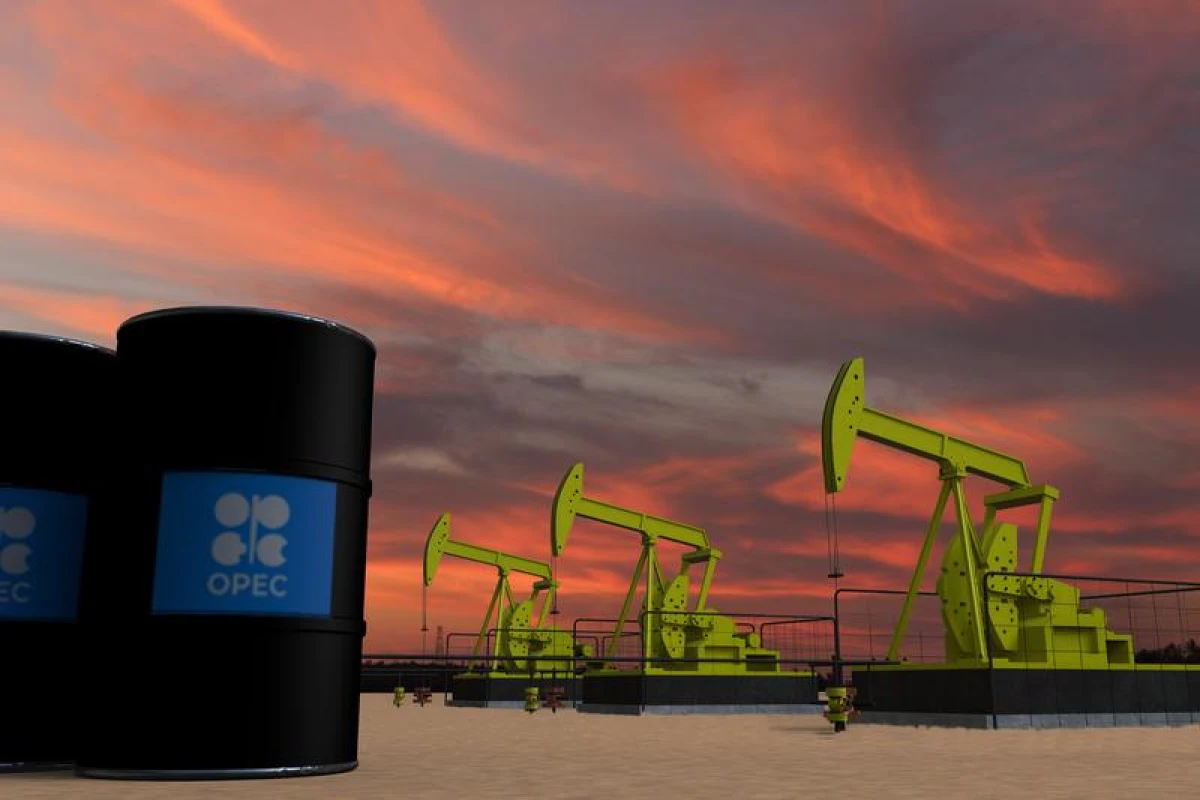
The United Arab Emirates (UAE), producing about 3-3.5 million barrels of oil per day, announced its exit from the OPEC organization and the OPEC+ agreement effective May 1, according to a statement.
"This decision was made after a comprehensive review of the UAE's production policy, as well as their current and future capacities, and is based on our national interests and our commitment to effectively facilitate the fulfillment of the market's urgent needs," the UAE stated.
"Although short-term volatility, including disruptions in the Arabian Gulf and the Strait of Hormuz, continues to affect supply dynamics, the main trends indicate a steady growth in global demand for energy resources in the medium and long term," the UAE government emphasized.
OPEC (Organization of the Petroleum Exporting Countries) is an international intergovernmental cartel established by oil-producing countries in 1960. Its main goal is to coordinate oil policies and control production quotas to stabilize oil prices, ensuring fair income for producers and regular supplies for consumers. It consists of 12 countries.
OPEC countries control over 50% of the world's oil production and more than 90% of proven oil reserves.