
The situation could seriously impact the tourism sector.
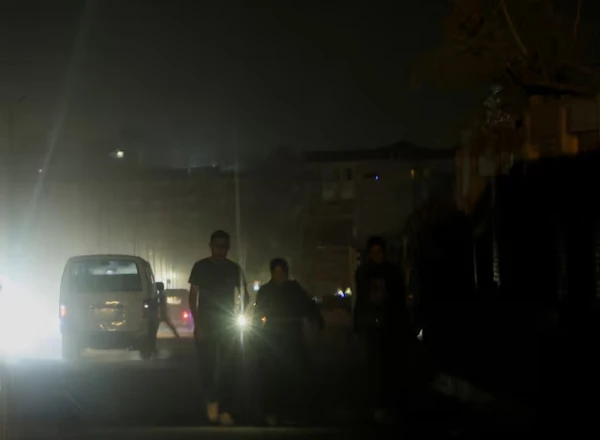
In downtown Cairo, where cafes are usually filled with visitors all night and the flow of cars does not subside until almost dawn, the streets are now noticeably emptier much earlier than usual. Right after the evening prayer, shop owners lower their shutters, and the long avenues, which were once brightly lit, are now plunged into semi-darkness due to reduced street lighting.
For the Egyptian capital, known for its nightlife, this is quite an unusual sight. By order of the authorities, establishments must now close earlier to reduce electricity consumption. The reason for this is the American-Israeli war against Iran, which has complicated access to energy resources.
Egypt's Prime Minister Mostafa Madbouly stated this month that the country's spending on energy imports has more than doubled since the start of the war. As a result, the government has been forced to raise fuel prices, increase public transport fares, and slow down work on several state projects to ease the budget burden.
The situation Egypt finds itself in is exacerbated by the fact that a significant part of social life and trade in the country takes place during the dark hours of the day.
"As soon as the last prayer of the day ends, Cairo literally transforms, the city gains a special atmosphere," says cafe owner in the prestigious Maadi district, Sayed Zaama. However, the picture is now much sadder, he notes: "Just look around – the streets now look almost the same as during the pandemic."
By nine in the evening, his cafe is already noticeably emptier, although previously visitors would linger here until the early hours. "Cairenes spend their whole lives in cafes," says Zaama. "Here, people work, meet, discuss business, and build relationships."
The war has also increased the strain on a country that already faces issues with a weak currency and high national debt. The rise in fuel prices is also fueling inflation. Currently, annual inflation in Egypt exceeds 13%, although this is significantly lower than the record level of September 2023, when it reached 38%.
Many companies are already shortening their working hours to save electricity. In Zaama's cafe, employees have been put on a rotating schedule.
"Now at least half of the workers stay home one day and come in for a shift the next day," he says.
Cinemas, wedding halls, and sports clubs are also struggling. For example, in one gym in the southern Maadi district, some clients have canceled their memberships due to the reduced hours: when the gym closes, many visitors are just finishing work.
"We have lost some clients," said sales manager Sameh Mohamed, noting, however, that the electricity bill has decreased.
Hussein Galal, who runs an accessories shop, says that revenue has sharply declined while expenses remain the same. "If previously you could earn a thousand Egyptian pounds (18.3 USD) a day, now it’s good if you make five hundred," he says.
Despite the difficult situation, the authorities are trying to act cautiously, fearing to harm tourism, one of the main sources of foreign currency for Egypt. In the 2025/26 fiscal year, tourism revenues amounted to 17.1 billion dollars. Therefore, the new restrictions have affected tourist areas to a much lesser extent.
Egypt's Ministry of Tourism reported that due to instability in the region, there is already a "relative slowdown" in bookings for the near future, although the authorities are trying to prevent a mass decline in the country's attractiveness.










Leave a comment