The primary beneficiary in this situation will be the United States.
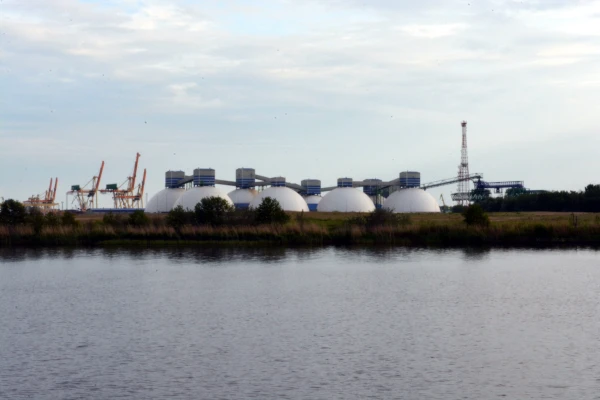
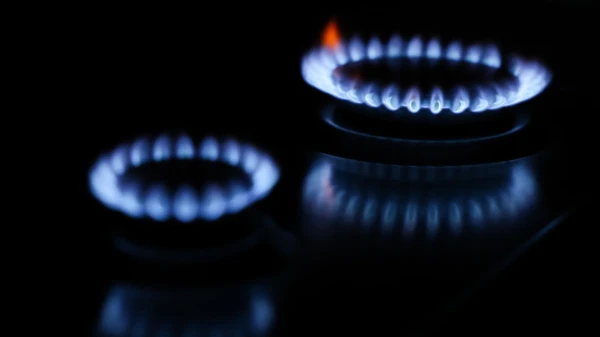
Since the start of the U.S. and Israel's operation against Iran, natural gas prices in Europe have risen by 65%. Initially, Qatar, the second-largest producer of LNG, suspended operations at its production plants. Then Iran announced a blockade of the Strait of Hormuz, through which one-fifth of the world's LNG supplies pass.
The situation is complicated by the extremely low level of gas storage in underground gas storage facilities (UGSF) in the European Union. As of March 1, 2026, according to Gas Infrastructure Europe (GIE), stocks in these facilities fell to 30% — the lowest level since the crisis year of 2022, when they were at 29%. In 2023, on this date, UGSF were filled to 60%, in 2024 to 62%, and in 2025 to 38%.
Europe consumes no more than 10% of Qatari LNG, with 80% going to Asia. If supplies from Qatar cease, competition for gas volumes may arise between markets. Asian countries, primarily Japan and South Korea, are accustomed to expensive gas and are willing to drive up prices to secure the volumes they need, paying more than what Europeans offer.
The primary beneficiary in this situation will be the United States: the price of American gas, which they will export in exchange for Qatari gas, will increase. Norway's Minister of Energy Terje Aasland has already suggested that due to disruptions in LNG supplies from Gulf countries, the issue of resuming Russian gas supplies to Europe may be raised. "Given the geopolitical situation we are witnessing now, I believe the discussion will resume," Aasland said on March 3. However, the Directorate-General for Energy of the European Commission reported that participants in the coordination group meetings on gas and oil held on the same day did not see immediate risks to the EU's energy security and concluded that Europe does not need additional energy supplies.