Inflation rates in Latvia will gradually decrease, promise local experts. On the other hand, the factors driving price growth will not disappear. What will the outcome be?
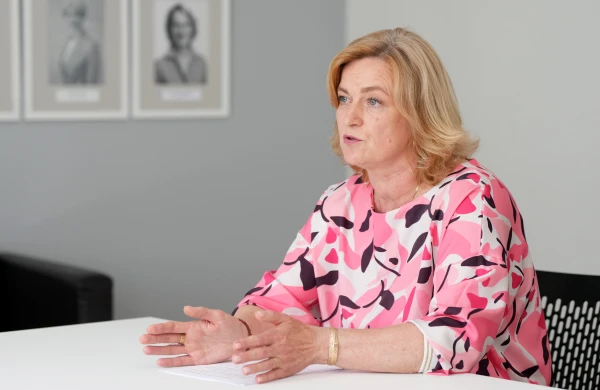
Ieva Opmane, economist at the Bank of Latvia:
– After a period of exceptionally low inflation in 2024, 2025 has prompted a more active analysis of the reasons for the acceleration of price growth. Since the beginning of last year, inflation has remained above 3%, rising to 4.3% in the autumn, and then declining again by the end of the year. In December 2025, compared to the situation a year earlier, the overall price level increased by 3.5%.
Last year, particular attention was paid to the rise in food prices, but prices for various services also increased rapidly, and in the second half of the year, energy carriers became more expensive as well.
A number of factors suggest that inflation may decrease in the coming months.
Despite the recent rise in oil prices due to concerns about supply volumes amid the unstable situation in Iran and Venezuela, the current level of oil and natural gas prices remains relatively low compared to medium-term indicators. These resources significantly affect not only energy prices (fuel, electricity, and gas for consumers) but also indirectly shape the costs included in the final prices of other goods.
During the high energy prices in 2022, the increase in transportation, storage, and production costs also led to higher prices for food, industrial goods, and services.
Although risks of rising energy carrier prices due to geopolitical tensions remain, a strong impact of these prices on the cost of other goods in 2026 is not expected.
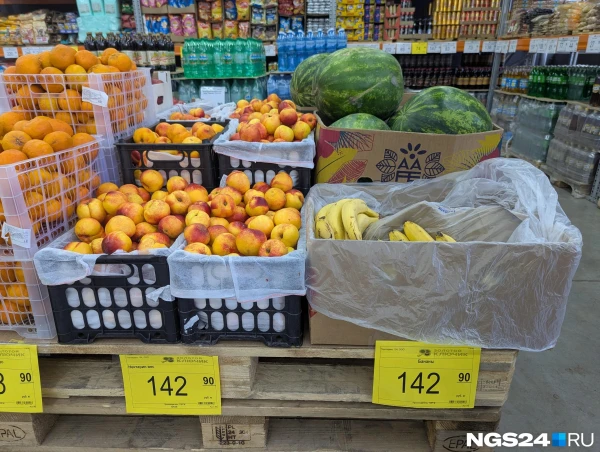
After a significant decrease in November, food prices slightly increased in December; however, overall growth was small and below the seasonally typical level. The November decrease is explained by large-scale promotions during public holidays, which continued into December, when prices for certain goods in retail chains sometimes appeared so attractive that they could even be below cost.
Globally, food prices have been gradually decreasing since the middle of last year. In Latvia, from July 2026, the VAT rate for certain products will be reduced. Thus, both external and internal factors indicate that the sharp rise in food prices in 2026 may weaken.
At the same time, the forecasts from the Bank of Latvia published in December 2025 indicate that the factors contributing to price growth will persist. The main one is the relatively rapid growth of wages. Although wage growth is uneven across sectors and professions, on average, it remained stable in 2025.
Part of this growth may temporarily be offset by a decrease in profit margins of enterprises; however, more often than not, this means passing additional costs onto end consumers. This is most vividly manifested in the accelerated growth of service prices, but the impact is also felt in other sectors, as labor is necessary for the production of any goods.
Overall, 2026 is expected to be calmer in terms of inflation. The projected price growth will be lower than in 2025 but is likely to remain slightly above 3%.
Dainis Gashpuitis, economist:
– In December, compared to November, the consumer price level decreased by 0.1%. The most significant impact on the decrease came from prices for alcohol, as well as clothing and footwear. At the same time, prices for goods and services related to transportation, as well as housing costs, increased.
Annual inflation in December was 3.5%. Its main components were housing costs and food, which together accounted for 2.32 percentage points of the overall inflation.
In January, a traditional price increase is expected due to tax and tariff revisions; however, inflation rates will gradually decrease thereafter. Trends in the energy market remain favorable, although geopolitical risks in recent days have again pushed oil and gas prices upward. This may temporarily slow the decline in inflation at the beginning of the year; however, in the medium term, the downward trend will continue.
The key reason for the sharp rise in prices last year was the increase in food prices. The FAO food price index continued to decline in December, reflecting a multi-month downturn, mainly due to lower prices for dairy products, meat, and vegetable oils.
Overall, the pressure from food prices globally is easing and should also be reflected in Latvia. At the same time, wage growth within the country will continue to contribute to a faster increase in service prices. In 2025, average inflation is projected to be around 2.4%.
Pēteris Straujiņš, economist:
– The main "drama" of price growth occurred in the first months of last year, after which the price level remained almost unchanged. Only November was unusual, when prices decreased by 0.3%. In 2026, inflation will be barely noticeable, and commodity markets will be generally calm.
The main driver of inflation will be services, as the impact of imports on prices remains limited. Rapid wage growth means that prices for services will continue to rise, albeit at a more moderate pace.
Oskars Niks Malnieks, economist:
– December ended the year relatively calmly: compared to November, prices decreased by 0.1%, and year-on-year, they increased by 3.5%. Average inflation in 2025 was 3.7%.
Discounts and promotions, especially in the alcohol segment, played a special role in December, where a record price decrease was recorded. Restrictions on alcohol trade introduced in August may have affected demand and prompted traders to lower prices.
Inflation in Latvia in 2025 exceeded the ECB's target level of 2%; however, for an economy catching up to the average European income level, inflation around 3% is acceptable. At the same time, the rise in food prices has posed a serious challenge for low-income households.
Karlis Purgailis, economist:
– The main pressure on inflation has come from rising wages and the increase in services, especially utilities. The rise in food prices may continue in the coming months, which is particularly painful for low-income populations. Overall, inflation in Latvia this year may be lower than in 2025 but will remain above the average European level. From July 1, a reduction in VAT on certain groups of food products is planned, which will temporarily lower prices; however, the impact on the overall inflation level will be limited. Despite the rise in electricity prices in January due to cold weather in Northern Europe, stabilization is expected thereafter.