
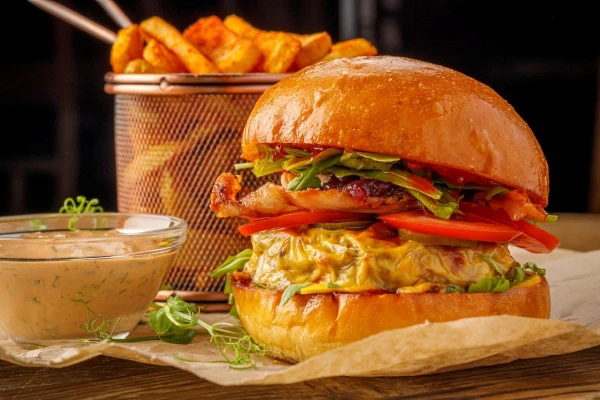
The reduction in VAT amounted to 12 percent.
Since the beginning of January, several major fast food chains have announced price reductions. The reason is the reduction of the value-added tax rate from 19% to 7% for prepared meals. And the fact is clear: fast food in Germany is gradually becoming cheaper.
McDonald’s has reduced the recommended prices for 5 popular items. Now a Happy Meal costs €4.49, and the Big Mac menu is €9.99, which is €1 cheaper than before.
KFC stated that they would pass on the tax reduction to customers "within economically reasonable limits" — this applies, for example, to Hot Wings and corn on the cob.
The Nordsee chain, specializing in seafood, is also not left out. Since January, its Backfisch-Menü (fried fish with a side) costs €8.99 instead of the previous €9.99–11.49.
Despite the loud statements from fast food chains, more "high-end" gastronomy is responding cautiously, claims br.de. According to the Bavarian Association of Hotels and Restaurants (Dehoga Bayern), only 8.5% of establishments plan to actually lower prices.
Most prefer to use the tax relief to cover increased personnel costs, investments, or stabilize their business.
This discrepancy raised the question: why are fast food chains willing to lower prices while regular restaurants are not? Experts identify 3 key reasons.
1. Marketing and Customer Trust
Price reductions bring huge marketing benefits to chains.
As economist Matthias Firgo from Munich University of Applied Sciences explains, fast food companies compete primarily on price. Their customers are well aware of how much a burger or fries costs at different brands.
Additionally, Professor Rupert Grams from the Weihenstephan-Triesdorf University adds that promotions may be a response to criticism. The organization Foodwatch previously called the tax reform a "million-dollar gift" for the fast food industry.
Now companies want to show that they are sharing the benefits with consumers, which helps build trust and improve their reputation.
2. Scale and Standardization
Large chains benefit from size and standardized processes.
Like everyone else, they have been affected by rising prices for food, energy, and labor. However, the scale of their business allows them to save on purchases and optimize production.
"The larger the chain, the more effectively it manages costs," explains Grams.
Moreover, fast food companies use data analysis for precise price adjustments. If popular items like burgers become cheaper, this is compensated by raising the prices of other dishes.
3. Price Depends on the Specific Franchise
One should not forget about the franchising system.
Most McDonald’s, KFC, and Burger King establishments are owned by independent operators. The head office only sets recommended prices, while the final cost is determined by the franchisees themselves.










Leave a comment