
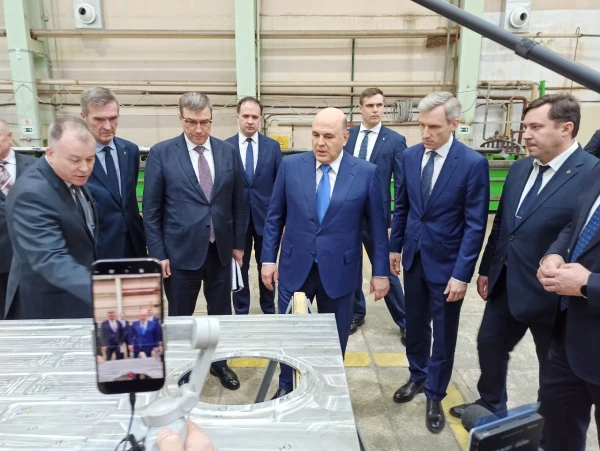
A stagnating economy promises problems for banks: many companies will find it difficult to pay interest payments.
The growth of the Russian economy in November 2025 has practically come to a halt, reported the Ministry of Economic Development. By the end of the month, Russia's GDP increased by only 0.1% year-on-year, marking the worst result since the beginning of 2023. The military boom, which Rosstat reported on for two years, has left no trace: last year the economy grew by 4.3%, in the first quarter of the current year by 1.4%, in the second by 1.1%, and in the third by 0.6%. The accumulated result for 11 months shows that GDP grew by 1% — half of what the government had forecast at the beginning of the year.
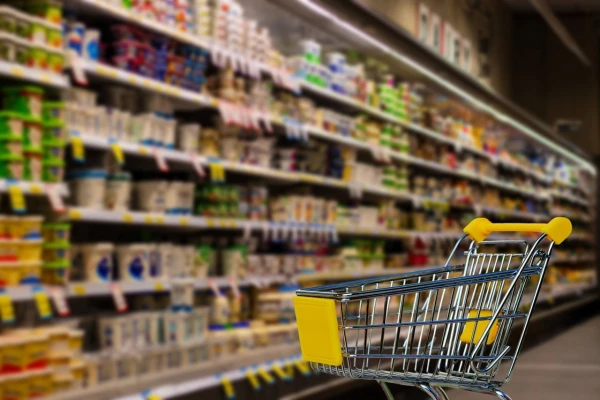
"The growth model based solely on military spending is broken," states Janis Kluge, an expert at the German Institute for International Security Affairs. According to the Ministry of Economic Development, for the first time in nearly three years, Russian industry has slipped into negative territory (-0.7% in November), hit by high interest rates and increased sanctions. The growth of retail trade turnover has slowed more than twice — to 3.3% from 7.7% last year, after consumers massively shifted to saving mode, cutting expenses on clothing and electronics, and for the first time in a long time reduced food purchases in physical terms (kilograms, liters, etc.). The growth of construction has stalled (+0.1% in November), while the decline in wholesale trade accelerated more than twice — to 5.6% in November from 2.5% in October.
In the early years of the war, the Russian economy was supported by high raw material prices and a boom in consumer spending after the authorities began distributing money to contractors and volunteers in poor regions. "But all these factors have disappeared, and now Russia is in the worst position since the start of the war," notes Kluge.
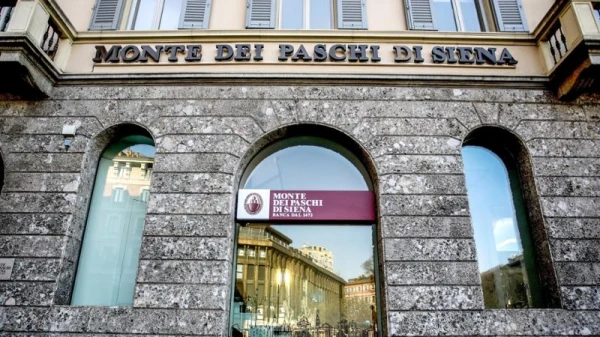
A stagnating economy promises problems for banks: many companies will find it difficult to pay interest payments, which makes the rise of bad debts likely, points out Sergey Guriev, dean of the London Business School. "We are in a situation where there is no growth. And it is unclear how companies will repay their loans," he told Bloomberg.
The best years of economic growth in Russia — 2000-2008 — were a period of constantly rising oil prices. When this growth stopped, "the engine of the Russian economy stalled," recalls Elina Ribakova, an economist at the Peterson Institute in Washington. The Kremlin hopes for the return of foreign investors who left the country after the start of the war and sanctions. But this is unlikely to happen, Ribakova doubts: "As an investor, you are going into a medium-sized European economy that is slowing down and depends on military spending. Why?"






Leave a comment