
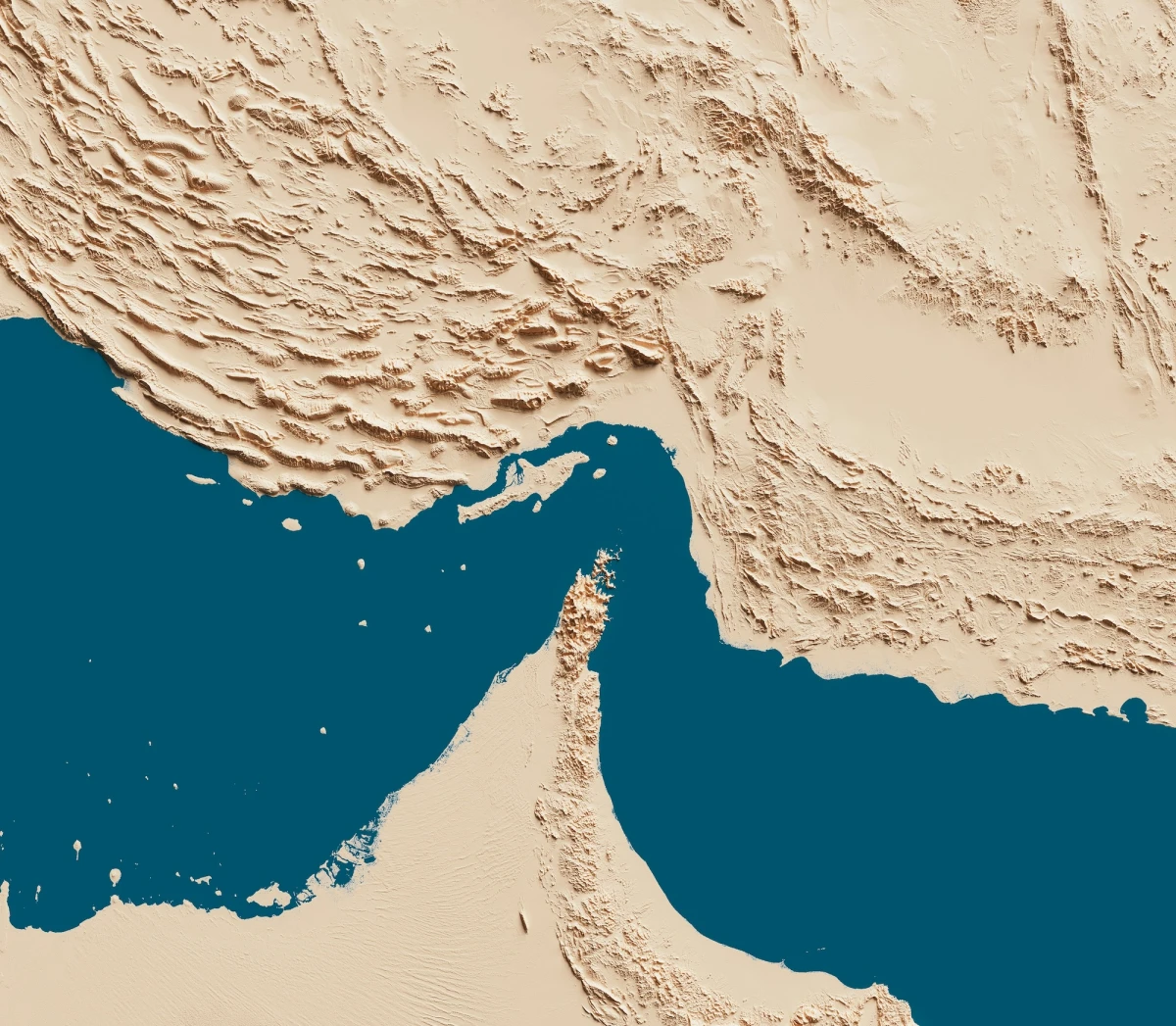
Iran intends to start charging ships for passage through the Strait of Hormuz after the completion of a 60-day transitional period stipulated by the agreement to end the war in the Middle East. Tehran emphasizes that the situation in the strategically important strait will no longer return to its pre-war state.
After concluding an agreement to end the war in the Middle East, Iran announced its intention to change the rules for using the Strait of Hormuz — one of the most important maritime routes for global trade.
According to Mohammad Bagher Ghalibaf, head of the Iranian negotiating delegation and speaker of parliament, Tehran will begin charging ships passing through the strait after a 60-day grace period.
"The Strait of Hormuz will not return to the conditions that existed before the war," Ghalibaf stated in an interview with state television.
He emphasized that Iran considers itself entitled to establish new rules for using this strategic route.
"Iran has the right to sovereignty over the Strait of Hormuz, and we will, of course, charge for the services provided," he added.
The statement came amid preparations for the official signing of an agreement between the U.S. and Iran, which is expected to end the military conflict in the region.
According to previously published terms of the memorandum of understanding, a transitional period will be maintained for the first 60 days after the signing of the document. During this time, the parties must ensure the restoration of safe navigation and prepare final mechanisms for implementing the agreements.
The Strait of Hormuz is of particular importance to the global economy. A significant portion of global oil and liquefied natural gas supplies passes through it. Any changes in navigation conditions in this area are traditionally closely monitored by energy markets and international carriers.
For shipping companies, the question of the size of future fees and the mechanism for their collection will be crucial. So far, these details have not been officially disclosed.
The agreement to end the war was initially signed in electronic format by U.S. President Donald Trump, Vice President James David Vance, and Iranian parliament speaker Mohammad Bagher Ghalibaf. Later, according to the parties, the document was also signed by the presidents of the U.S. and Iran in a remote format.
The official signing ceremony is scheduled for Friday at the Swiss resort of Bürgenstock.
If the announced plans are implemented, this will be one of the first practical consequences of the new agreement and may affect the cost of maritime transport through one of the key transport corridors in the world.












Leave a comment