
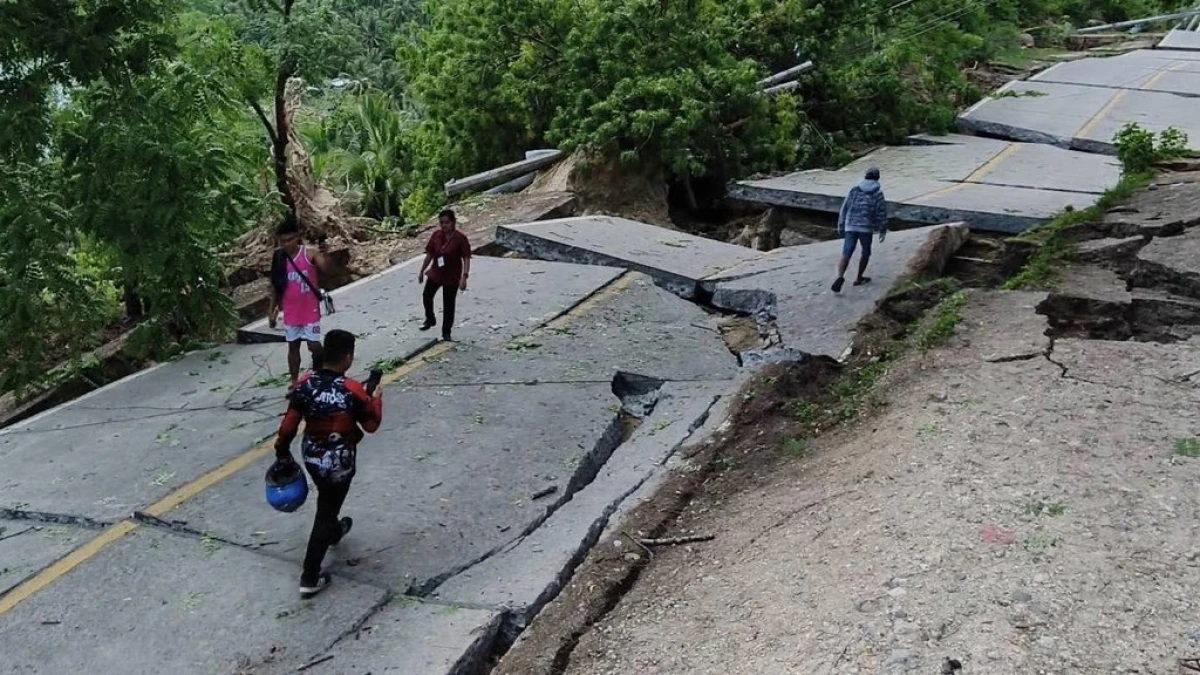
The death toll from the strongest earthquake in the last half-century in the Philippines has reached at least 37 people. The natural disaster, with a magnitude of 7.8, has caused widespread destruction, dozens of injuries, and forced more than 20,000 residents to leave their homes.
The number of victims of the powerful earthquake that struck the Philippines continues to rise. According to the latest reports, at least 37 people have died, reports NOS.
According to the Associated Press, the earthquake, with a magnitude of 7.8, is the strongest in the country in the last 50 years.
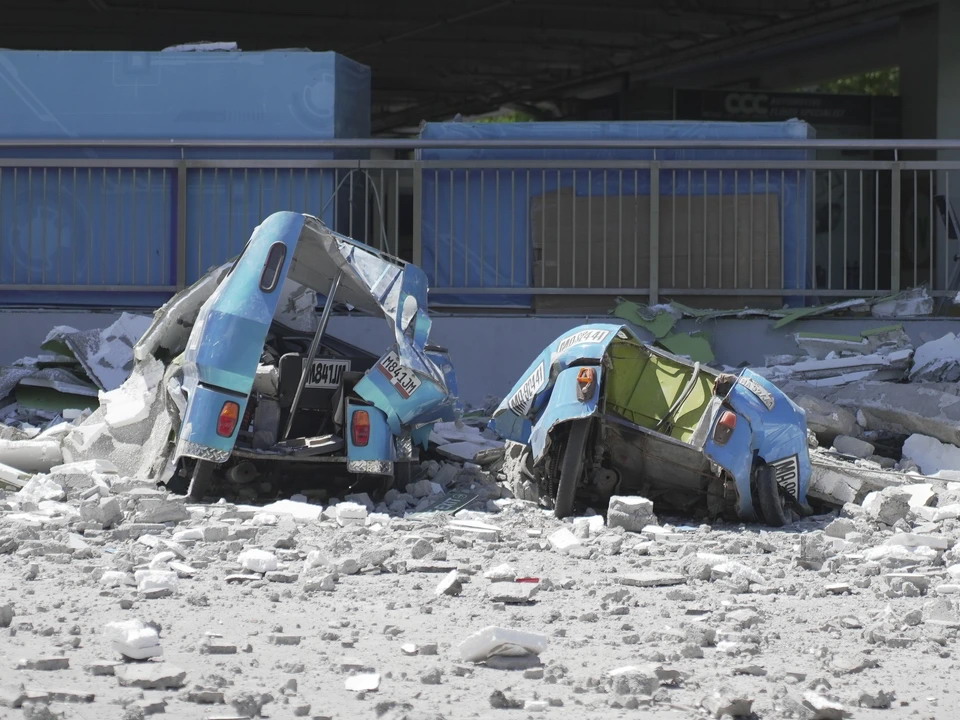
Photo: Facebook / Vice Mayor James Yap Jr.
According to local authorities, 479 people were injured. Four others are reported missing.
More than 20,000 people were forced to leave their homes
After the initial tremors, authorities warned the population about a possible tsunami threat. Fearing high waves, thousands of residents in coastal areas hurriedly evacuated.
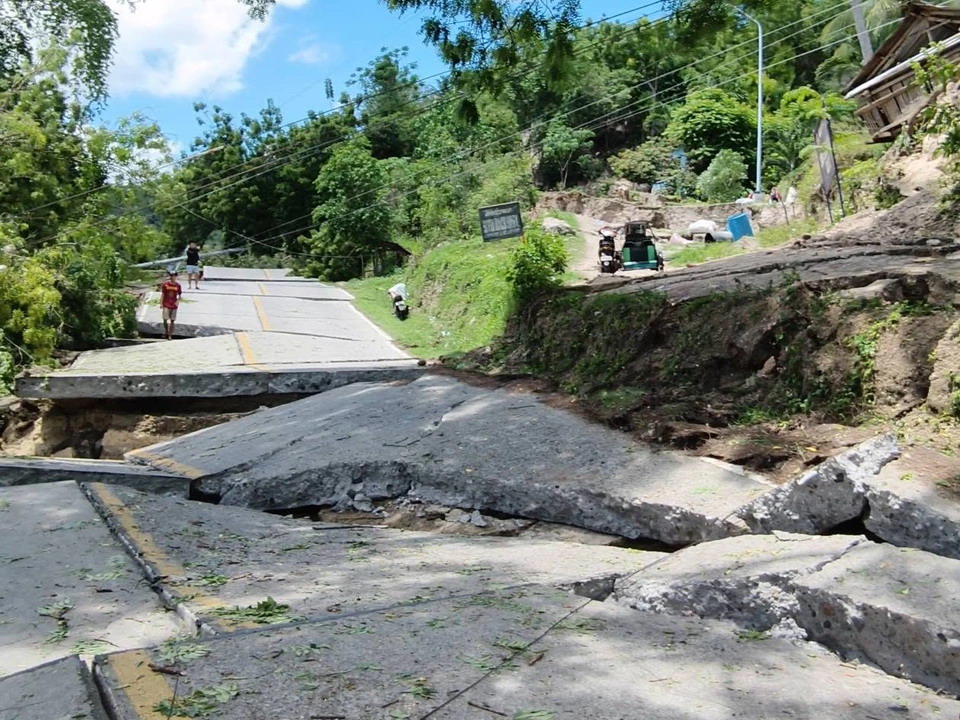
Photo: Facebook / Vice Mayor James Yap Jr.
Although there were indeed waves observed above the normal tide level on the coast, they did not cause serious destruction.
Nevertheless, more than 20,000 people were forced to leave their homes and temporarily relocate to safe areas.
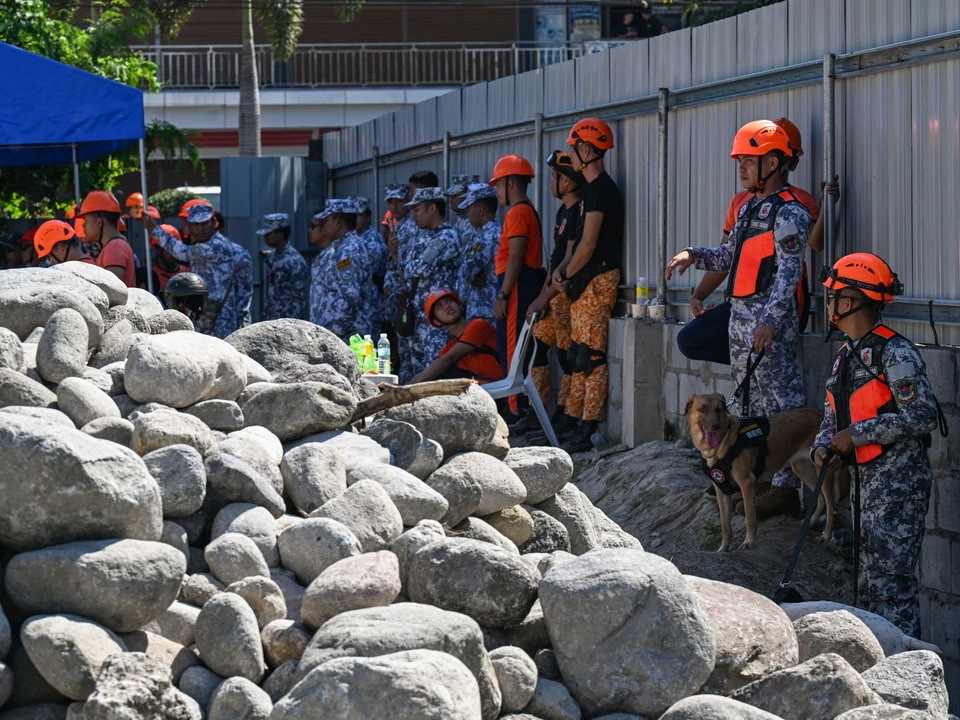
Photo: Facebook / Vice Mayor James Yap Jr.
Homes, schools, and roads destroyed
The epicenter of the earthquake was off the southern coast of the archipelago. The most significant damage was recorded on the island of Mindanao.
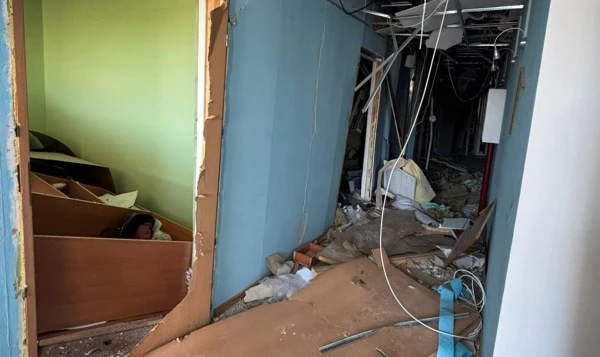
The city of General Santos, with a population of about 700,000, was particularly hard hit. Government buildings, schools, and infrastructure facilities were damaged here.
According to the Philippine newspaper Philstar, at least 1,500 residential houses were completely destroyed.
In addition, hundreds of thousands of residents remain without electricity.
Landslide claimed lives
Severe damage was also reported in other regions of the country.
In Sarangani province, several people died as a result of a landslide that struck a mountain village and buried residential houses.
Many roads in the affected areas are destroyed or blocked, complicating the work of rescue services and the delivery of humanitarian aid.
Threat of new collapses remains
Authorities warn that many buildings damaged by the earthquake remain dangerous and could collapse at any moment.
Temporary camps and tent cities are being organized for residents who cannot return to their homes.
Rescuers continue to inspect the destroyed buildings and search for possible victims under the rubble.
The powerful earthquake in the Philippines has become one of the most devastating natural disasters in recent years for the country. The death toll may rise as rescue operations continue, and tens of thousands of people still face the aftermath of the disaster and the need to restore the destroyed infrastructure.











Leave a comment